Westringia longifolia
Coast Rosemary
Light
Full sun to part shade
Origin
Eastern Australia
Watering
Regular watering
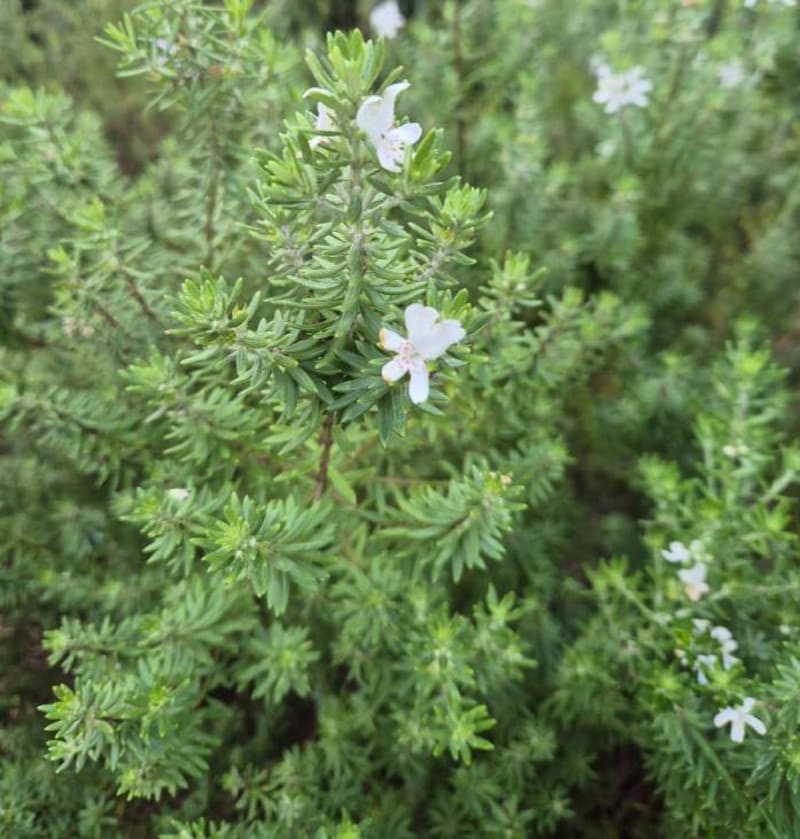
A reliable, bushy evergreen that earns its place in any garden. Its grey-green foliage and delicate lilac blooms appear throughout the year, providing subtle colour and structure with very little effort. We love it for its natural, unfussy shape. Equally at home in a border or potted on a terrace.
Westringia longifolia, the long-leaved coastal rosemary, is an Australian native shrub with narrow grey-green needle-like leaves resembling true rosemary and small four-petalled white or pale blue flowers from late winter through summer — typically February to August in the Mediterranean, with the heaviest flush in March–May. The flowers attract bees and small native pollinators (in Australian conditions; honeybees in the Mediterranean). The whole plant is unscented. Hardy to -5°C, exceptionally drought-tolerant, salt-tolerant — it grows naturally on exposed Australian coastal cliffs — and tolerant of poor sandy soils and reflected heat, Westringia has become one of the best coastal hedging plants throughout Mediterranean cities.
Westringia reaches 1.5–2 m tall and as wide as a free-standing shrub but is most commonly clipped into formal hedges 60 cm–1.5 m tall, or shaped into geometric balls and cubes for contemporary Mediterranean architecture. Use as a coastal screening hedge where Pittosporum and Photinia struggle, as a low informal flowering hedge along driveways, as architectural balls in formal compositions, and in large clipped terracotta pots. The grey-green palette combines beautifully with the silver of Lavandula, Stachys byzantina and Helichrysum italicum; with the magenta of Cistus and Bougainvillea; and with the warm yellow of Bulbine frutescens. Excellent in modern minimalist gardens where its clean form reads against pale stone.
Our Mediterranean projects
All Projects →
Garden Redesign
Rose Garden Reconstruction for a Monastery-Style Hotel, Peloponnese
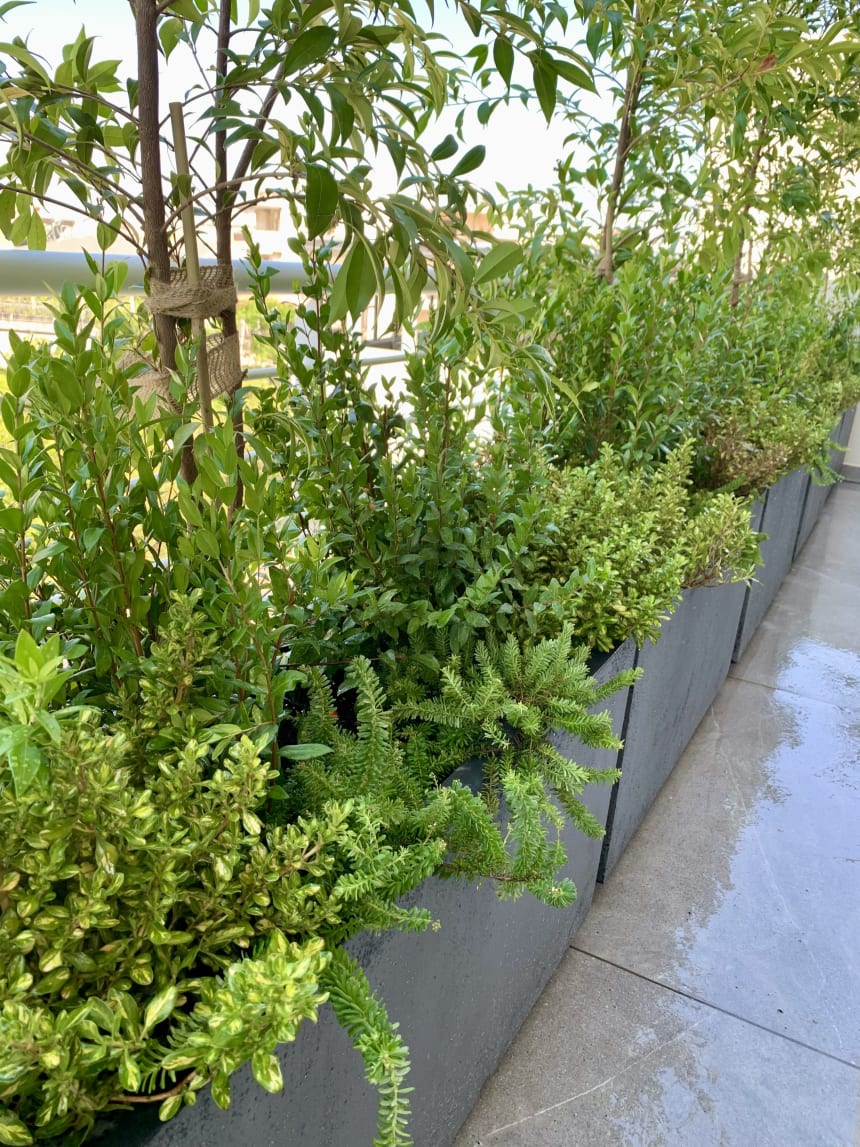
Container Gardens
Office Garden. Glyfada, Athens

The Ideal Garden
Part of a Four-Level Planting Design Project for a Townhouse in Kifisia
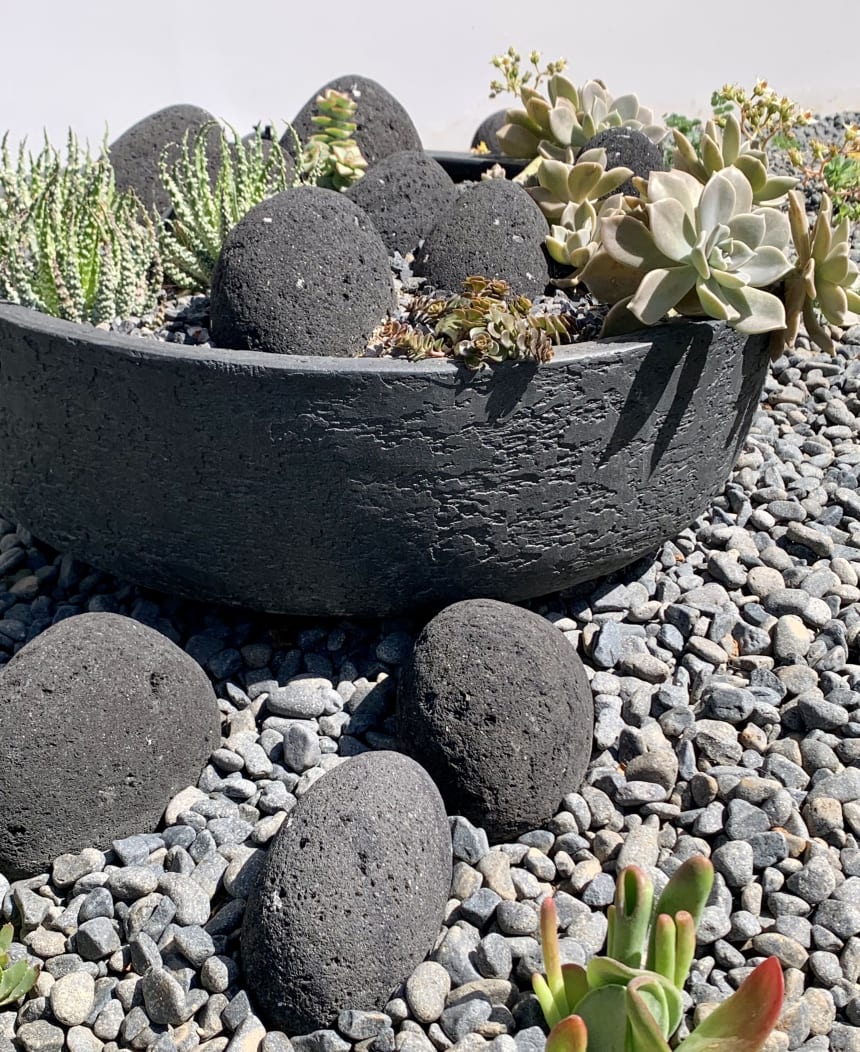
The Ideal Garden
Part of the "Family Garden in Glyfada" Project. The Stone Garden

Garden Redesign
A Small Garden Without Borders in Marousi, 1.5 Years Later
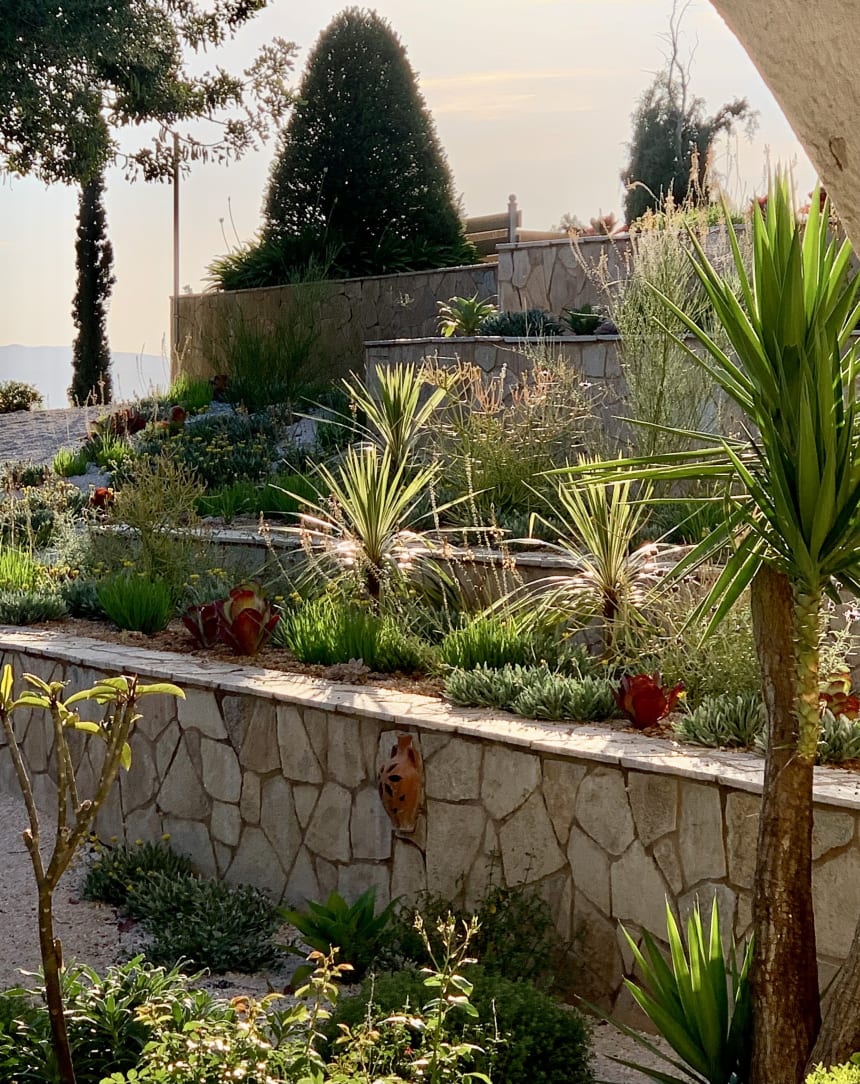
Garden Redesign
A Garden in an Olive Grove. Kalamata

Garden Redesign
Family garden in Glyfada. Project realization.
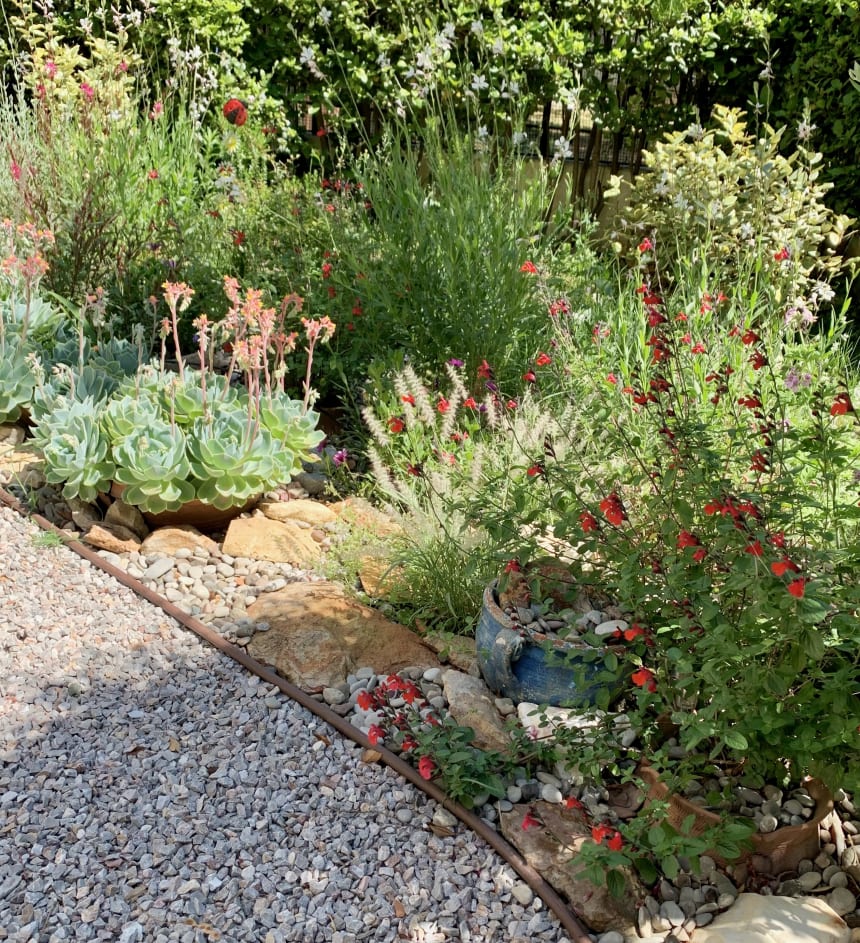
Garden Redesign
A Small Garden Without Borders in Marousi

Container Gardens
Part of a Four-Level Planting Design Project for a Townhouse, Kifisia

Container Gardens
Balcony in Kallithea
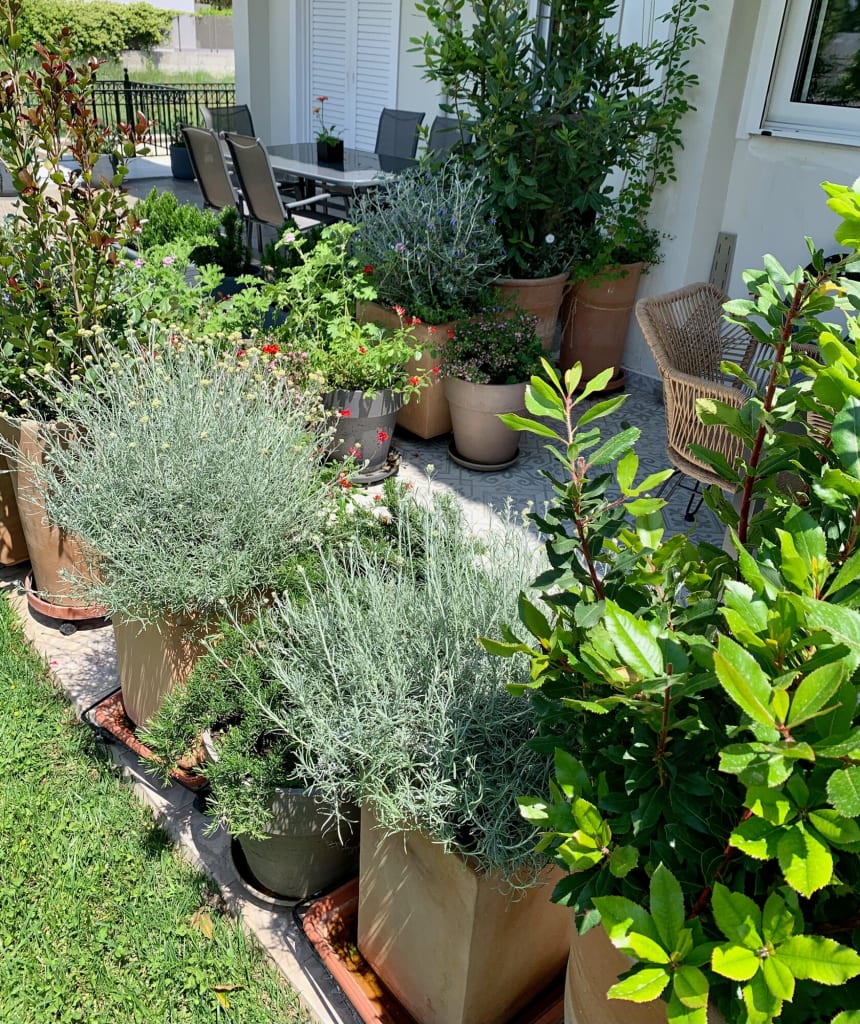
Container Gardens
Container Garden for a Townhouse in Kifisia

Container Gardens
Container Relaxation Garden in Nea Erythraia

Container Gardens
Container Landscaping of a Shaded Terrace for a Hotel in Alimos

Container Gardens
Container Landscaping for an Outdoor Restaurant Terrace on the Waterfront in Aigio
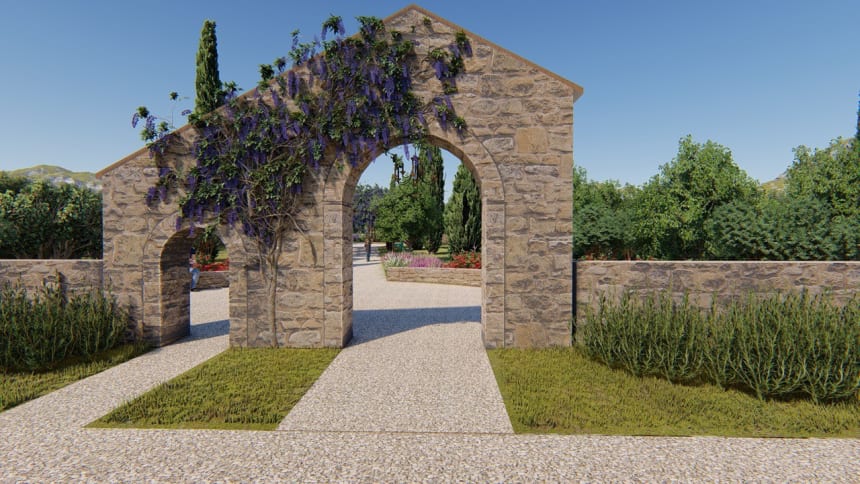
The Ideal Garden
Eco-Park in the Citrus Grove of a Peloponnese Hotel
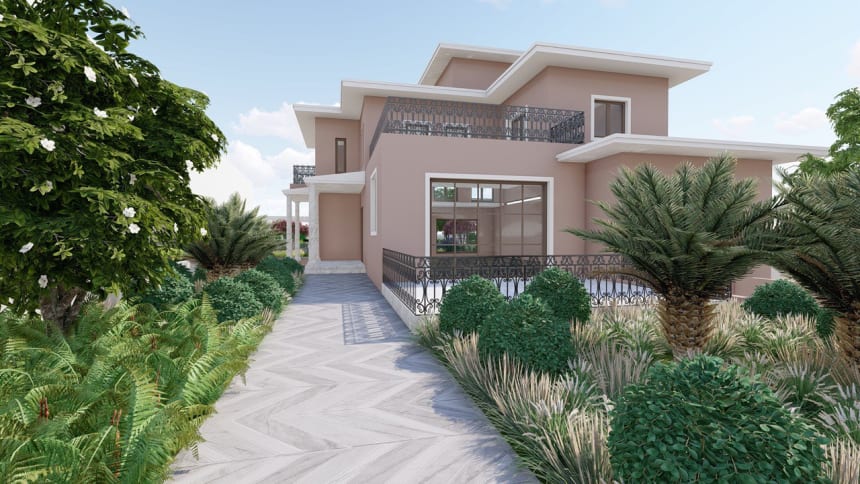
Garden Redesign
Family Garden in Glyfada

The Ideal Garden
Planting Design for a Private Boutique Hotel

Container Gardens


