Schinus terebinthifolia
Brazilian Pepper Tree
Light
Full sun to part shade
Origin
Brazil, Argentina and Paraguay
Watering
Drought tolerant
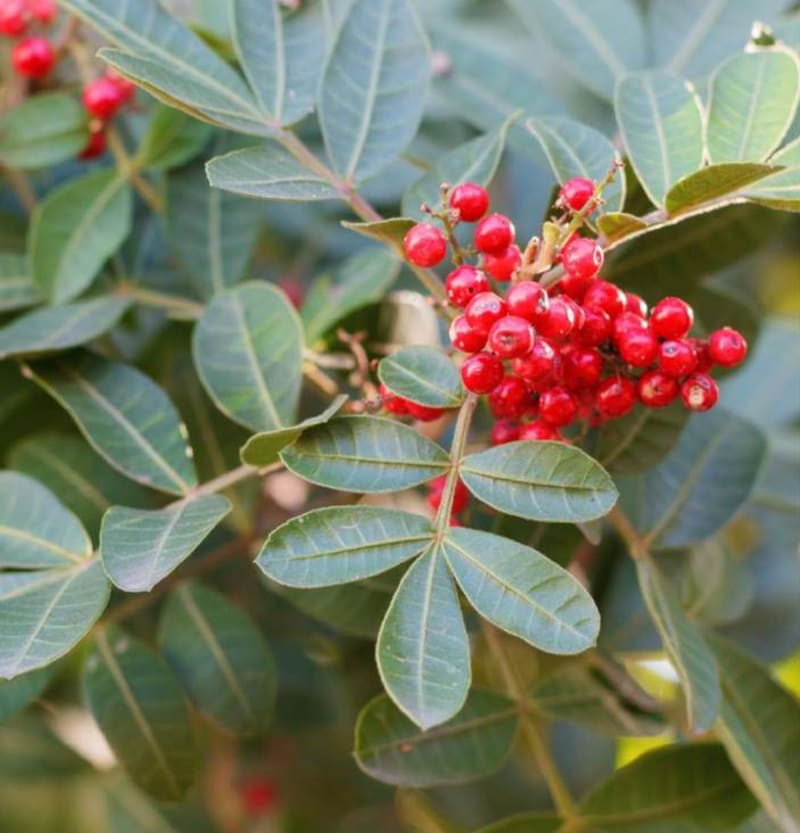
Smaller than its Peruvian cousin, this tree has a dense, rounded form and glossy green leaves. In summer it produces clusters of small white flowers followed by bright pink to red berries that resemble peppercorns
Schinus terebinthifolia is a denser, more upright tree than its cousin S. molle, with dark glossy compound leaves and clusters of small white flowers in early summer — typically May to June in the Mediterranean — followed by bright clusters of pink-red berries from autumn through winter. The dense rounded canopy provides reliable year-round shade and screening. Hardy to -5°C, drought-tolerant once established, salt-tolerant and undemanding, the tree is widely used as a shade tree and screening plant in coastal Mediterranean gardens. Note: it is considered seriously invasive in some warm-climate regions (notably Florida) and should be planted with awareness of regional regulations.
Brazilian pepper tree reaches 6–10 m tall and as wide, with a denser more contained form than S. molle. Use as a medium-sized shade tree in private gardens, as a screening row along property boundaries, as a windbreak in coastal sites, or as a clipped specimen in larger formal compositions. The bright winter berries provide rare seasonal colour from October through February, contrasting beautifully against the dark glossy foliage and the silver-grey of Olea europaea and Lavandula. Plant beside terraces and seating areas to enjoy the winter berries from indoors. Female trees (only) produce the showy berries — male trees offer dense shade but no fruit display.
Our Mediterranean projects
All Projects →
Garden Redesign
Rose Garden Reconstruction for a Monastery-Style Hotel, Peloponnese
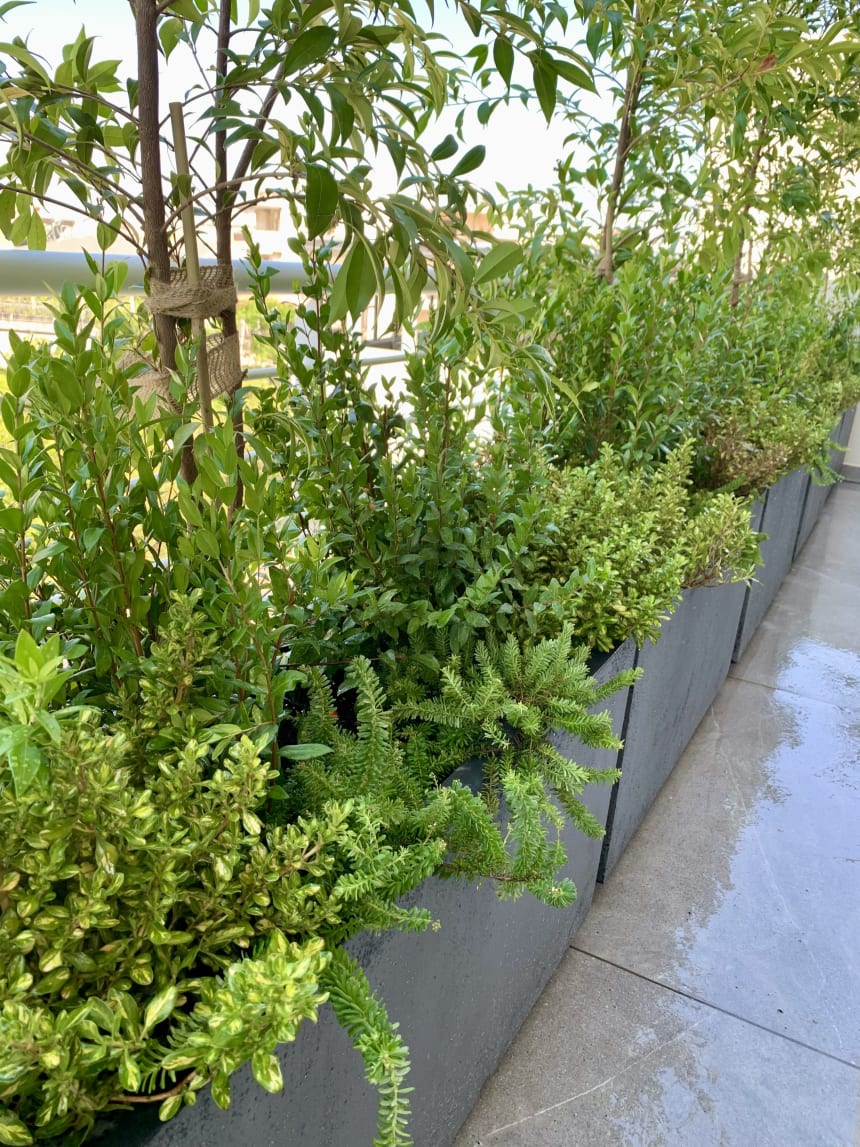
Container Gardens
Office Garden. Glyfada, Athens

The Ideal Garden
Part of a Four-Level Planting Design Project for a Townhouse in Kifisia
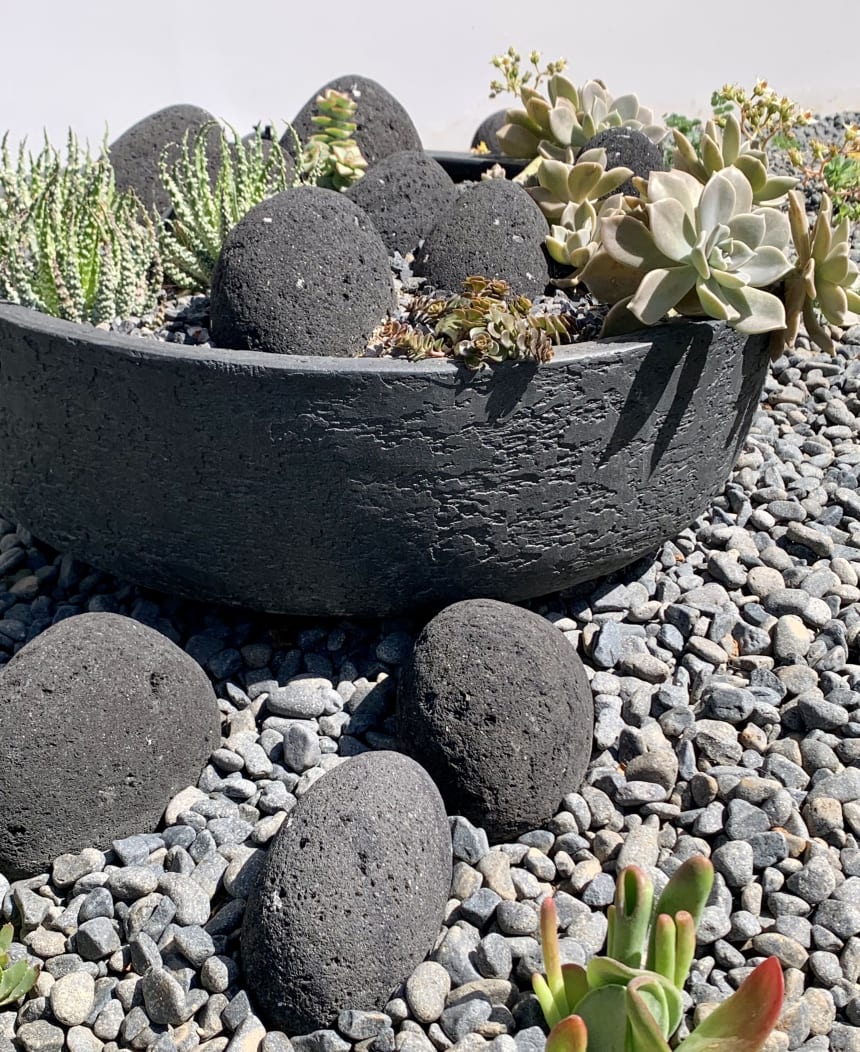
The Ideal Garden
Part of the "Family Garden in Glyfada" Project. The Stone Garden

Garden Redesign
A Small Garden Without Borders in Marousi, 1.5 Years Later
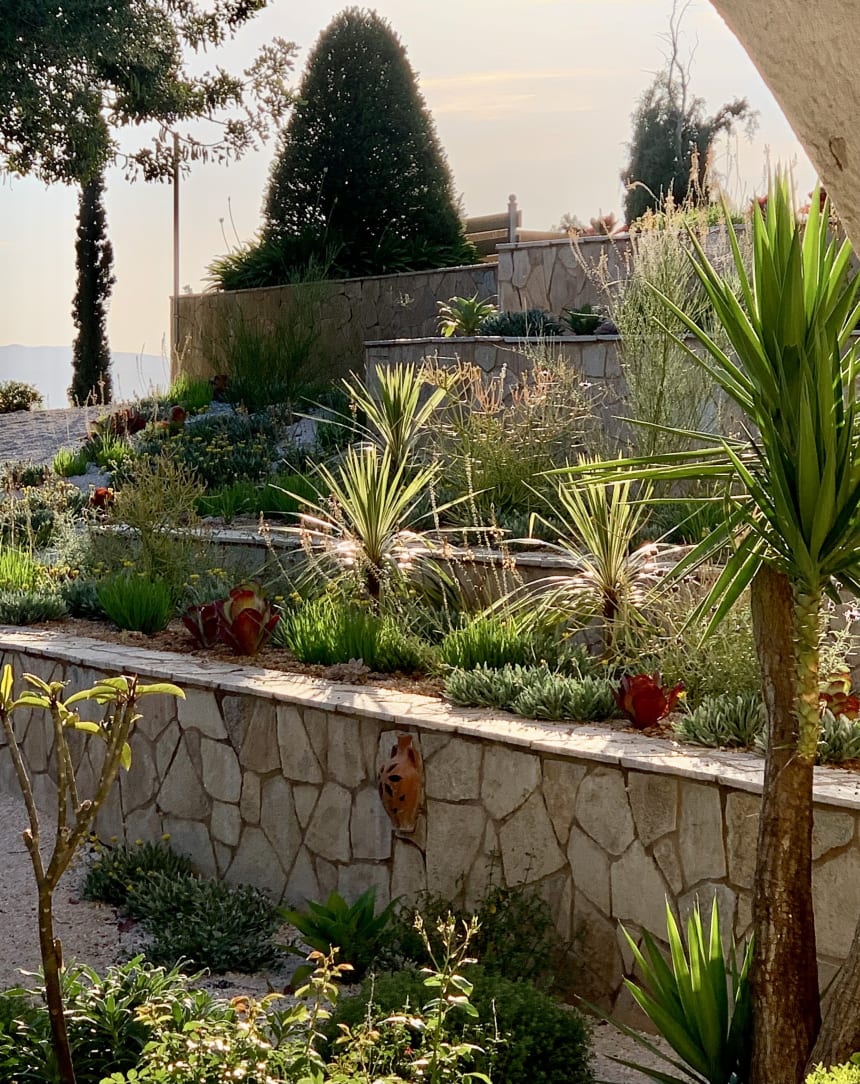
Garden Redesign
A Garden in an Olive Grove. Kalamata

Garden Redesign
Family garden in Glyfada. Project realization.
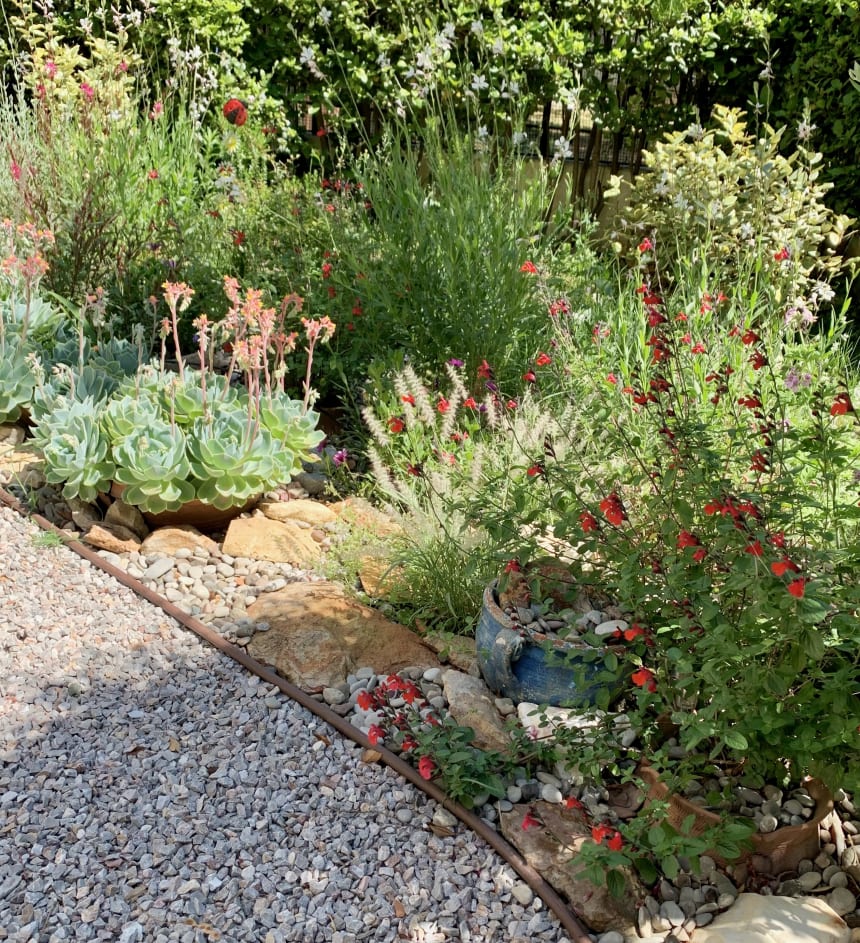
Garden Redesign
A Small Garden Without Borders in Marousi

Container Gardens
Part of a Four-Level Planting Design Project for a Townhouse, Kifisia

Container Gardens
Balcony in Kallithea
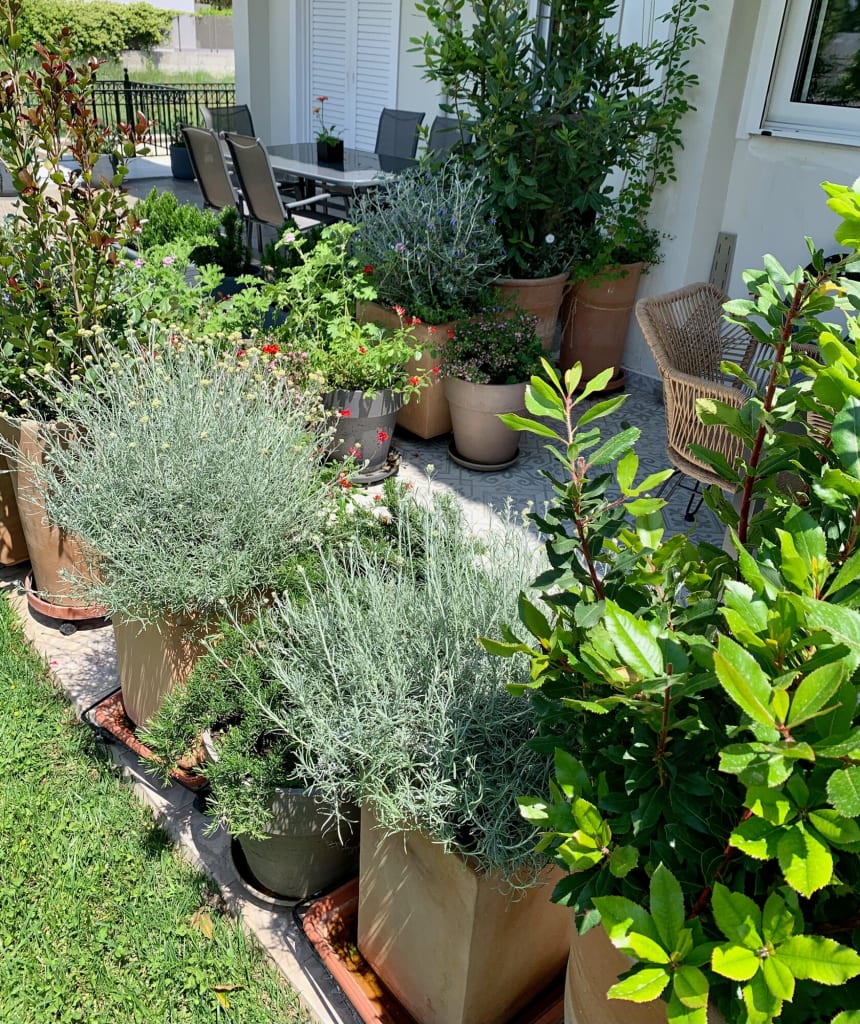
Container Gardens
Container Garden for a Townhouse in Kifisia

Container Gardens
Container Relaxation Garden in Nea Erythraia

Container Gardens
Container Landscaping of a Shaded Terrace for a Hotel in Alimos

Container Gardens
Container Landscaping for an Outdoor Restaurant Terrace on the Waterfront in Aigio
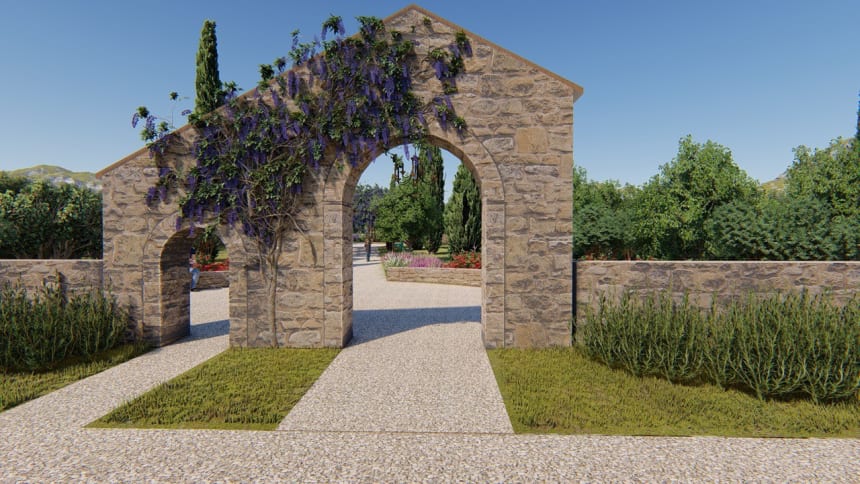
The Ideal Garden
Eco-Park in the Citrus Grove of a Peloponnese Hotel
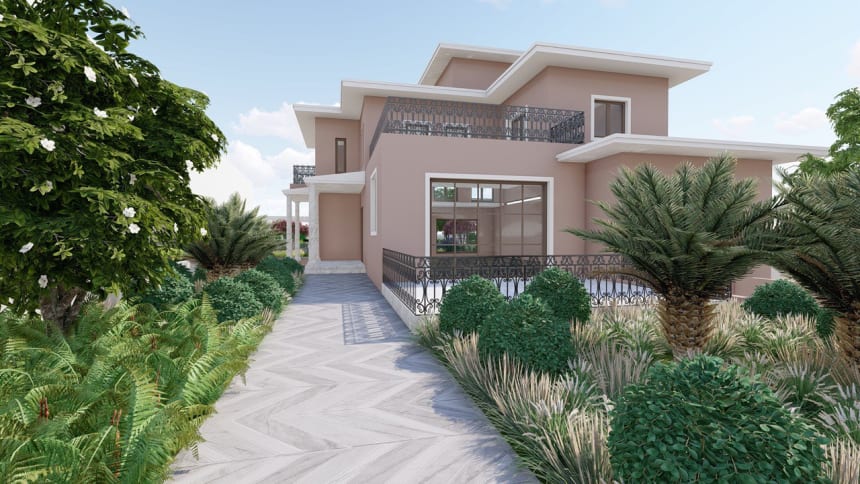
Garden Redesign
Family Garden in Glyfada

The Ideal Garden
Planting Design for a Private Boutique Hotel

Container Gardens


