Prunus armeniaca
Apricot Tree
Light
Full sun
Origin
Central Asia and China
Watering
Regular watering
A prolific bloomer producing clusters of pure-white, semi-double flowers that are lightly fragrant. Its standout, abundant white flowers complement the palette of our gardens from late spring through to autumn.
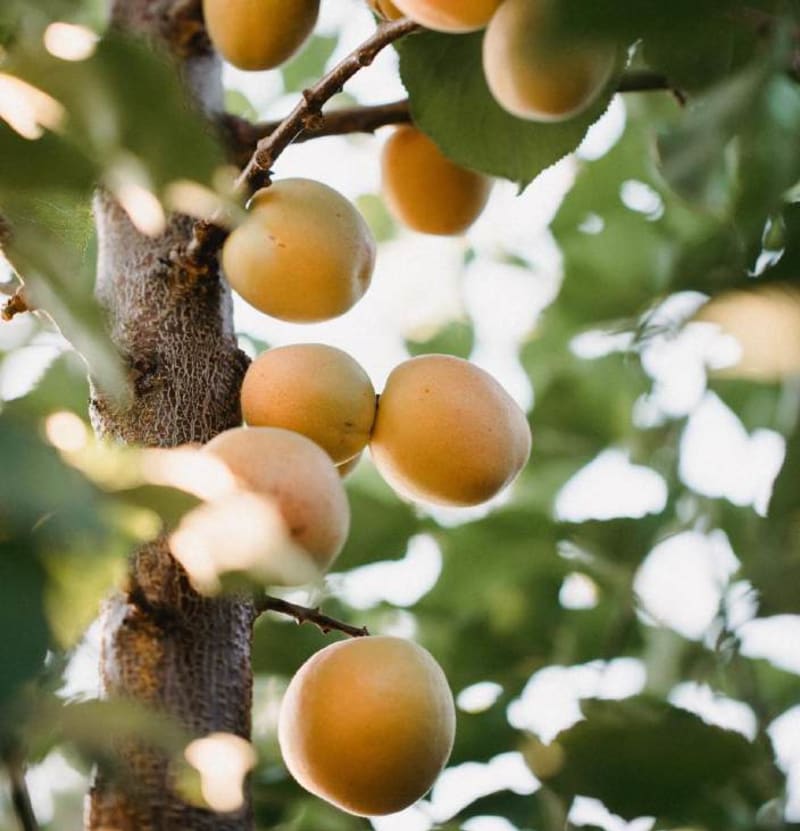
The apricot is a deciduous fruit tree perfectly adapted to the Mediterranean climate, requiring cool winter rest and hot dry summers to fruit well. White-pink five-petalled flowers cover the bare branches in late winter through early spring — February to March in coastal Mediterranean, March to April inland. The flowers are highly susceptible to spring frost damage. The orange-fleshed sweet fruits ripen in June–July, before most other stone fruits. The serrated heart-shaped leaves turn yellow in autumn before dropping. Hardy to -25°C in the trunk and roots but flowers damaged below -2°C, the tree tolerates drought once established, alkaline soils and Mediterranean heat; it resents wet heavy soils.
Apricot reaches 4–8 m tall and as wide with a rounded spreading canopy ideal for casting dappled summer shade over a terrace or seating area. Plant a single specimen as a productive ornamental tree in a small Mediterranean garden — the late-winter blossom is a season-marking display in addition to the summer fruit. Trained as a fan-trained espalier against a south- or west-facing wall, the tree both ripens fruit better and avoids spring frost damage from cold air pooling at ground level. Pair with the silver-grey of Olea europaea, the dark verticals of Cupressus sempervirens and the spring-blooming Iris germanica and Lavandula stoechas. Underplant with shallow-rooted spring bulbs.
Our Mediterranean projects
All Projects →
Garden Redesign
Rose Garden Reconstruction for a Monastery-Style Hotel, Peloponnese
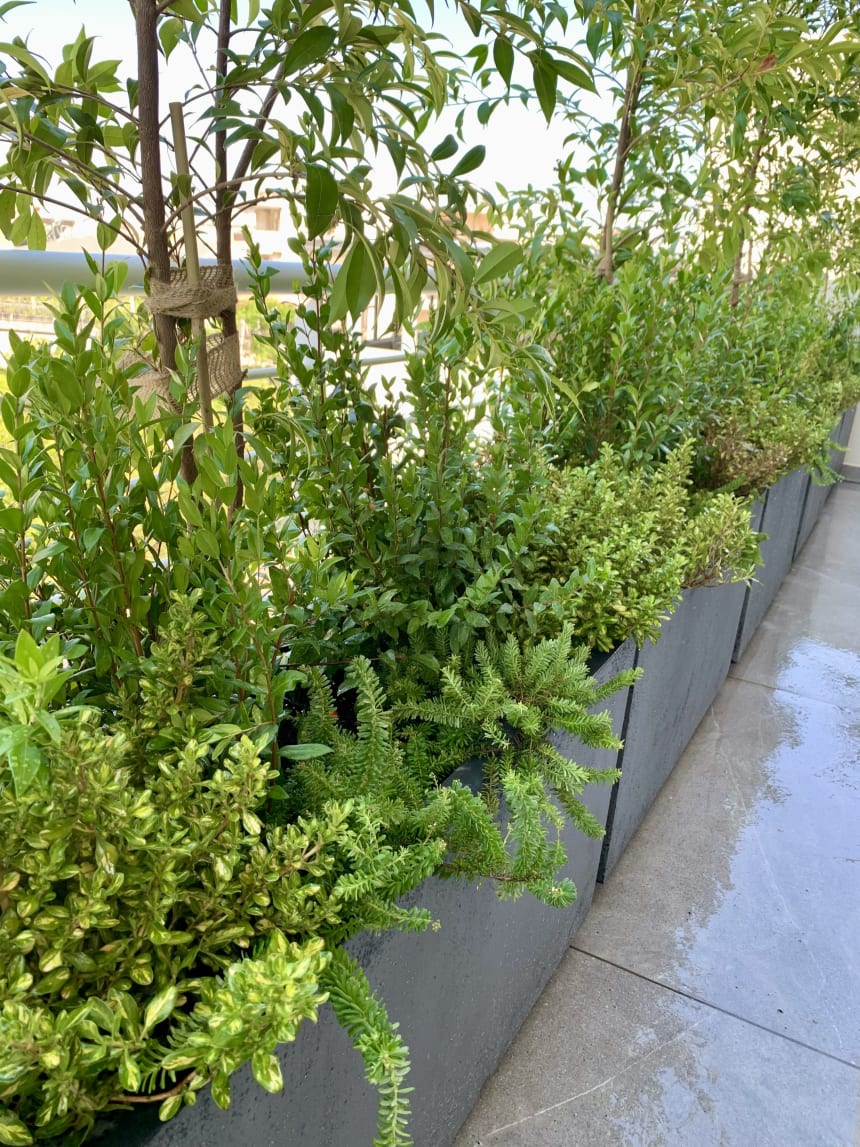
Container Gardens
Office Garden. Glyfada, Athens

The Ideal Garden
Part of a Four-Level Planting Design Project for a Townhouse in Kifisia
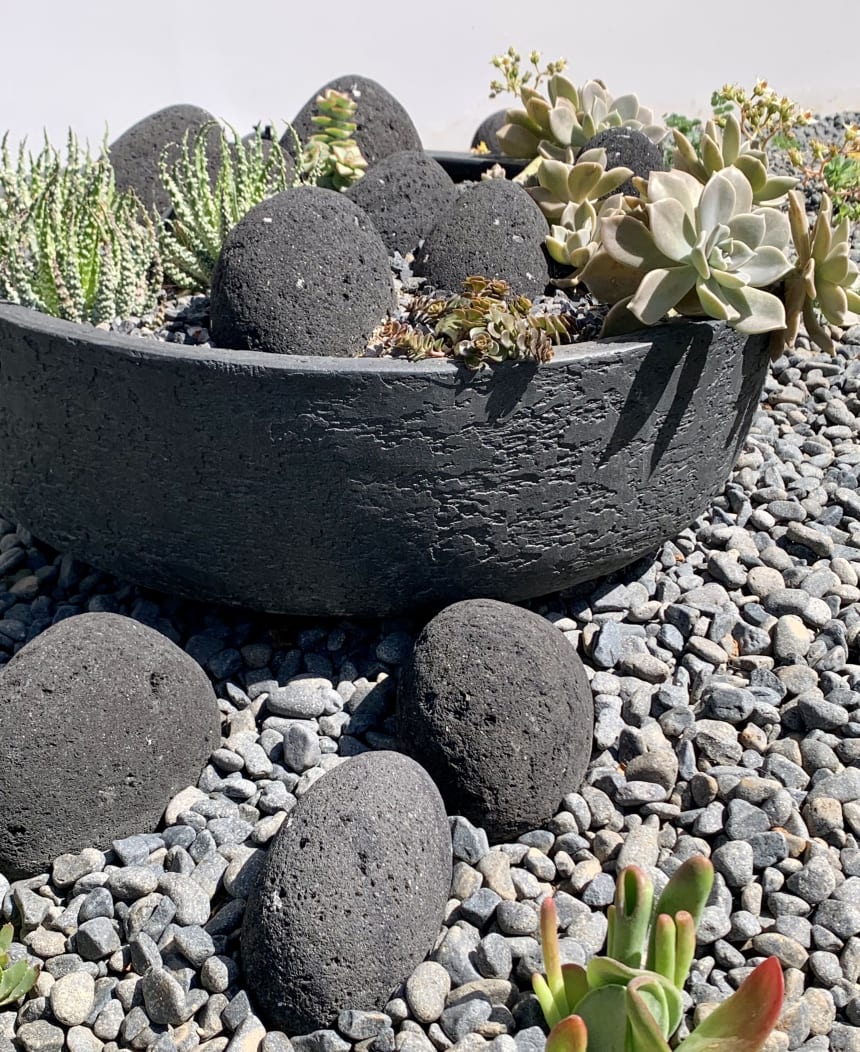
The Ideal Garden
Part of the "Family Garden in Glyfada" Project. The Stone Garden

Garden Redesign
A Small Garden Without Borders in Marousi, 1.5 Years Later
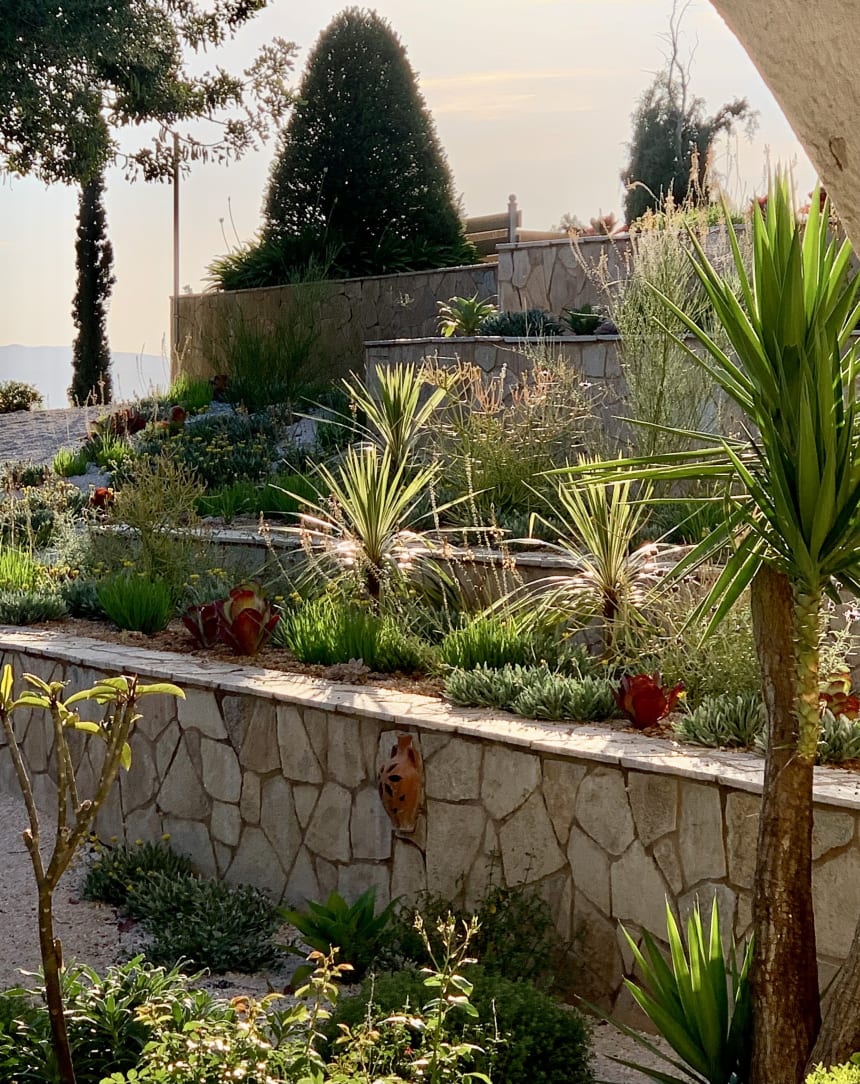
Garden Redesign
A Garden in an Olive Grove. Kalamata

Garden Redesign
Family garden in Glyfada. Project realization.
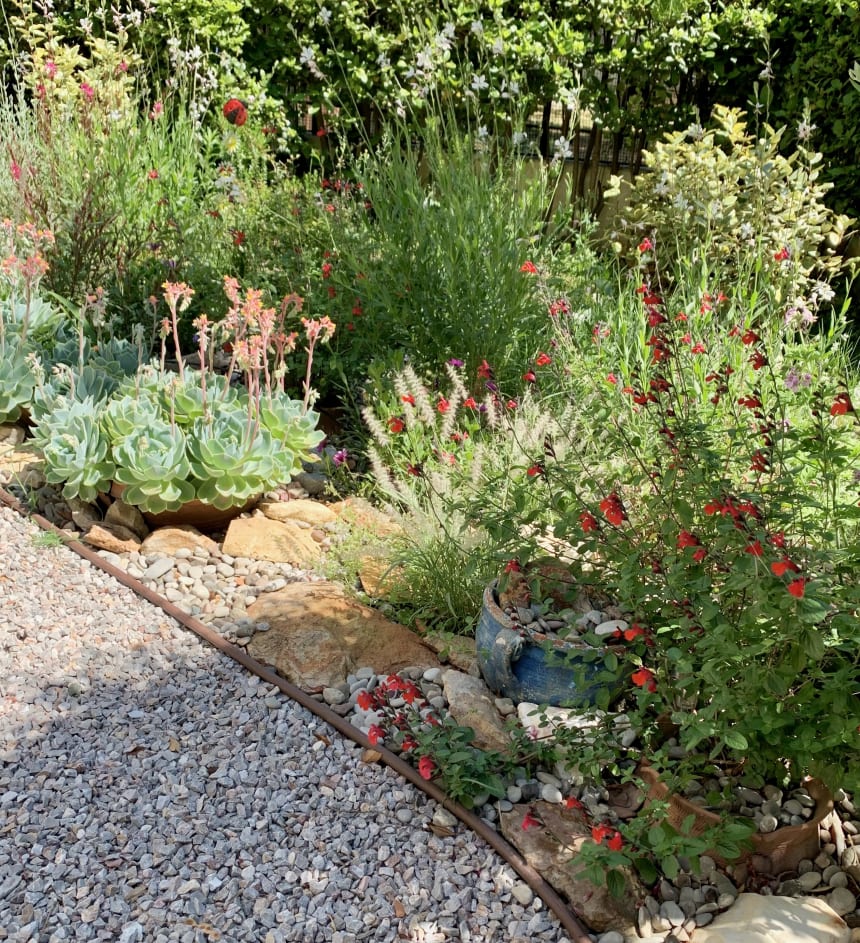
Garden Redesign
A Small Garden Without Borders in Marousi

Container Gardens
Part of a Four-Level Planting Design Project for a Townhouse, Kifisia

Container Gardens
Balcony in Kallithea
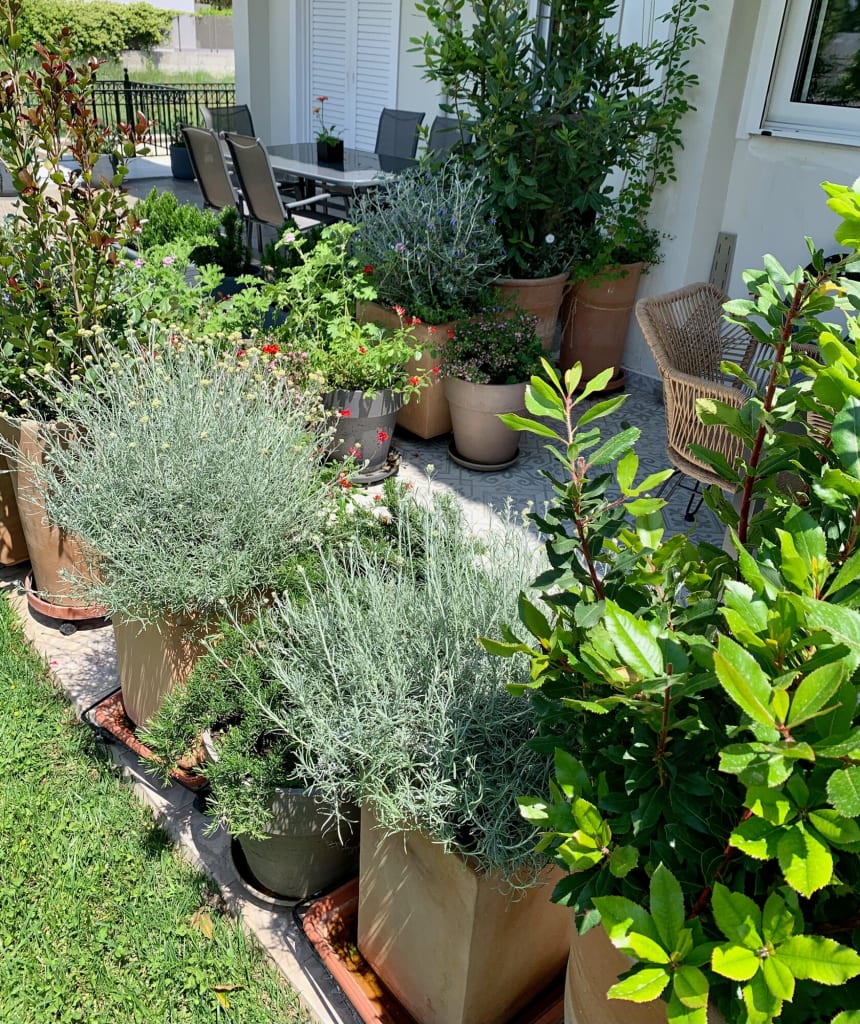
Container Gardens
Container Garden for a Townhouse in Kifisia

Container Gardens
Container Relaxation Garden in Nea Erythraia

Container Gardens
Container Landscaping of a Shaded Terrace for a Hotel in Alimos

Container Gardens
Container Landscaping for an Outdoor Restaurant Terrace on the Waterfront in Aigio
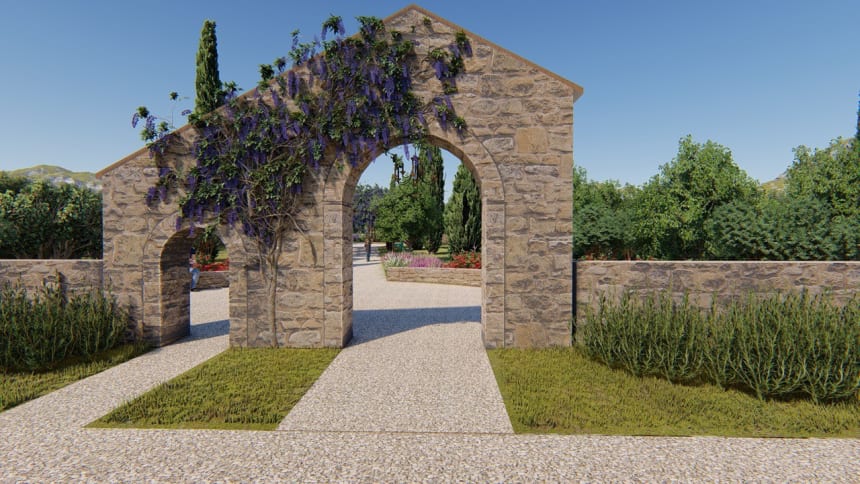
The Ideal Garden
Eco-Park in the Citrus Grove of a Peloponnese Hotel
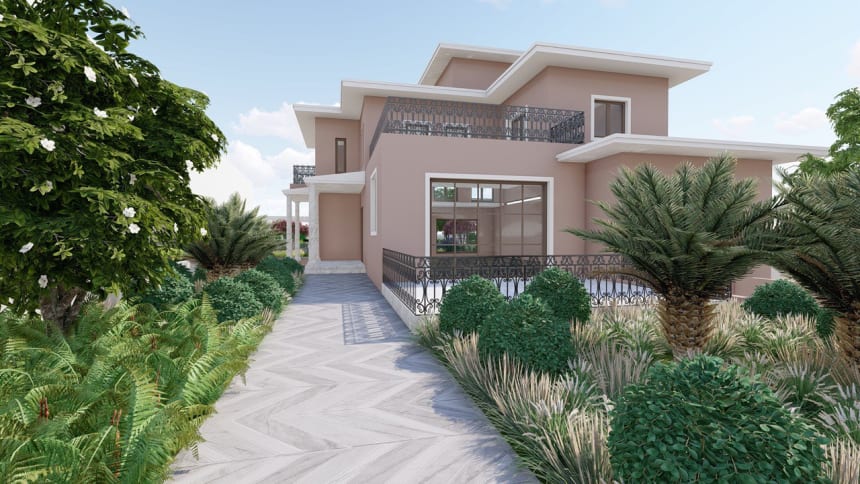
Garden Redesign
Family Garden in Glyfada

The Ideal Garden
Planting Design for a Private Boutique Hotel

Container Gardens


