Phoenix spp.
Date Palm
Light
Full sun
Origin
Canary Islands, North Africa and Middle East
Watering
Drought tolerant
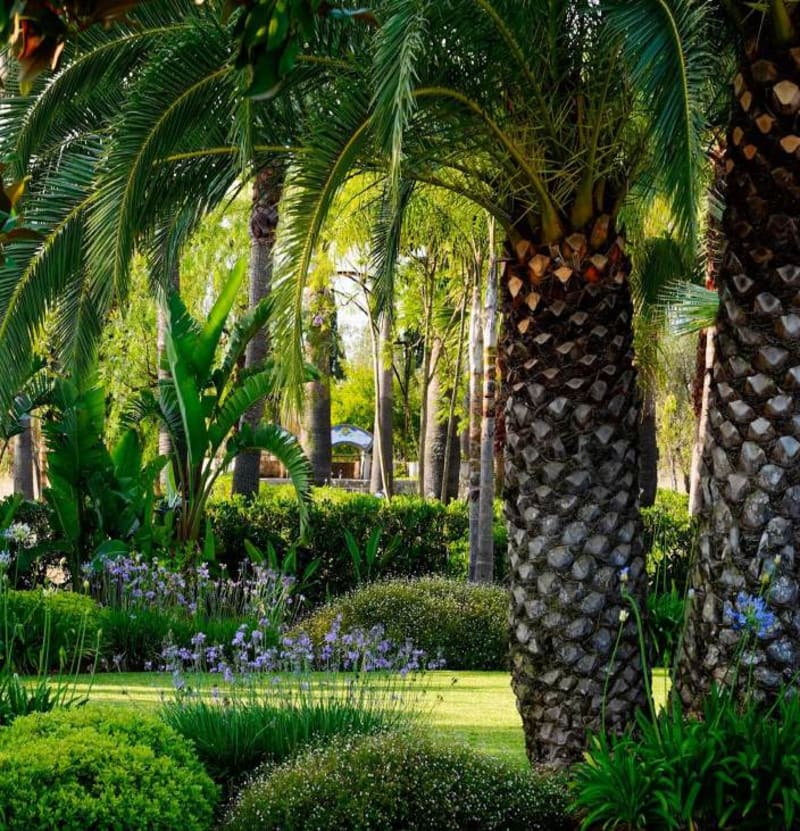
Date palms command attention with their stately trunks, arching crowns and ornamental fruit clusters that appear from June to July. They provide generous shade and an iconic sense of place in any Mediterranean garden.
The Phoenix genus includes the iconic Phoenix canariensis (Canary Island date palm) and Phoenix dactylifera (date palm), both staples of Mediterranean grand-scale landscape. Phoenix canariensis is the more cold-hardy at -8°C and produces a thick trunk crowned with massive arching pinnate fronds 4–6 m long; Phoenix dactylifera is multi-stemmed, taller, and the source of edible dates. Both flower in spring, producing huge pendulous flower stalks; the canariensis is dioecious with conspicuous yellow flowers, while dactylifera female plants bear hanging clusters of dates ripening from autumn through winter. Both tolerate drought, salt and reflected heat once established.
Phoenix palms are landscape-scale elements: canariensis reaches 15–20 m tall with a single massive trunk; dactylifera 20–25 m with multiple trunks. Use as primary architectural features along driveways, framing pool areas, lining boulevards, and as solo focal points in large gardens and public spaces. The strong horizontal lines of the fronds contrast beautifully with the vertical columns of Cupressus sempervirens and the rounded canopies of Olea europaea. Underplant with Mediterranean groundcovers — Lantana montevidensis, Bulbine frutescens, Bougainvillea against trunks. Phoenix canariensis is severely threatened by the red palm weevil (Rhynchophorus ferrugineus) throughout the Mediterranean — monitor closely and treat preventatively.
Our Mediterranean projects
All Projects →
Garden Redesign
Rose Garden Reconstruction for a Monastery-Style Hotel, Peloponnese
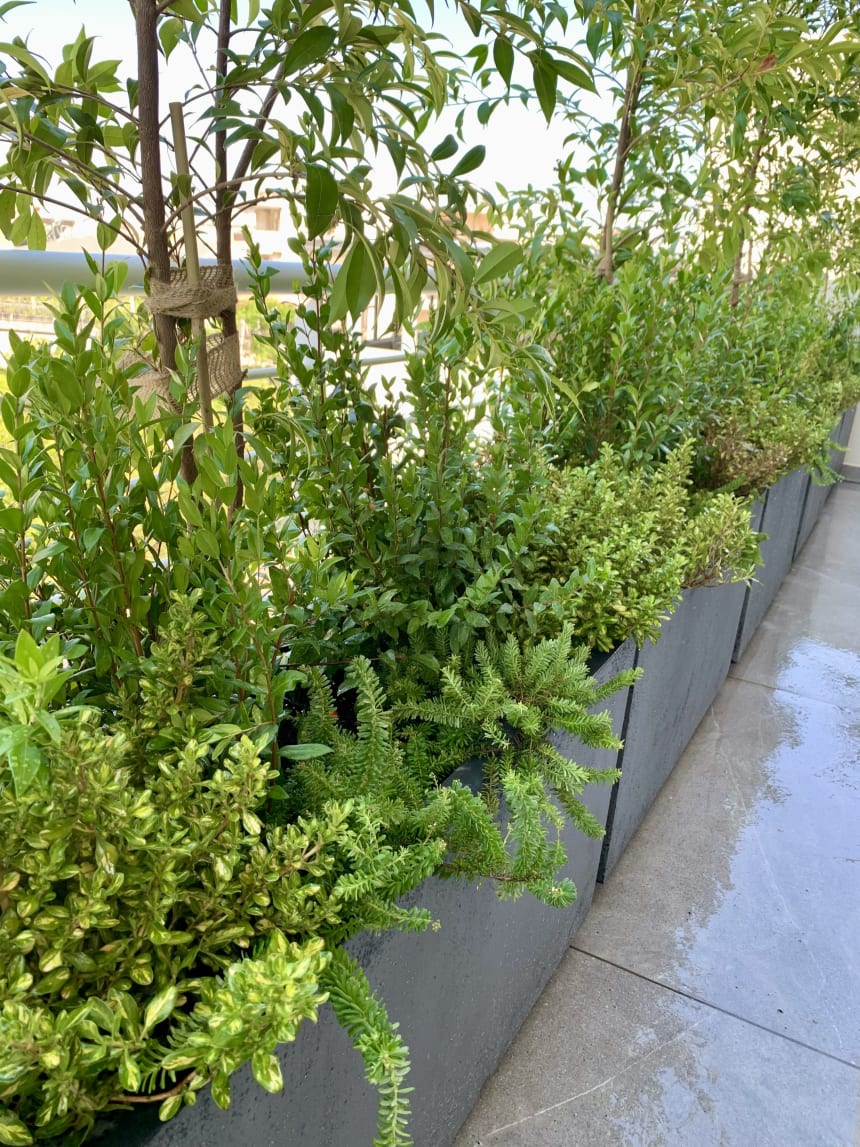
Container Gardens
Office Garden. Glyfada, Athens

The Ideal Garden
Part of a Four-Level Planting Design Project for a Townhouse in Kifisia
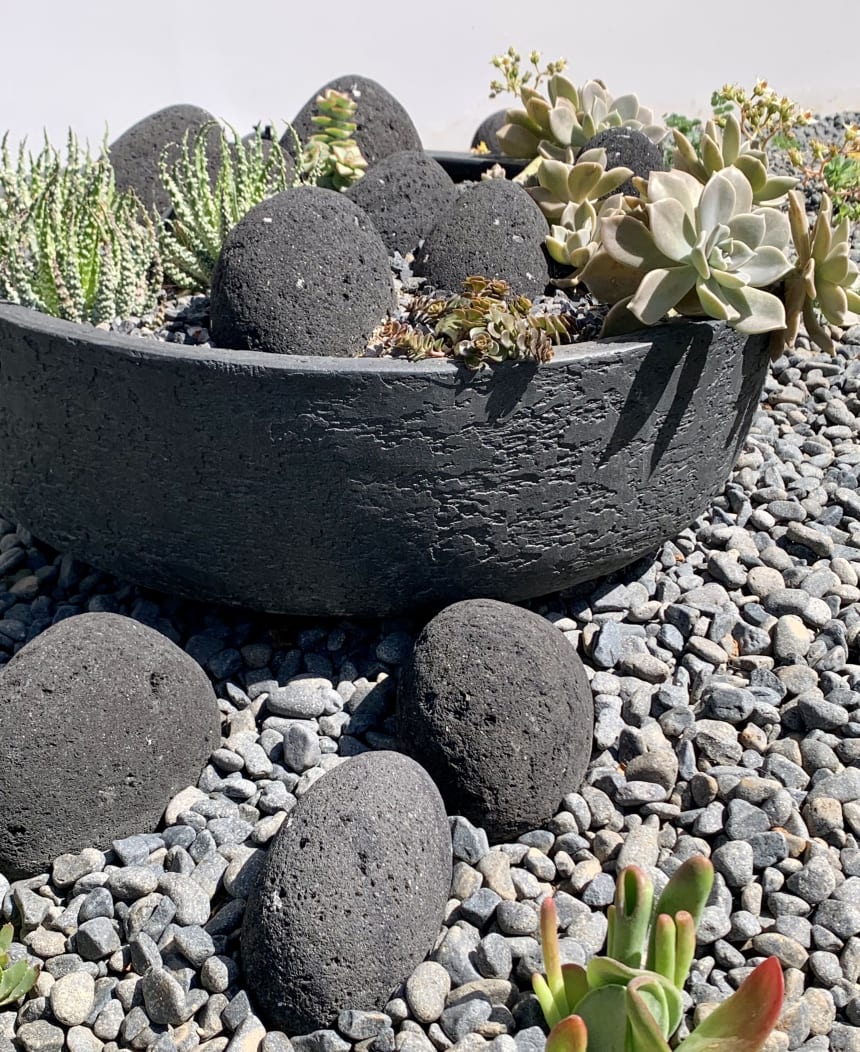
The Ideal Garden
Part of the "Family Garden in Glyfada" Project. The Stone Garden

Garden Redesign
A Small Garden Without Borders in Marousi, 1.5 Years Later
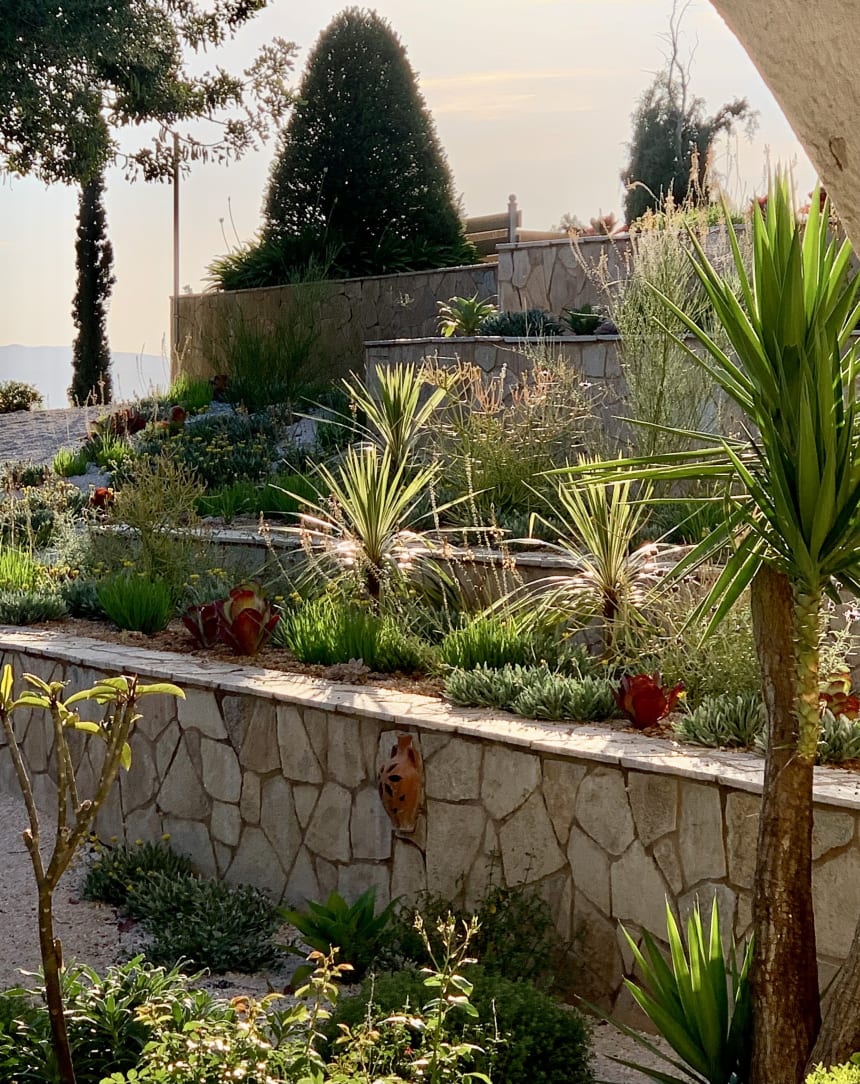
Garden Redesign
A Garden in an Olive Grove. Kalamata

Garden Redesign
Family garden in Glyfada. Project realization.
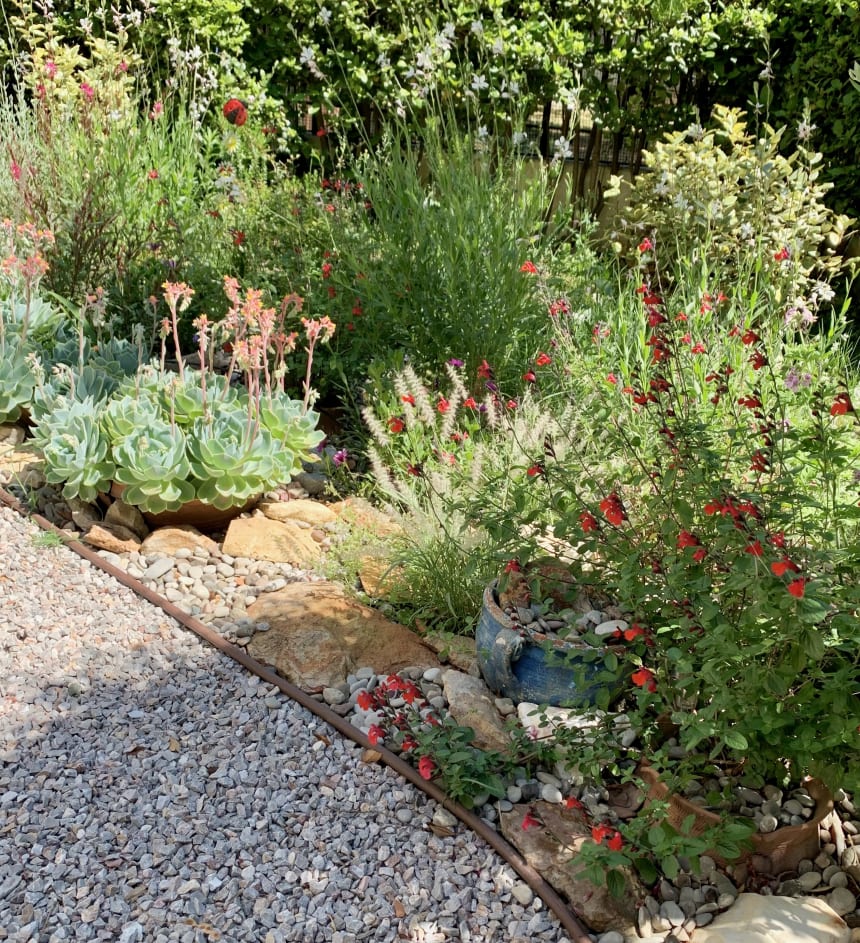
Garden Redesign
A Small Garden Without Borders in Marousi

Container Gardens
Part of a Four-Level Planting Design Project for a Townhouse, Kifisia

Container Gardens
Balcony in Kallithea
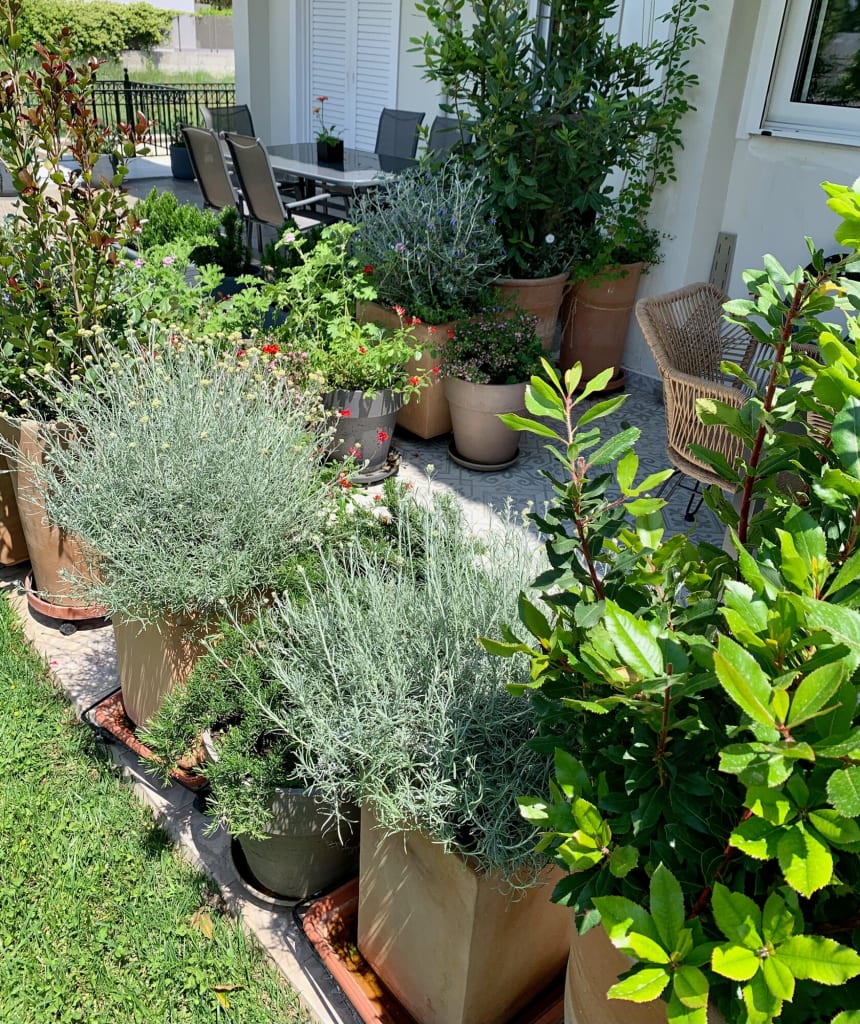
Container Gardens
Container Garden for a Townhouse in Kifisia

Container Gardens
Container Relaxation Garden in Nea Erythraia

Container Gardens
Container Landscaping of a Shaded Terrace for a Hotel in Alimos

Container Gardens
Container Landscaping for an Outdoor Restaurant Terrace on the Waterfront in Aigio
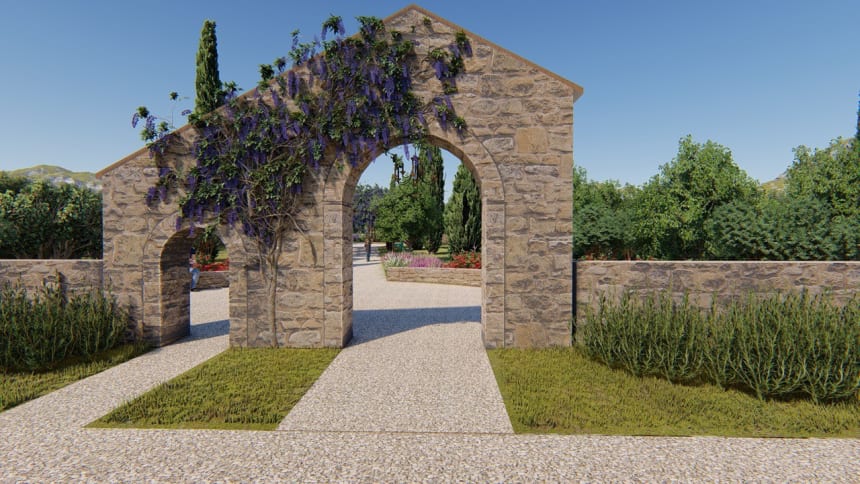
The Ideal Garden
Eco-Park in the Citrus Grove of a Peloponnese Hotel
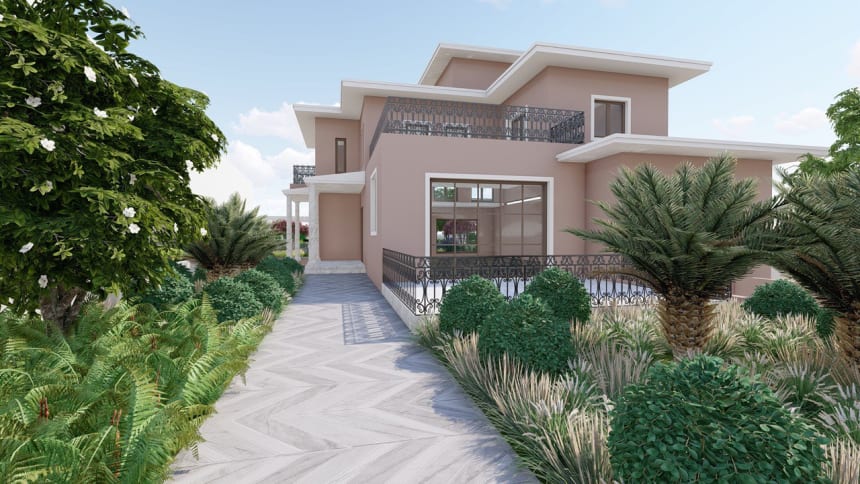
Garden Redesign
Family Garden in Glyfada

The Ideal Garden
Planting Design for a Private Boutique Hotel

Container Gardens


