Olea europaea
Olive
Light
Full sun
Origin
Mediterranean Region
Watering
Drought tolerant
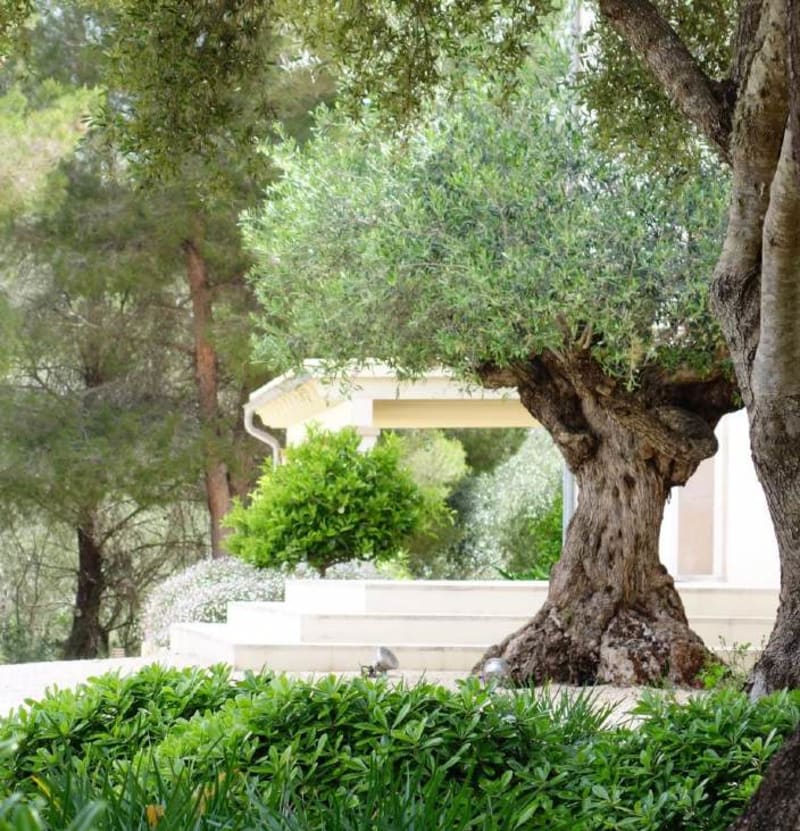
Olive trees are living works of art, deeply rooted in Mediterranean history and valued for producing a culinary staple. Their ancient, gnarled trunks and silvery foliage bring sculptural beauty and character to any garden.
Olea europaea is the cultural and ecological heart of the Mediterranean basin — domesticated in the eastern Mediterranean 6,000 years ago and central to the region's agriculture, cuisine, religion and landscape ever since. The narrow grey-green evergreen leaves with silvery undersides shimmer in the wind. Small fragrant cream-white flowers appear in late spring, followed by green olives that ripen to black through autumn and winter. The tree is hardy to -10°C in established specimens, extraordinarily long-lived (some specimens over 2,000 years old), and exceptionally tolerant of drought, salt, alkaline rocky soils and strong wind. Active growth occurs from spring through autumn; the tree slows but does not stop in mild winters.
Olive trees are most beautiful as multi-stemmed mature specimens, where the gnarled grey trunks and silvery canopy create a powerful sculptural presence. Plant a single ancient tree as the centrepiece of a Mediterranean garden, in regular grids for orchard plantings, in formal pairs flanking gates and entrances, or as a freestanding lawn specimen where the form can be appreciated. The cool silver-grey foliage works as a background for almost everything, but particularly with the dark verticals of Cupressus sempervirens, the magenta of Bougainvillea, the blue of Plumbago auriculata and Lavandula, and the warm ochres of stone walls and terracotta. Underplant with shallow-rooted Mediterranean companions: Cistus, Phlomis, Salvia rosmarinus, Iris germanica, Stipa tenuissima.
Our Mediterranean projects
All Projects →
Garden Redesign
Rose Garden Reconstruction for a Monastery-Style Hotel, Peloponnese
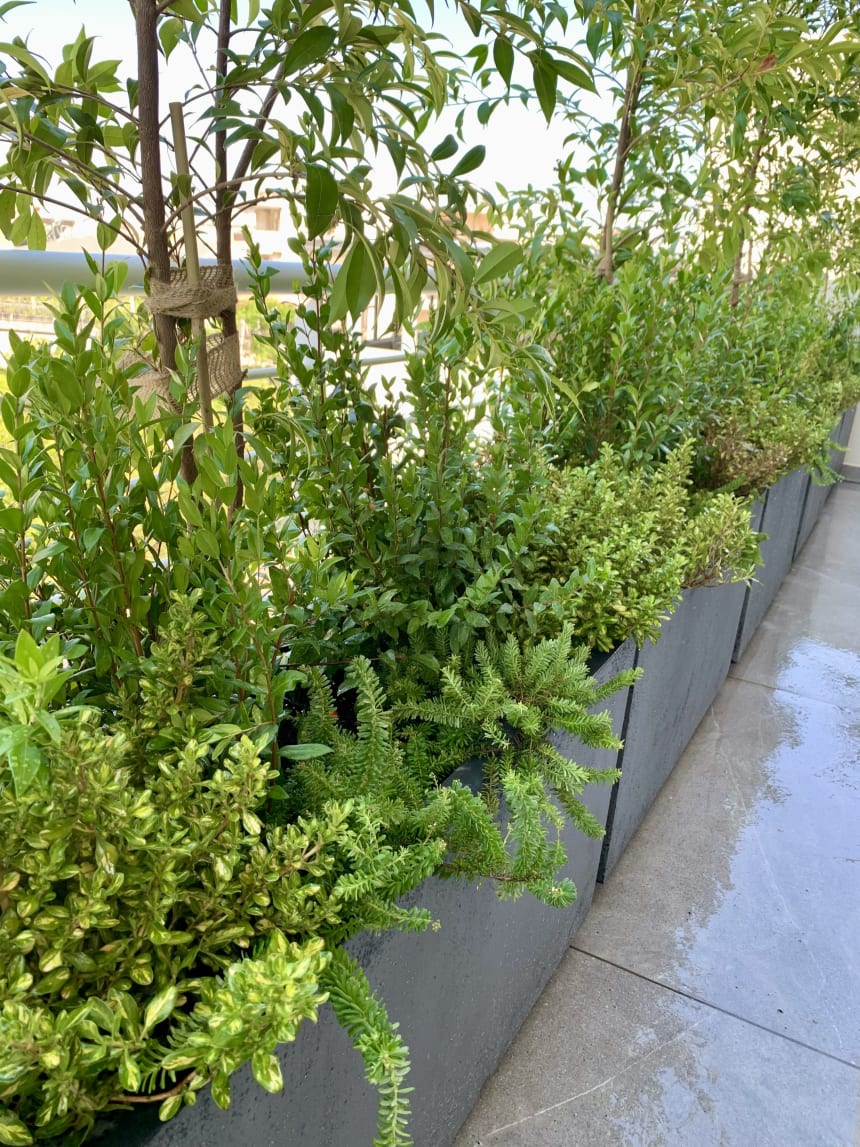
Container Gardens
Office Garden. Glyfada, Athens

The Ideal Garden
Part of a Four-Level Planting Design Project for a Townhouse in Kifisia
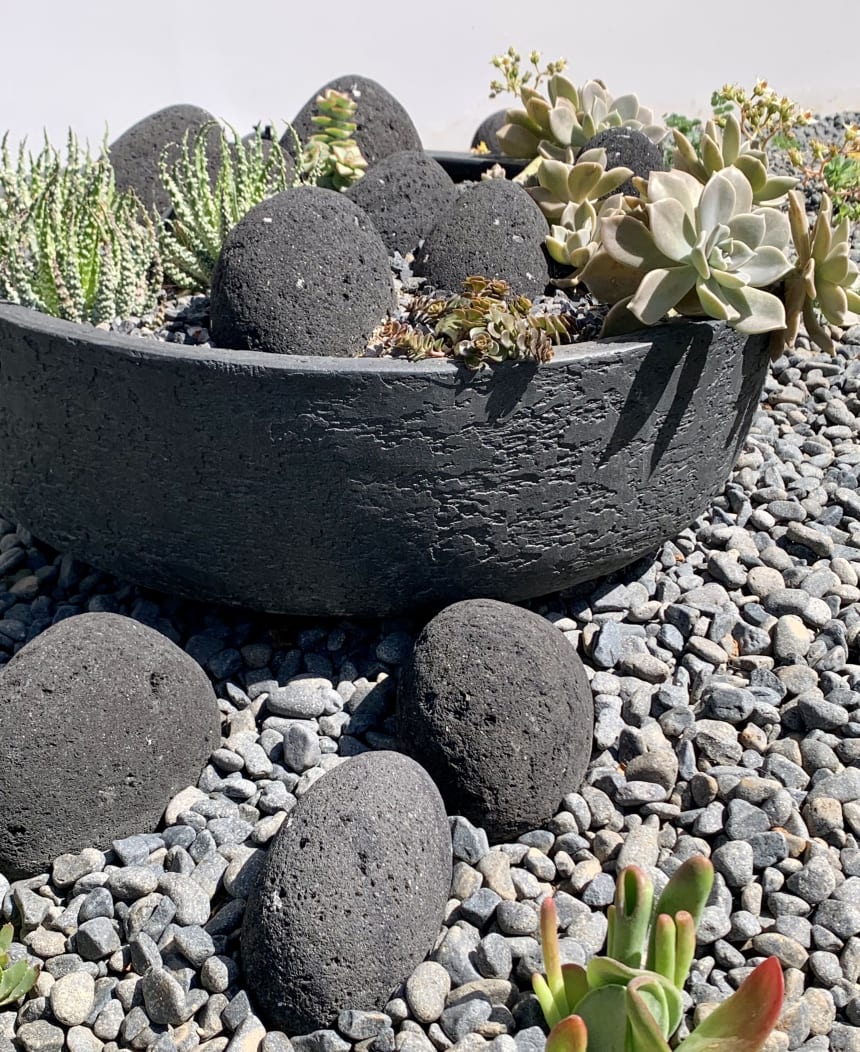
The Ideal Garden
Part of the "Family Garden in Glyfada" Project. The Stone Garden

Garden Redesign
A Small Garden Without Borders in Marousi, 1.5 Years Later
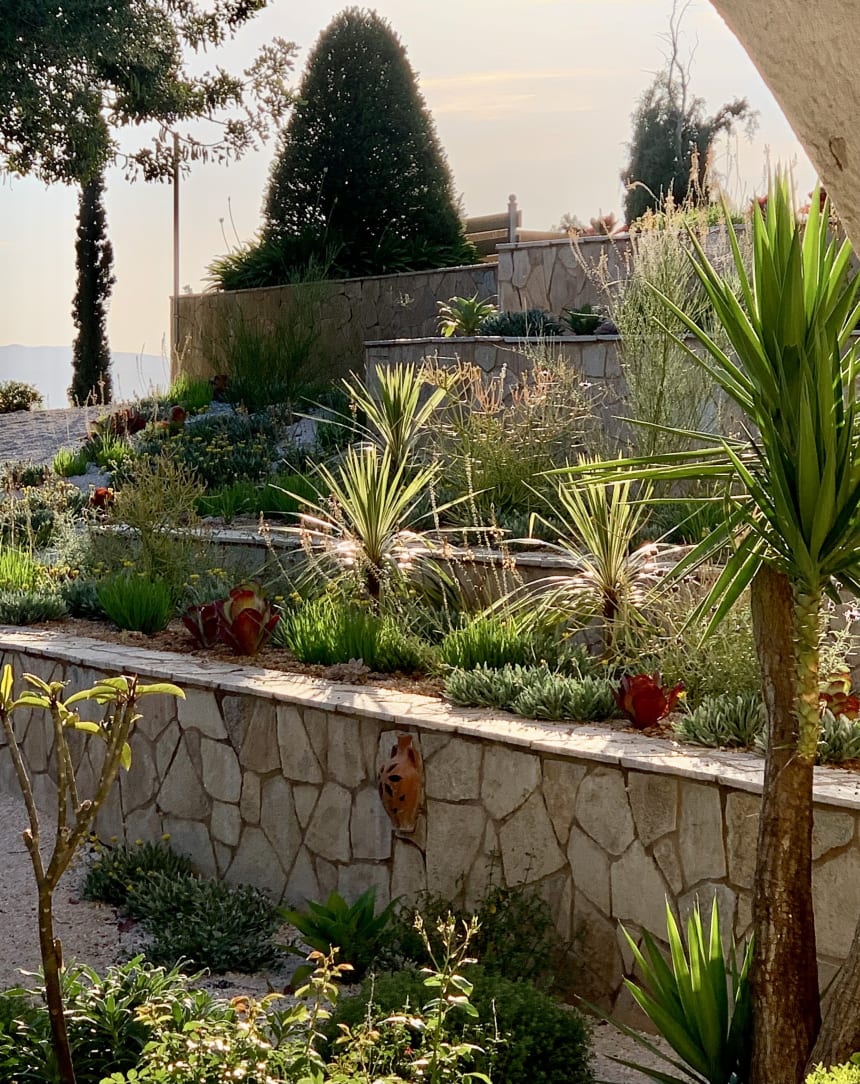
Garden Redesign
A Garden in an Olive Grove. Kalamata

Garden Redesign
Family garden in Glyfada. Project realization.
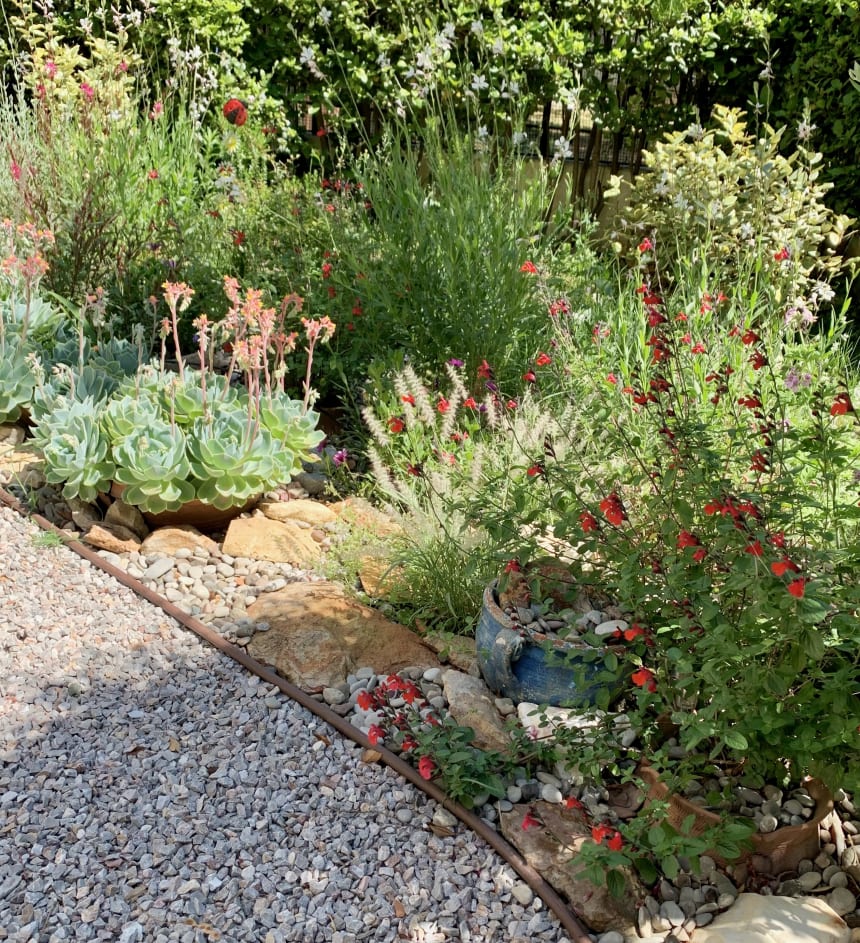
Garden Redesign
A Small Garden Without Borders in Marousi

Container Gardens
Part of a Four-Level Planting Design Project for a Townhouse, Kifisia

Container Gardens
Balcony in Kallithea
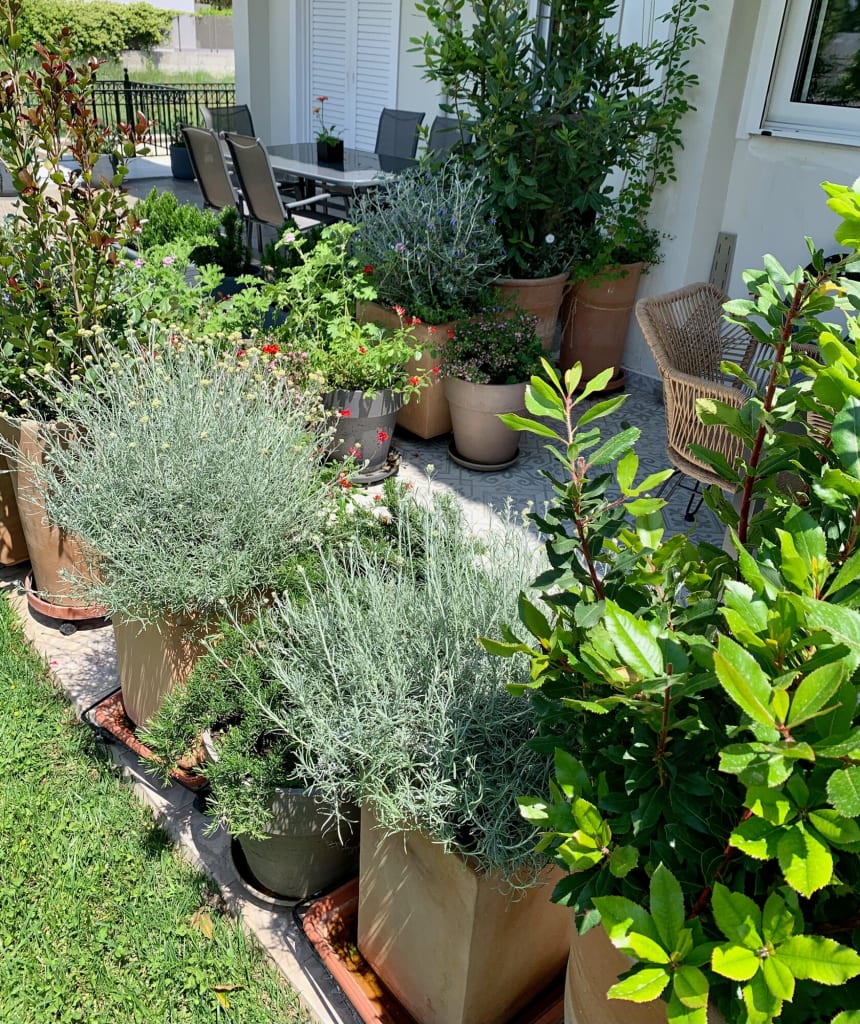
Container Gardens
Container Garden for a Townhouse in Kifisia

Container Gardens
Container Relaxation Garden in Nea Erythraia

Container Gardens
Container Landscaping of a Shaded Terrace for a Hotel in Alimos

Container Gardens
Container Landscaping for an Outdoor Restaurant Terrace on the Waterfront in Aigio
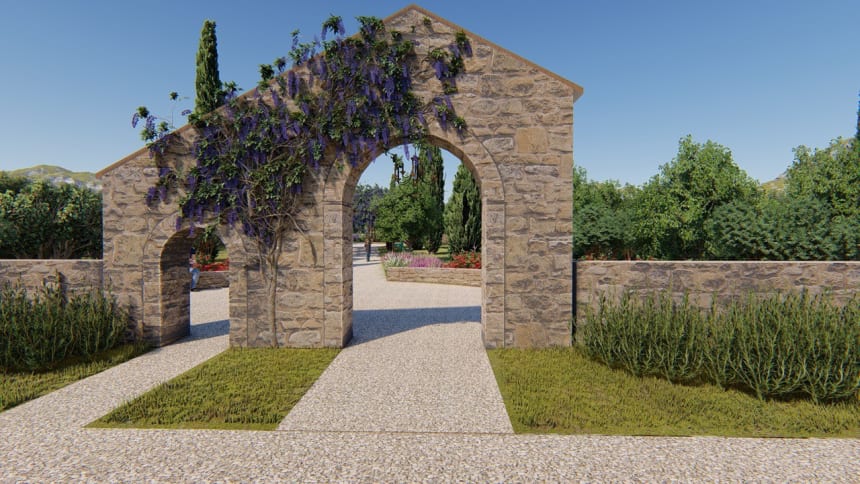
The Ideal Garden
Eco-Park in the Citrus Grove of a Peloponnese Hotel
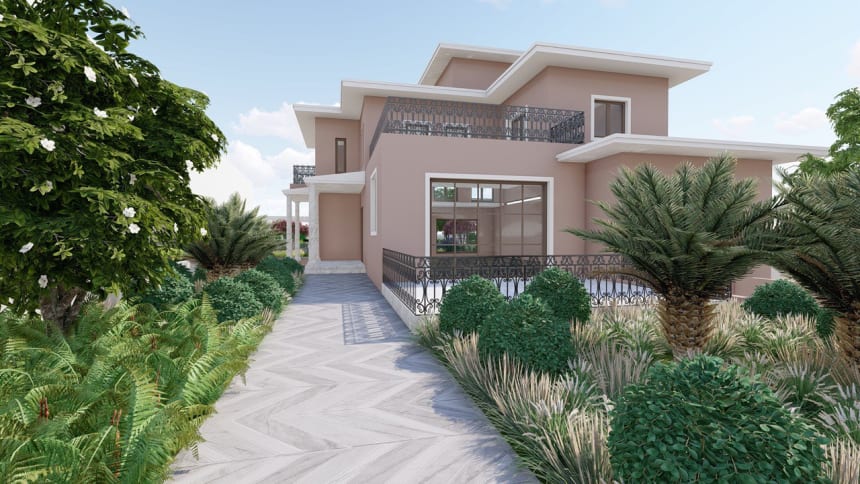
Garden Redesign
Family Garden in Glyfada

The Ideal Garden
Planting Design for a Private Boutique Hotel

Container Gardens


