Lonicera periclymenum
Honeysuckle
Light
Full sun to part shade
Origin
Europe and North Africa
Watering
Regular watering
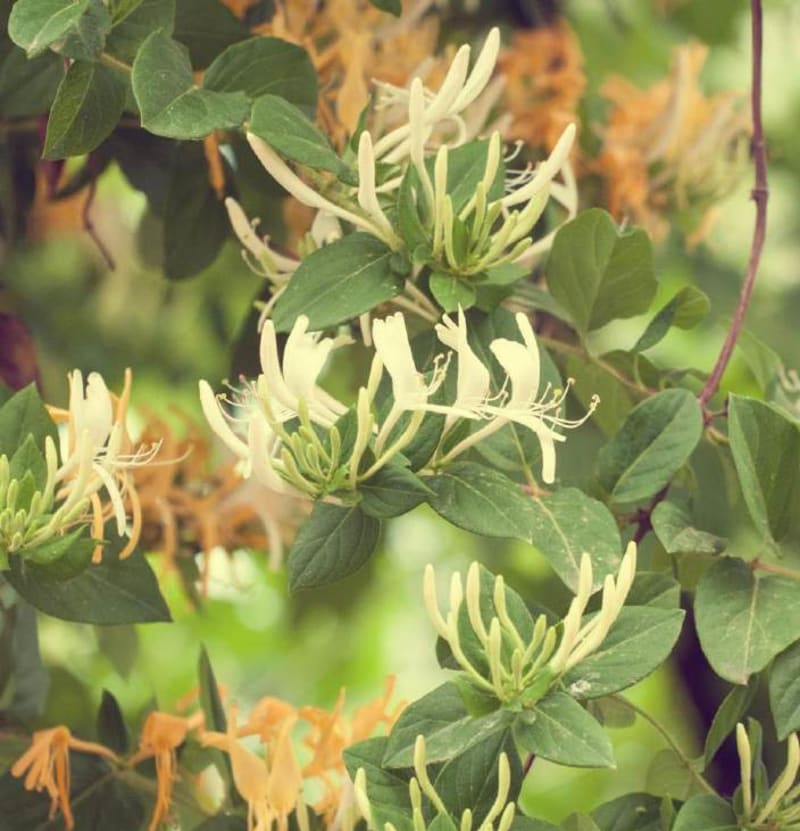
Honeysuckle adds romance to the garden with its twining stems, sweet evening fragrance and soft, tubular blooms that attract bees and butterflies. Flowering from late spring into autumn, it brings colour and scent to walls and pergolas with a relaxed, timeless charm.
Lonicera periclymenum is the European native honeysuckle, naturally found in Mediterranean hedgerows and woodland margins. It is a twining climber producing clusters of fragrant tubular flowers — cream, yellow and pink — from late spring through summer; the scent is most powerful at dusk and in the early evening to attract moths. Red berries follow in autumn and are attractive to birds. In the Mediterranean climate the plant is semi-evergreen, holding most leaves through mild winters and losing them only in cold spells. Hardy to -15°C and tolerant of partial shade — it actually prefers cool roots and warmer flowering wood — the plant needs reasonable summer moisture, more than most Mediterranean climbers.
Honeysuckle climbs 4–6 m by twining around supports — wires, trellises and pergola pillars — and is best trained on a structure where the roots can be shaded and the top reaches direct sun. Plant near doorways, bedroom windows and seating areas so the evening fragrance is enjoyed in summer; combine with night-flowering Cestrum nocturnum and white Trachelospermum jasminoides for a layered evening-fragrance garden. The cream and yellow flowers combine beautifully with old shrub roses, with the blue of Plumbago auriculata and with the silver-grey of Lavandula. Mulch the root zone heavily to keep it cool and moist; avoid sites with reflected heat from south-facing walls.
Our Mediterranean projects
All Projects →
Garden Redesign
Rose Garden Reconstruction for a Monastery-Style Hotel, Peloponnese
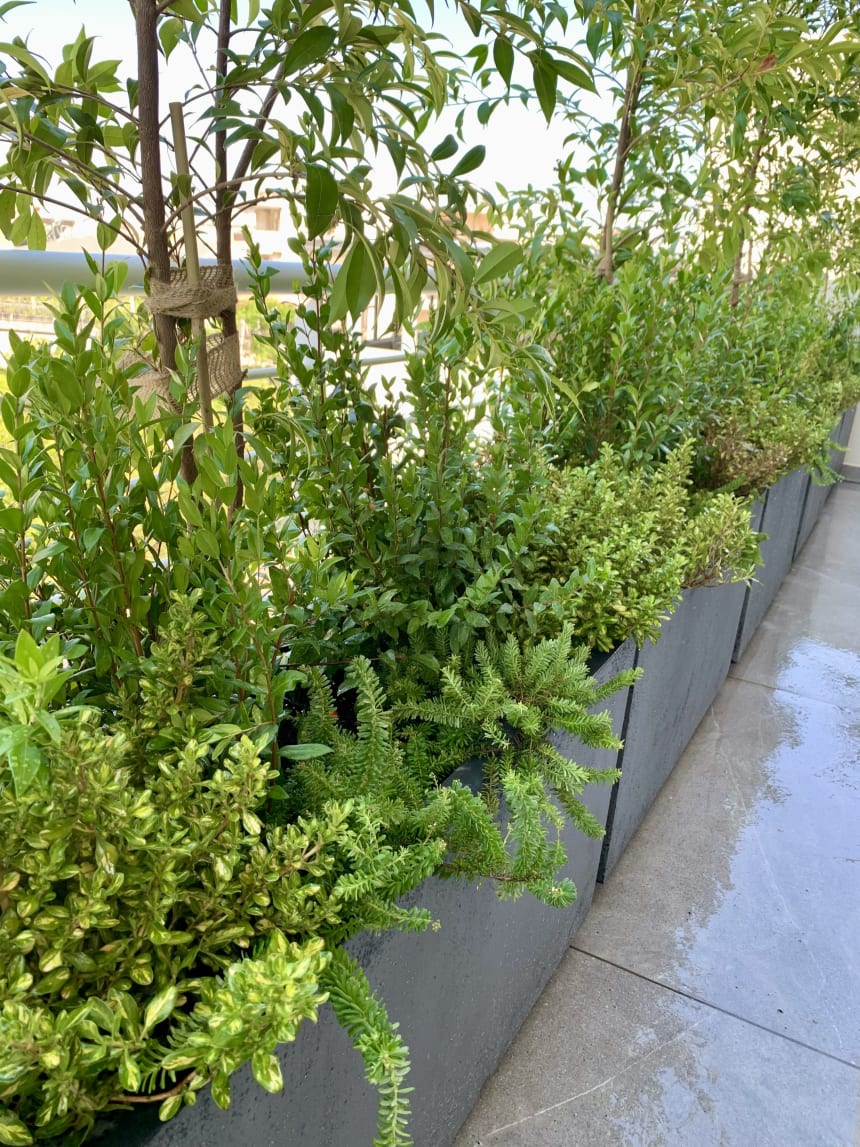
Container Gardens
Office Garden. Glyfada, Athens

The Ideal Garden
Part of a Four-Level Planting Design Project for a Townhouse in Kifisia
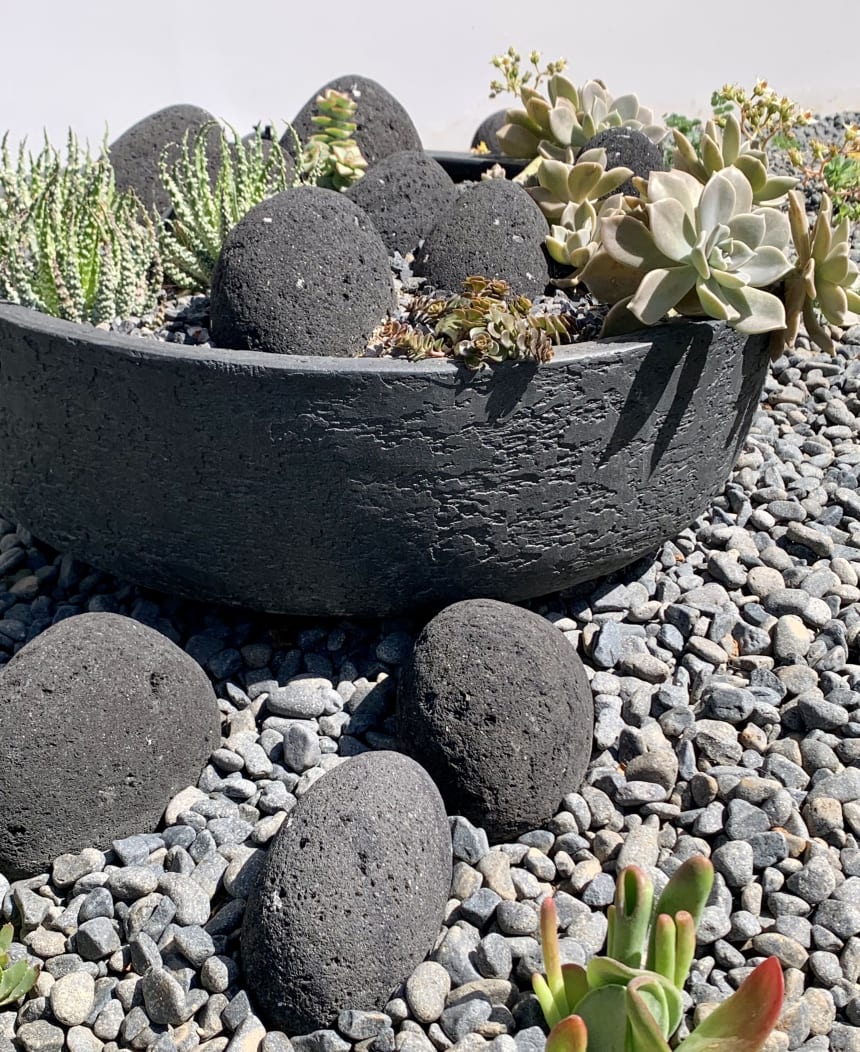
The Ideal Garden
Part of the "Family Garden in Glyfada" Project. The Stone Garden

Garden Redesign
A Small Garden Without Borders in Marousi, 1.5 Years Later
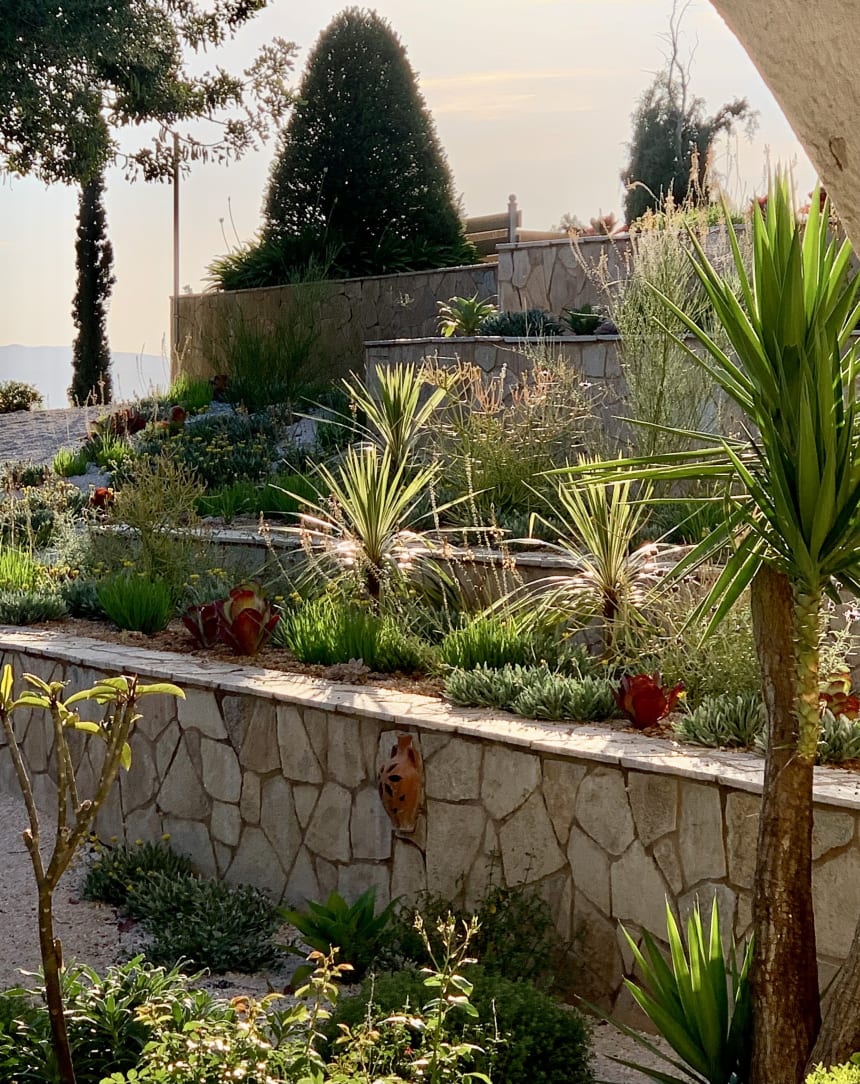
Garden Redesign
A Garden in an Olive Grove. Kalamata

Garden Redesign
Family garden in Glyfada. Project realization.
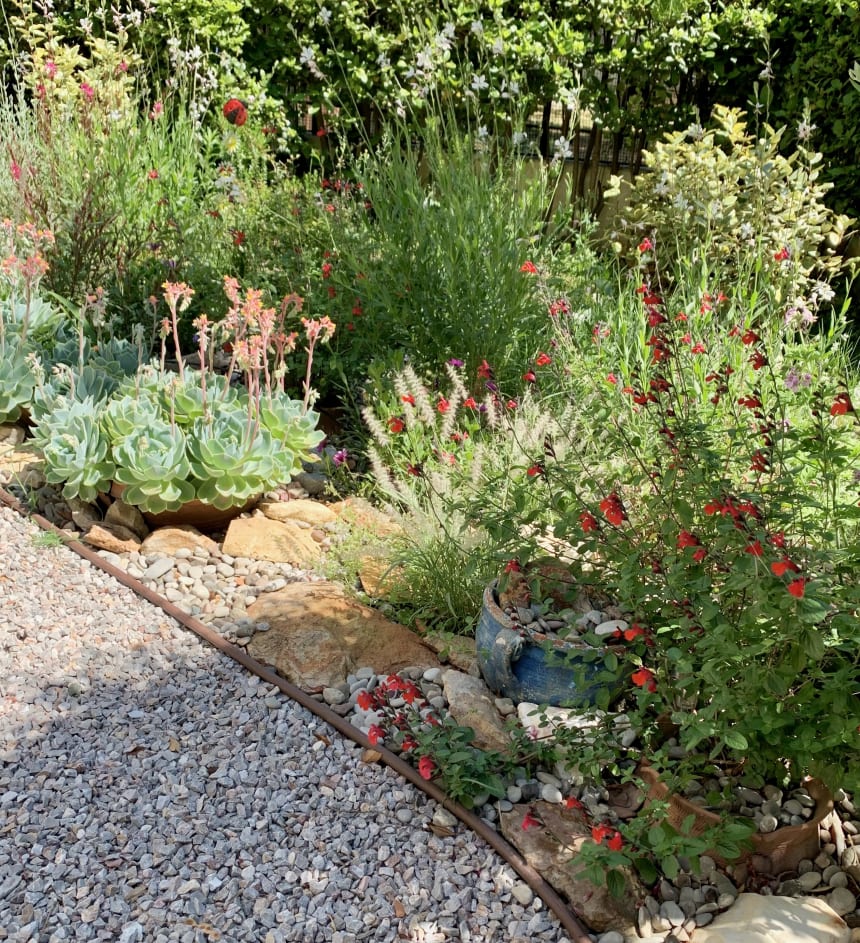
Garden Redesign
A Small Garden Without Borders in Marousi

Container Gardens
Part of a Four-Level Planting Design Project for a Townhouse, Kifisia

Container Gardens
Balcony in Kallithea
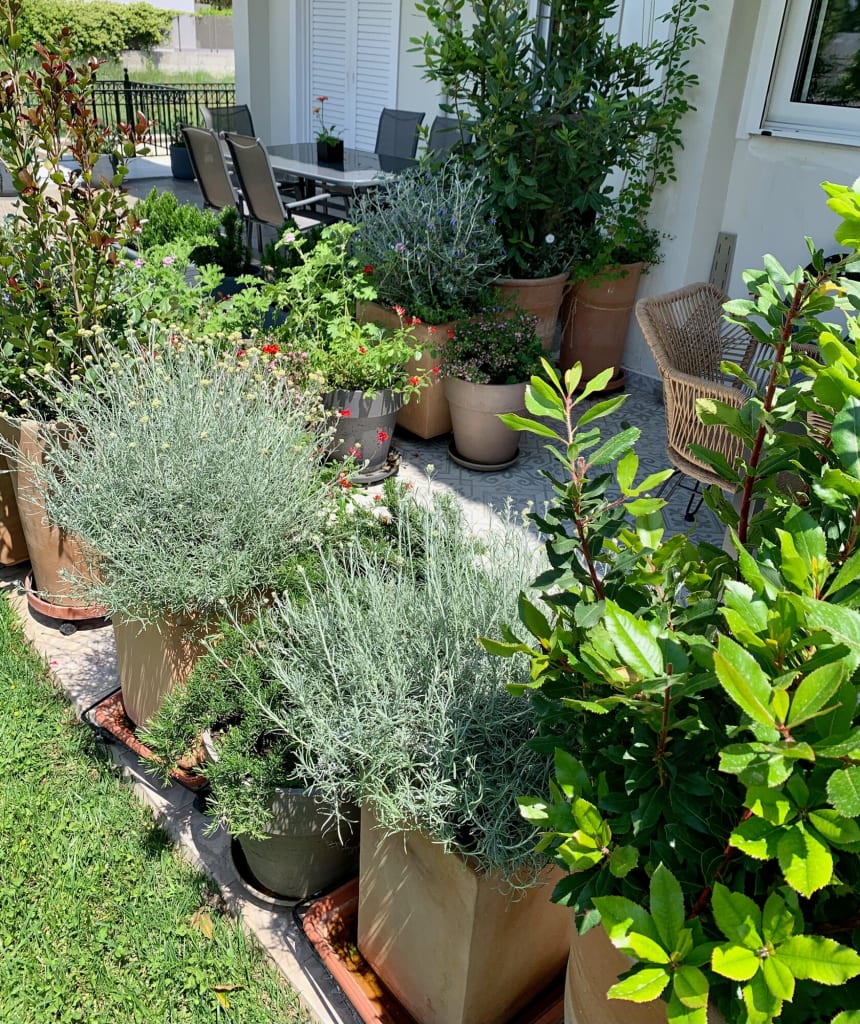
Container Gardens
Container Garden for a Townhouse in Kifisia

Container Gardens
Container Relaxation Garden in Nea Erythraia

Container Gardens
Container Landscaping of a Shaded Terrace for a Hotel in Alimos

Container Gardens
Container Landscaping for an Outdoor Restaurant Terrace on the Waterfront in Aigio
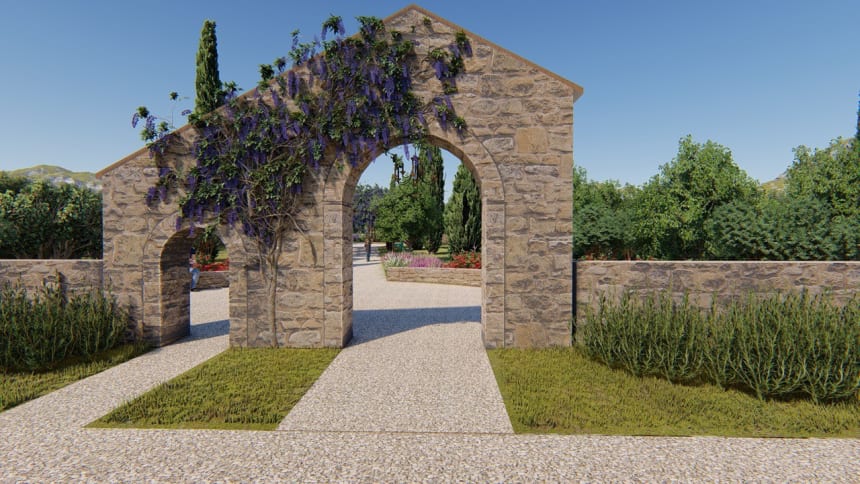
The Ideal Garden
Eco-Park in the Citrus Grove of a Peloponnese Hotel
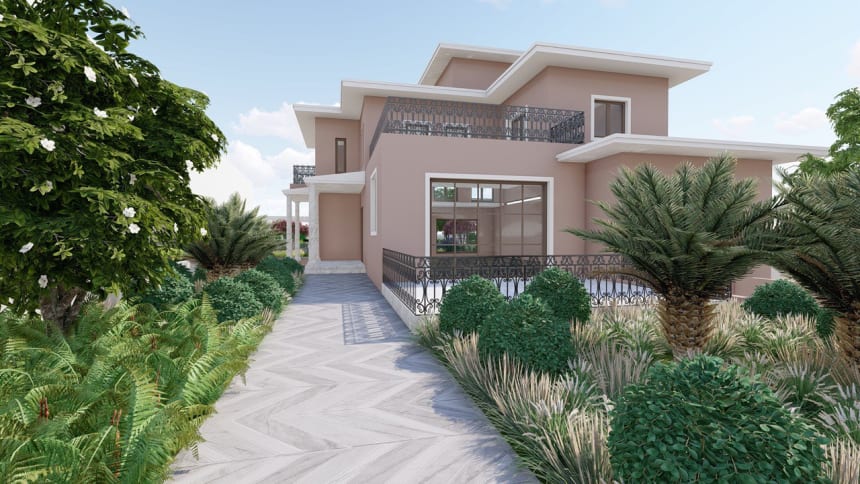
Garden Redesign
Family Garden in Glyfada

The Ideal Garden
Planting Design for a Private Boutique Hotel

Container Gardens


