Lantana montevidensis
Trailing Lantana
Light
Full sun
Origin
Uruguay, Paraguay, Brazil and Argentina
Watering
Drought tolerant
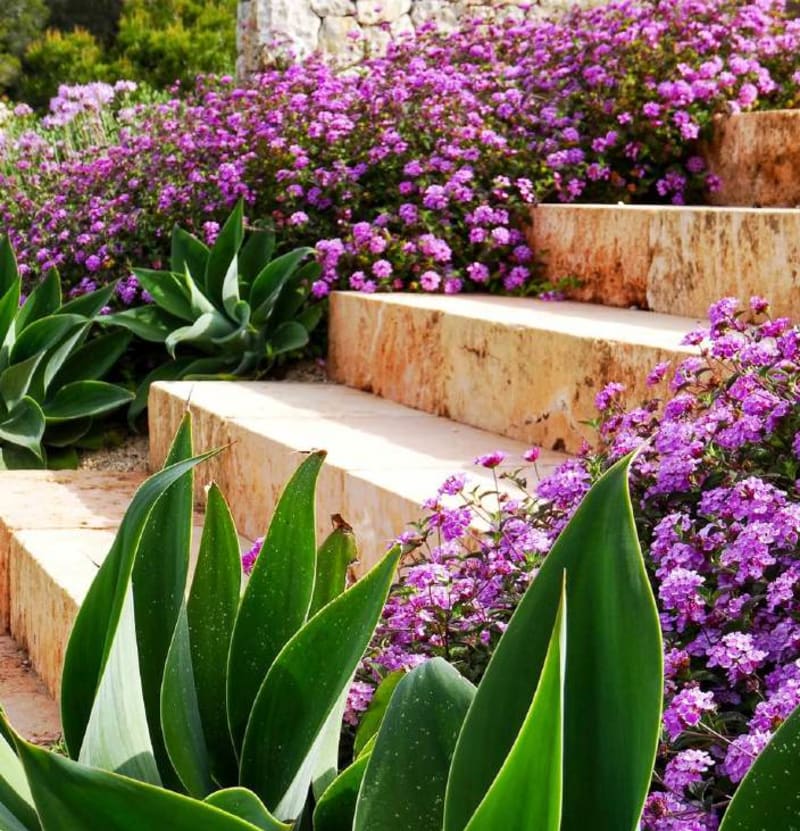
Lantana brings vibrant colour with trailing clusters of purple blooms from April to October. A magnet for butterflies and pollinators, it is a striking, low- maintenance choice for high-impact planting.
Trailing lantana flowers almost continuously in the Mediterranean climate, producing small clusters of magenta-purple, white or yellow flowers from spring through late autumn, with peaks in May–June and September–October. In coastal frost-free microclimates it flowers year-round. The flowers attract bees and butterflies in constant numbers; small black fruits follow and are mildly toxic. The pungently aromatic mid-green leaves are evergreen in mild winters, dropping below -3°C. Hardy to -5°C with the plant regrowing from the base, lantana is exceptionally drought-tolerant, salt-tolerant and undemanding once established.
Trailing lantana grows 20–40 cm tall and 60–100 cm wide, with long flexible stems that drape attractively over edges. Use cascading from raised planters, retaining walls, roof gardens and terracotta pots; as a long-flowering ground cover on sloping banks and along sunny path edges; or as a flowering carpet beneath taller shrubs and small trees. The magenta-purple form combines beautifully with silver Westringia, Convolvulus cneorum and Helichrysum italicum; with the yellow of Bulbine frutescens and Euryops pectinatus; and with the blue of Plumbago auriculata and Salvia rosmarinus. Cut back hard in late winter to maintain density. The plant is considered invasive in some warm-climate regions but well-behaved in cooler Mediterranean conditions.
Our Mediterranean projects
All Projects →
Garden Redesign
Rose Garden Reconstruction for a Monastery-Style Hotel, Peloponnese
Container Gardens
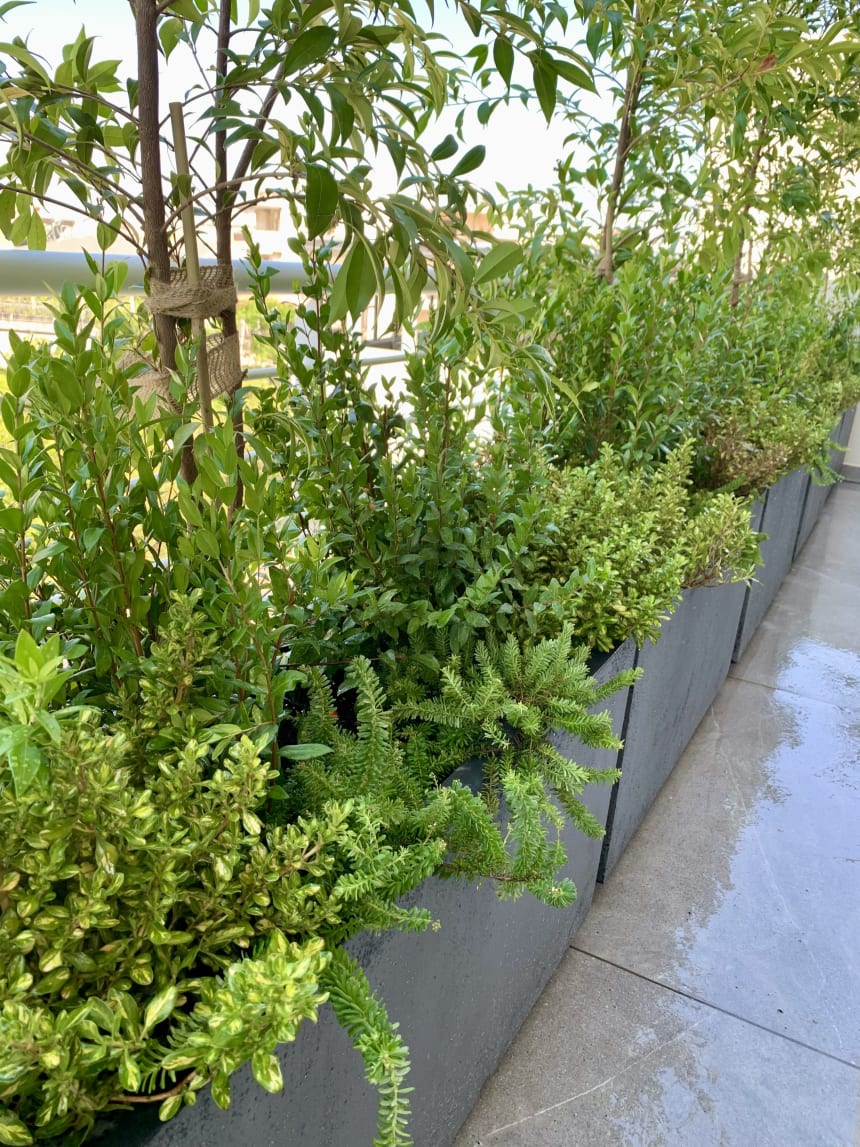
Office Garden. Glyfada, Athens

The Ideal Garden
Part of a Four-Level Planting Design Project for a Townhouse in Kifisia
The Ideal Garden
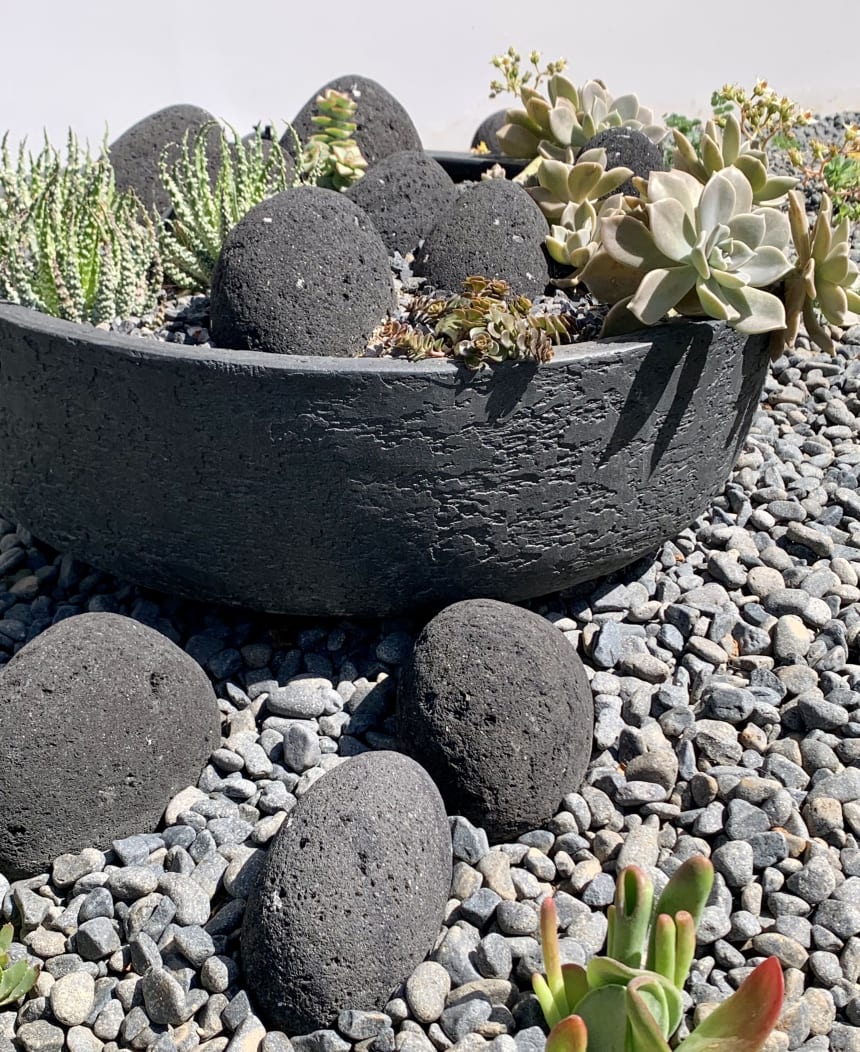
Part of the "Family Garden in Glyfada" Project. The Stone Garden

Garden Redesign
A Small Garden Without Borders in Marousi, 1.5 Years Later
Garden Redesign
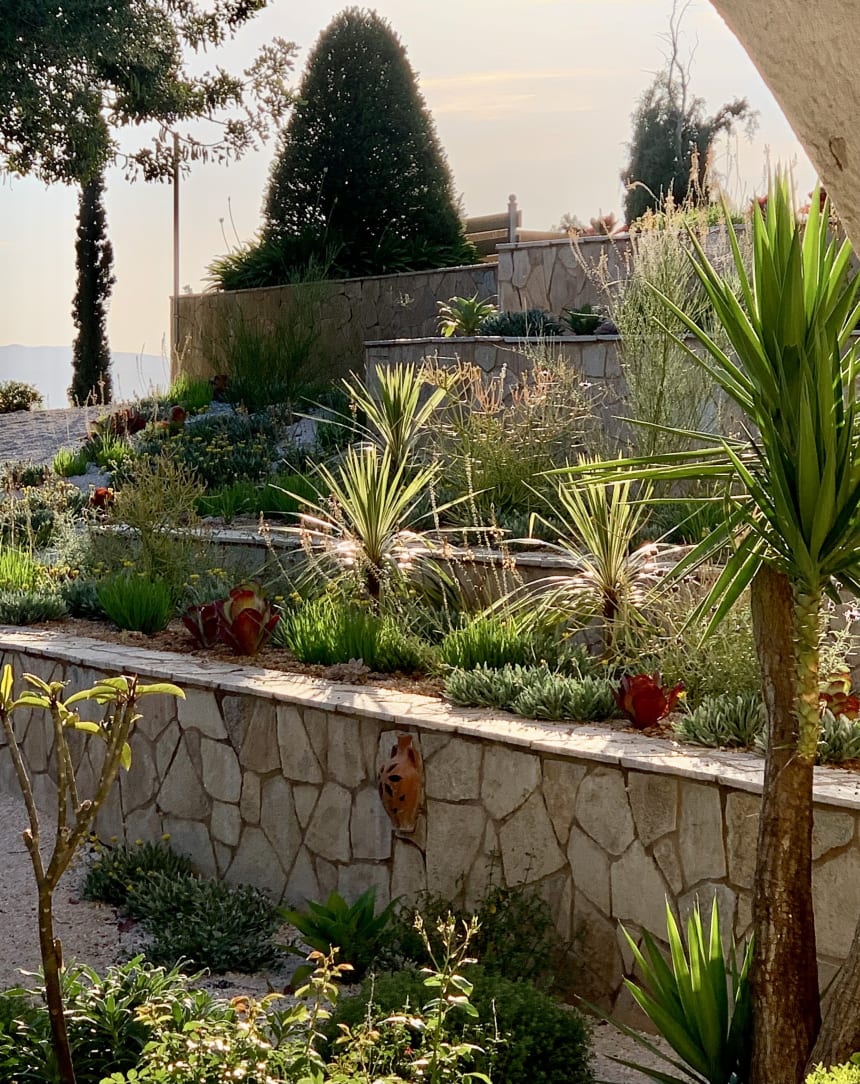
A Garden in an Olive Grove. Kalamata

Garden Redesign
Family garden in Glyfada. Project realization.
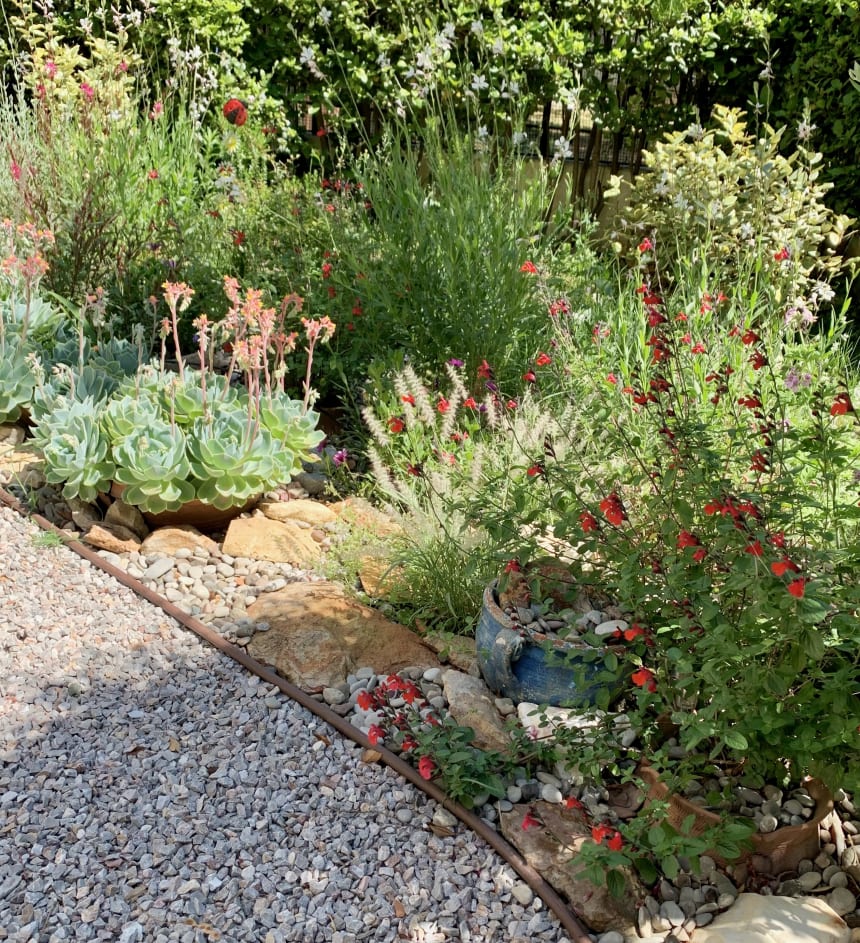
Garden Redesign
A Small Garden Without Borders in Marousi

Container Gardens
Part of a Four-Level Planting Design Project for a Townhouse, Kifisia

Container Gardens
Balcony in Kallithea
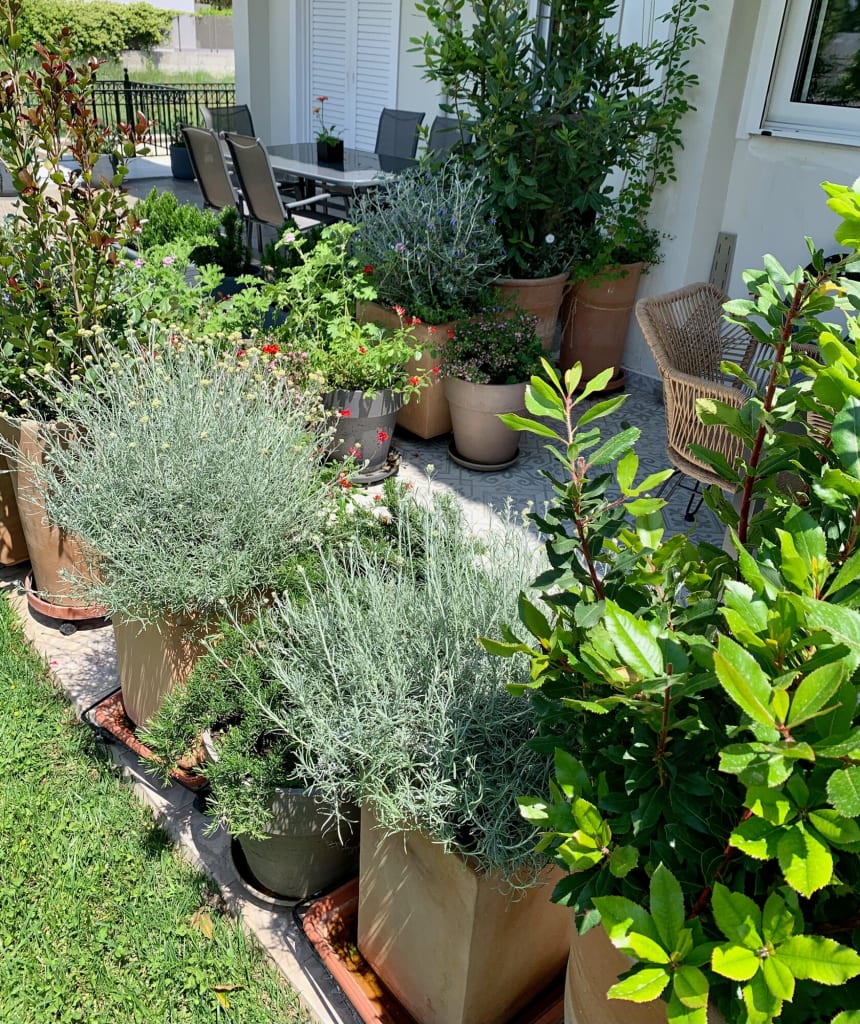
Container Gardens
Container Garden for a Townhouse in Kifisia

Container Gardens
Container Relaxation Garden in Nea Erythraia

Container Gardens
Container Landscaping of a Shaded Terrace for a Hotel in Alimos

Container Gardens
Container Landscaping for an Outdoor Restaurant Terrace on the Waterfront in Aigio
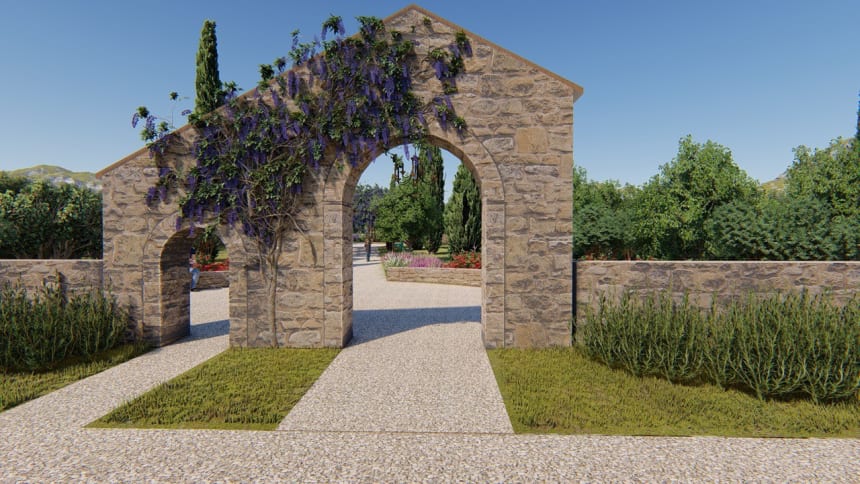
The Ideal Garden
Eco-Park in the Citrus Grove of a Peloponnese Hotel
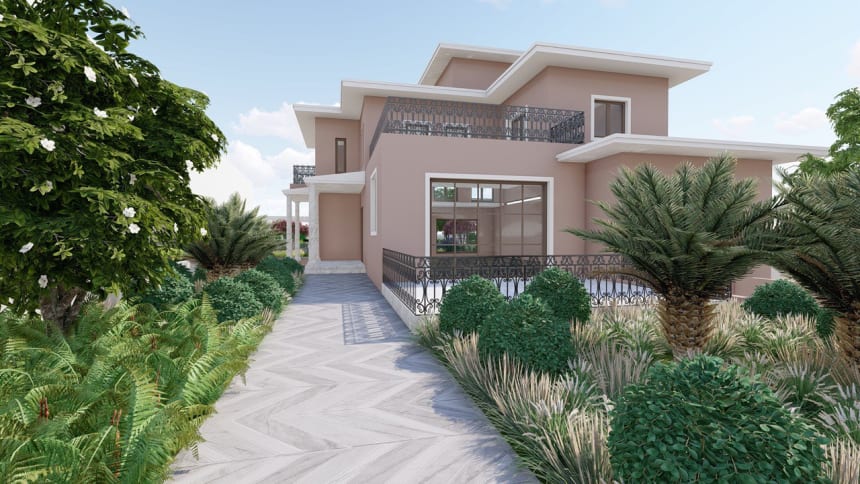
Garden Redesign
Family Garden in Glyfada

The Ideal Garden
Planting Design for a Private Boutique Hotel

Container Gardens


