Jacaranda mimosifolia
Jacaranda
Light
Full sun
Origin
South America
Watering
Drought tolerant
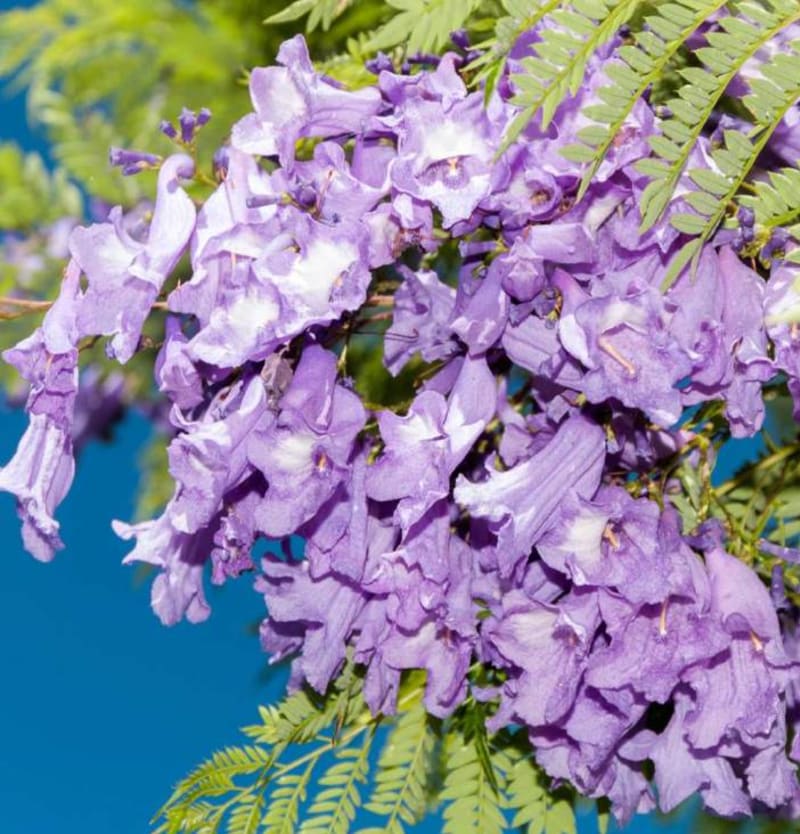
A breathtaking ornamental tree known for its explosion of lavender-blue flowers that blanket its branches from April to June. Its fern-like foliage adds a light, airy texture.
Jacaranda is one of the most spectacular flowering trees of Mediterranean cities, producing a complete canopy of intense lavender-blue trumpet flowers from late spring through early summer — typically May to June in the western Mediterranean, late spring to early summer in coastal Greece. The bloom lasts 4–6 weeks and is followed by feathery bipinnate leaves that provide light dappled shade through summer. The tree is briefly deciduous in late autumn, dropping all leaves over a few weeks. Hardy to -3°C in established specimens, jacaranda tolerates drought, urban pollution, alkaline soil and reflected heat from paving and walls. Frost damage to young plants is common and recovery slow.
Mature jacaranda reaches 10–15 m tall and as wide, forming a graceful vase-shaped canopy that lifts as it ages. Plant as a major street tree along driveways and entry avenues; as a single specimen in a courtyard where the dropped flowers form a famous lavender carpet on paving each spring; or in pairs framing a view. The strong horizontal canopy contrasts beautifully with the vertical lines of Cupressus sempervirens and Phoenix canariensis. Underplant with summer-flowering perennials that bloom after the jacaranda flowers fall — Agapanthus, Gaura lindheimeri, Lavandula, Salvia microphylla — for a sequential flowering display. Site over hardstanding rather than lawn, as the dropped blooms can stain grass and the fallen leaves persist on the ground for weeks.
Our Mediterranean projects
All Projects →
Garden Redesign
Rose Garden Reconstruction for a Monastery-Style Hotel, Peloponnese
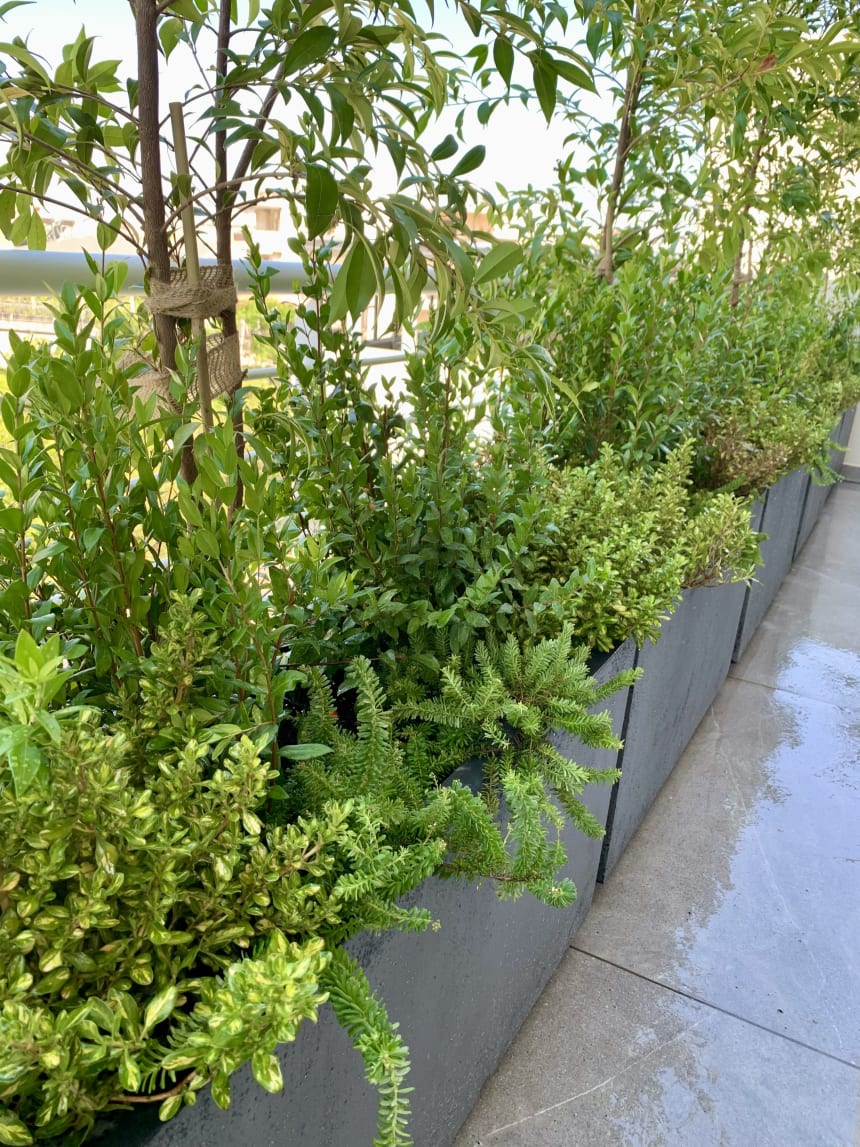
Container Gardens
Office Garden. Glyfada, Athens

The Ideal Garden
Part of a Four-Level Planting Design Project for a Townhouse in Kifisia
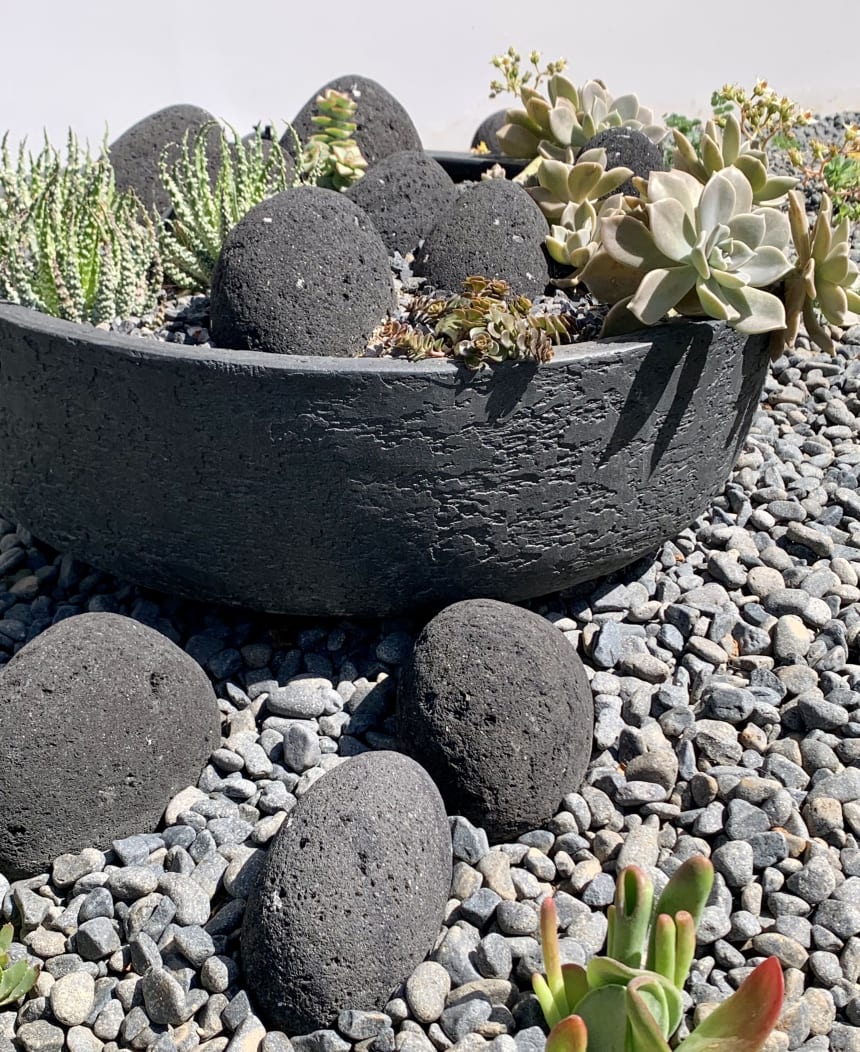
The Ideal Garden
Part of the "Family Garden in Glyfada" Project. The Stone Garden

Garden Redesign
A Small Garden Without Borders in Marousi, 1.5 Years Later
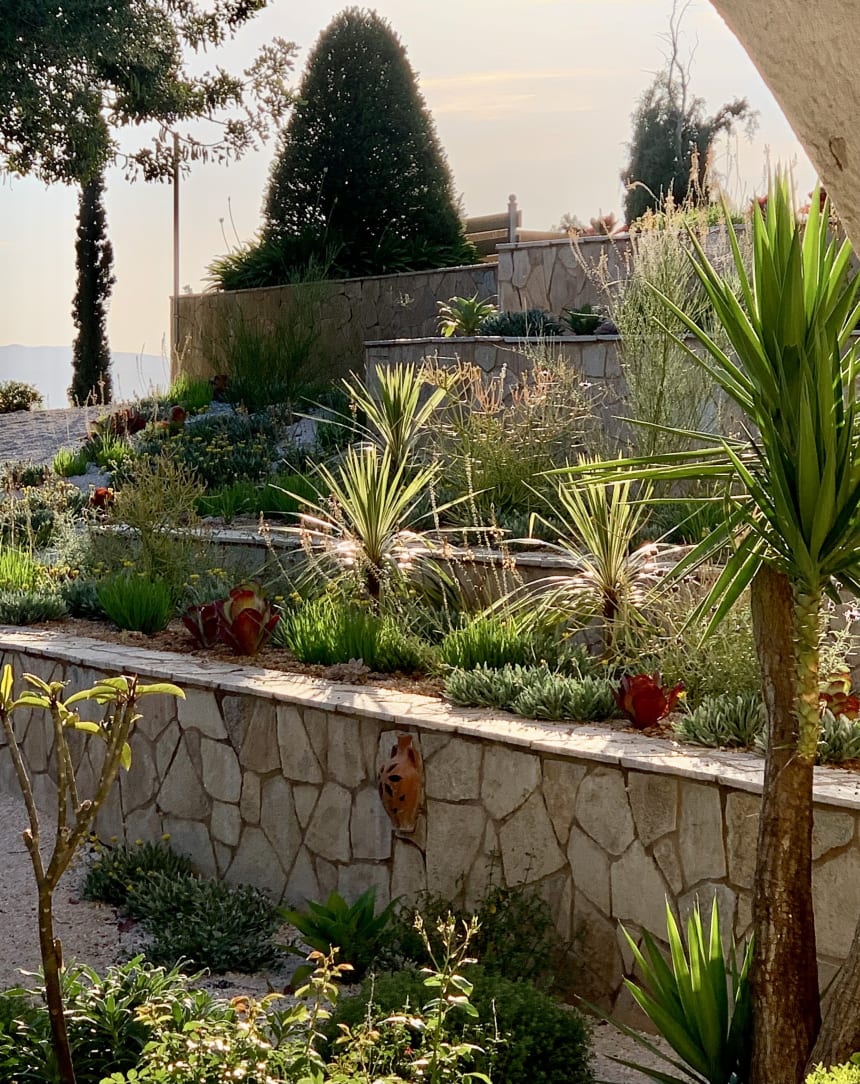
Garden Redesign
A Garden in an Olive Grove. Kalamata

Garden Redesign
Family garden in Glyfada. Project realization.
Garden Redesign
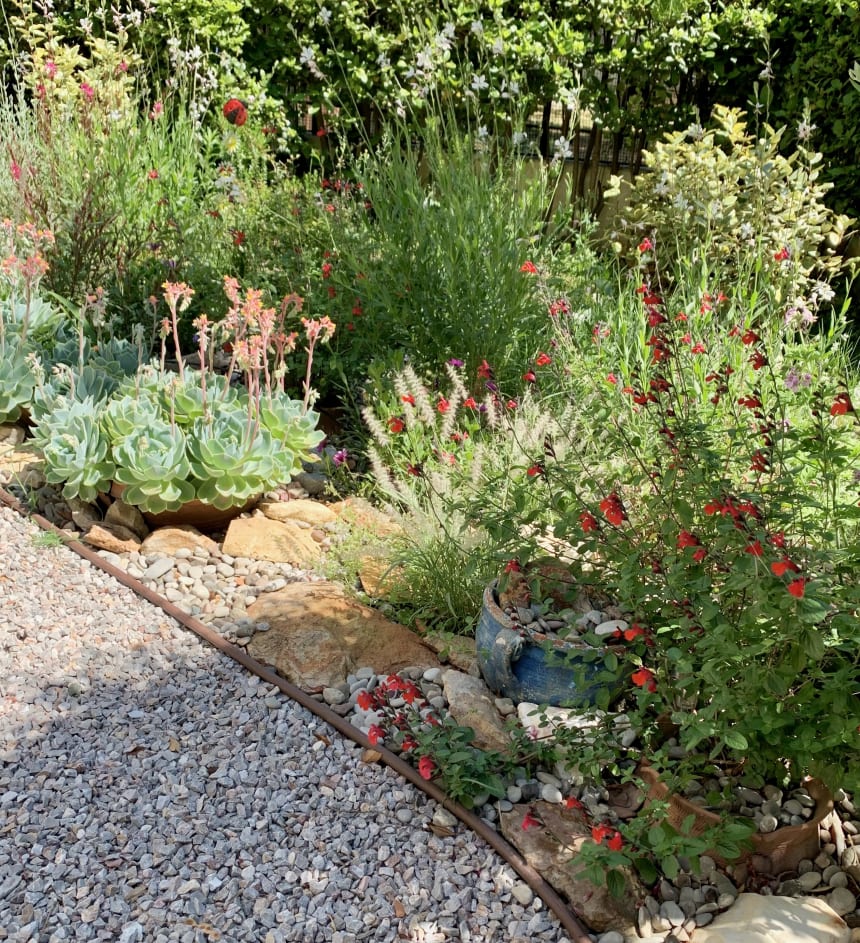
A Small Garden Without Borders in Marousi

Container Gardens
Part of a Four-Level Planting Design Project for a Townhouse, Kifisia

Container Gardens
Balcony in Kallithea
Container Gardens
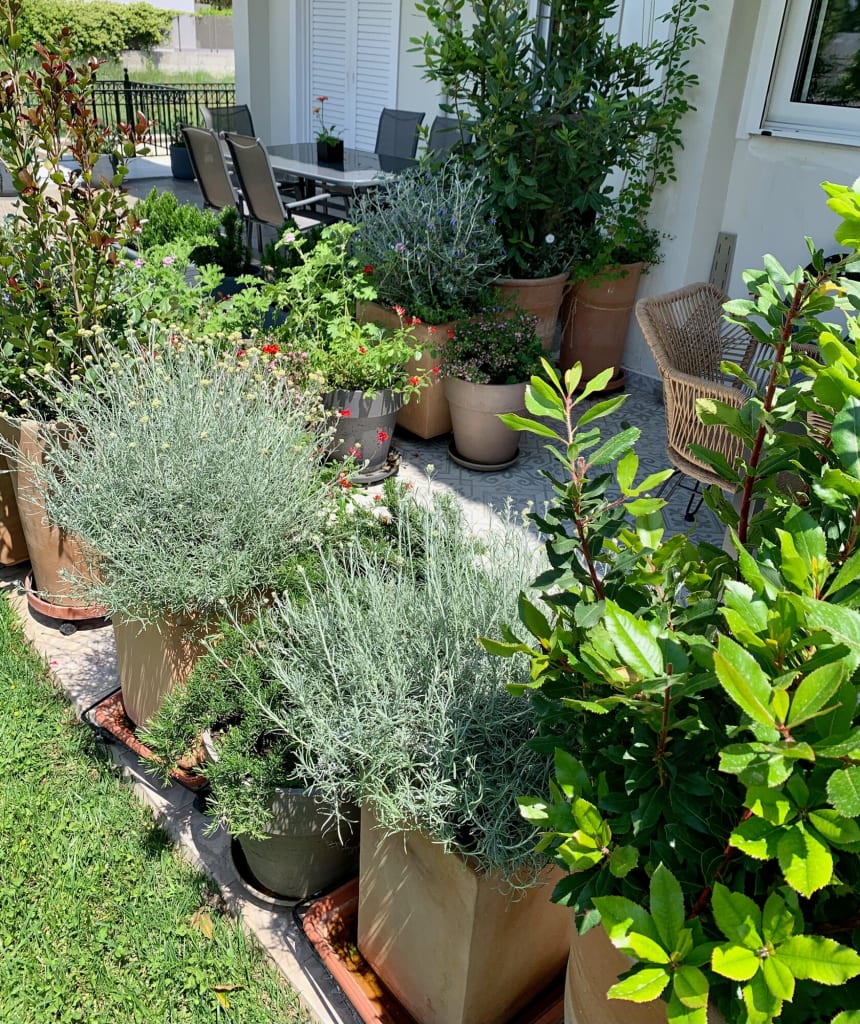
Container Garden for a Townhouse in Kifisia

Container Gardens
Container Relaxation Garden in Nea Erythraia

Container Gardens
Container Landscaping of a Shaded Terrace for a Hotel in Alimos

Container Gardens
Container Landscaping for an Outdoor Restaurant Terrace on the Waterfront in Aigio
The Ideal Garden
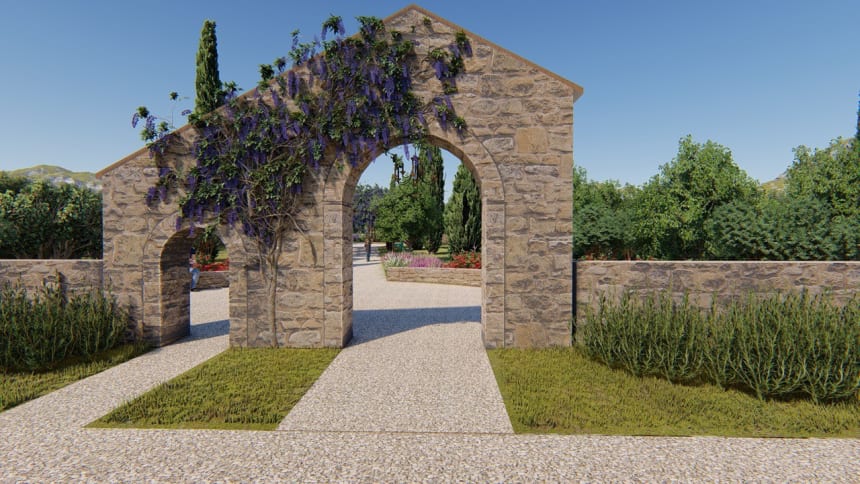
Eco-Park in the Citrus Grove of a Peloponnese Hotel
Garden Redesign
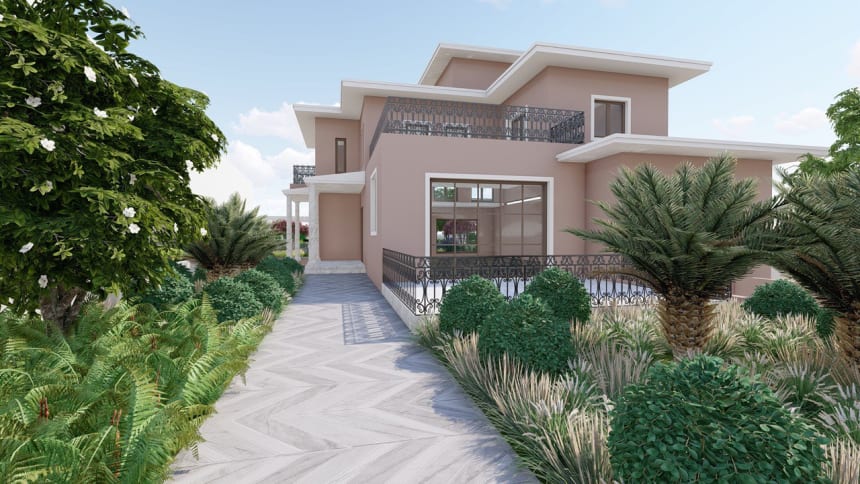
Family Garden in Glyfada

The Ideal Garden
Planting Design for a Private Boutique Hotel

Container Gardens


