Ficus nitida
Indian Laurel
Light
Full sun to part shade
Origin
Southeast Asia
Watering
Drought tolerant
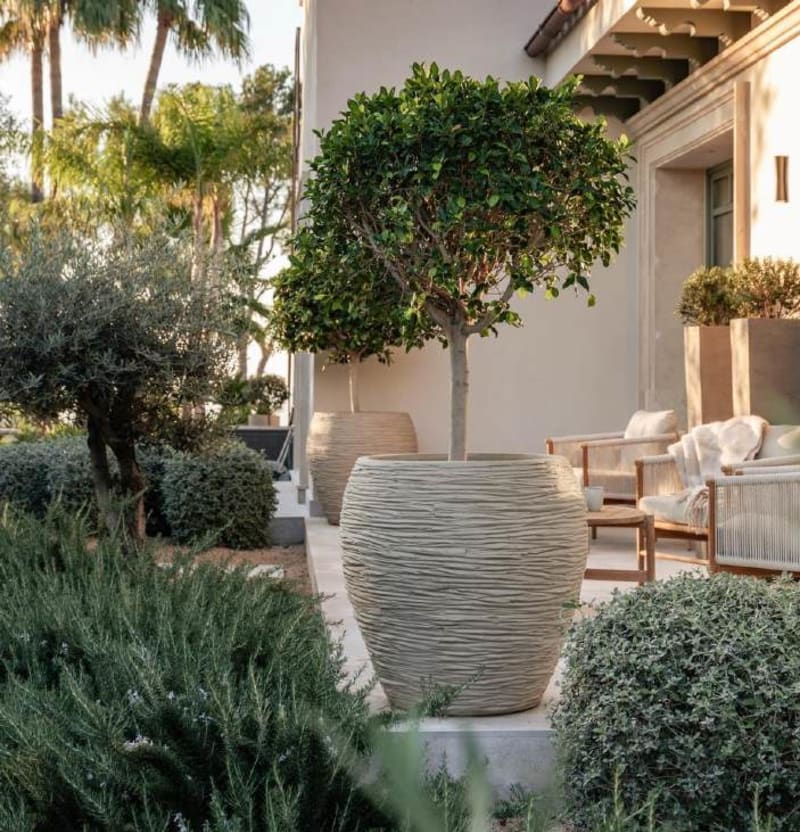
A fast-growing evergreen with a dense canopy of glossy foliage and smooth bark. Highly adaptable, it performs equally well planted in the ground or in large terrace pots and planters, where its lush, verdant form creates instant structure and presence.
Ficus nitida, often sold as Ficus microcarpa 'Nitida', is the standard street-tree and topiary fig of Mediterranean and subtropical landscapes. It produces dense year-round canopies of small dark glossy leaves and grows steadily through warm months, slowing in winter. In the Mediterranean it does not typically fruit, as its specific fig wasp pollinator is absent. The tree is highly tolerant of pruning and recovers from heavy shaping within weeks, which is why it dominates clipped formal hedges in southern Spain, Italy and Greece. Hardy to -3°C, the tree resents prolonged frost and prefers protected positions in continental climates; the aggressive surface roots can damage pavement and underground services and should be sited well away from buildings.
Used as a free-growing tree, Ficus nitida reaches 8–15 m tall with a broad rounded canopy ideal for shading streets, courtyards and large terraces. Most commonly it is clipped — as a tall hedge 2–4 m high, as a wall-trained green screen, as a cloud-pruned focal specimen, or shaped into geometric blocks and cubes for contemporary Mediterranean architecture. Pair clipped Ficus screens with white-stuccoed walls, Cupressus columns and silver-grey Olive trees for the classic contemporary Mediterranean garden look. Underplant with shade-tolerant evergreens — Aspidistra elatior, Clivia miniata, Trachelospermum jasminoides — that flourish in the deep year-round shadow. Avoid as a hedge in narrow planting strips: the surface roots need lateral space.
Our Mediterranean projects
All Projects →
Garden Redesign
Rose Garden Reconstruction for a Monastery-Style Hotel, Peloponnese
Container Gardens
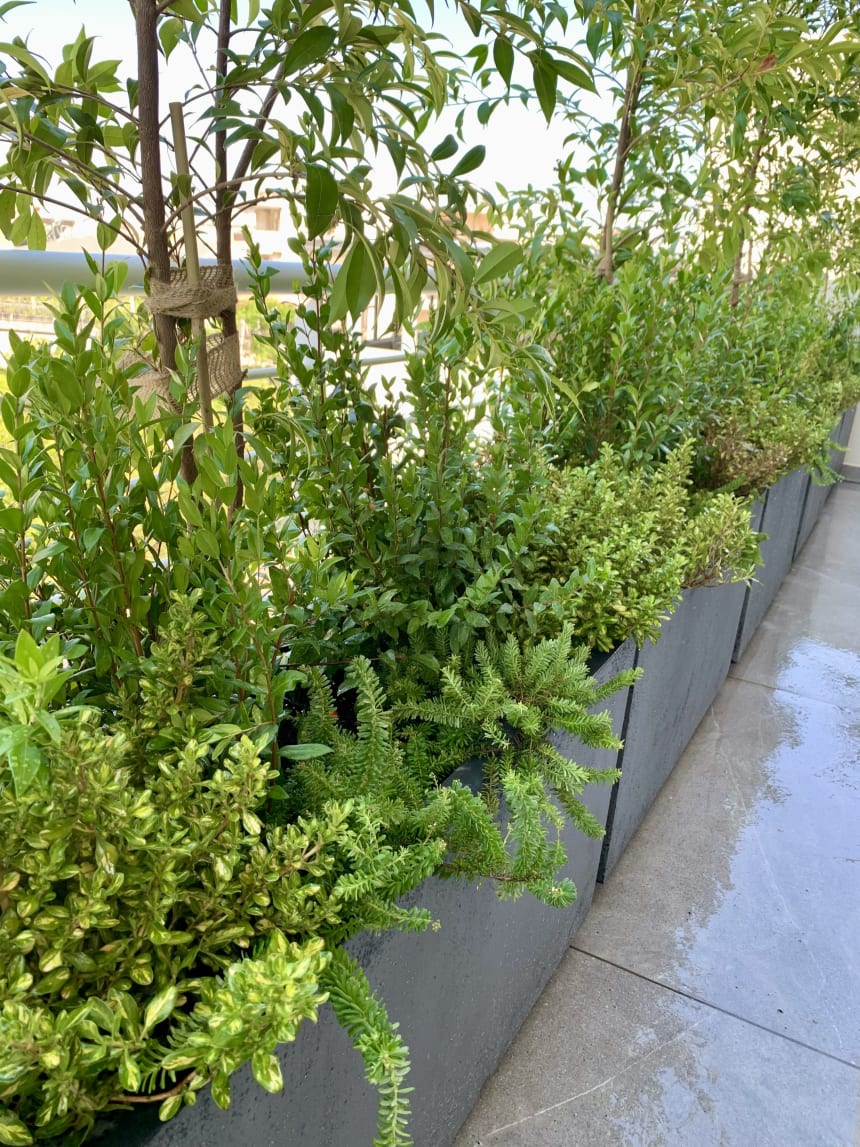
Office Garden. Glyfada, Athens

The Ideal Garden
Part of a Four-Level Planting Design Project for a Townhouse in Kifisia
The Ideal Garden
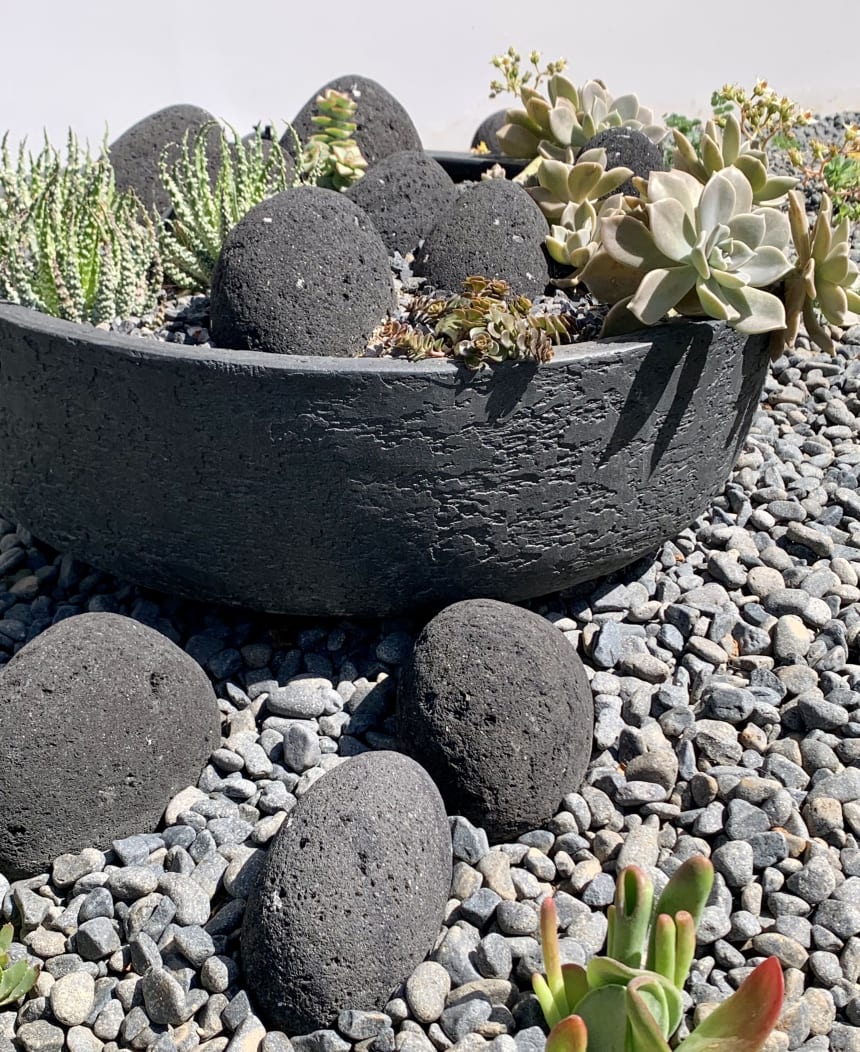
Part of the "Family Garden in Glyfada" Project. The Stone Garden

Garden Redesign
A Small Garden Without Borders in Marousi, 1.5 Years Later
Garden Redesign
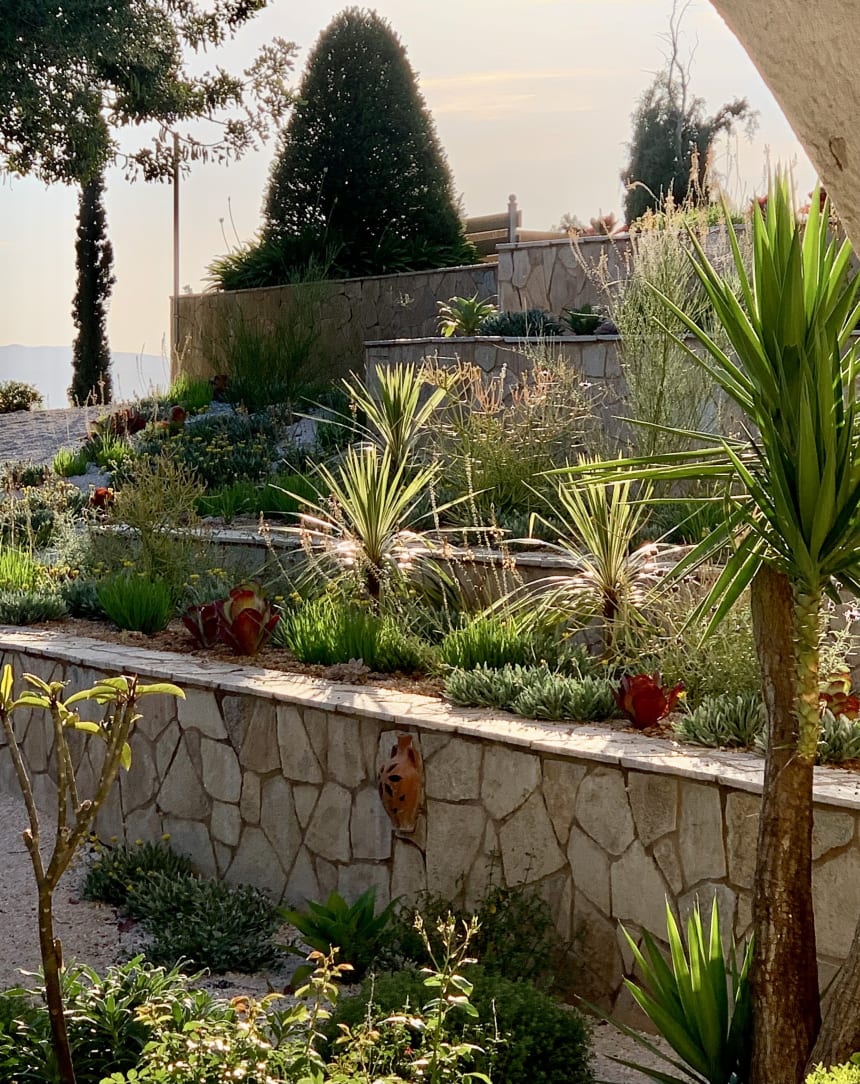
A Garden in an Olive Grove. Kalamata

Garden Redesign
Family garden in Glyfada. Project realization.
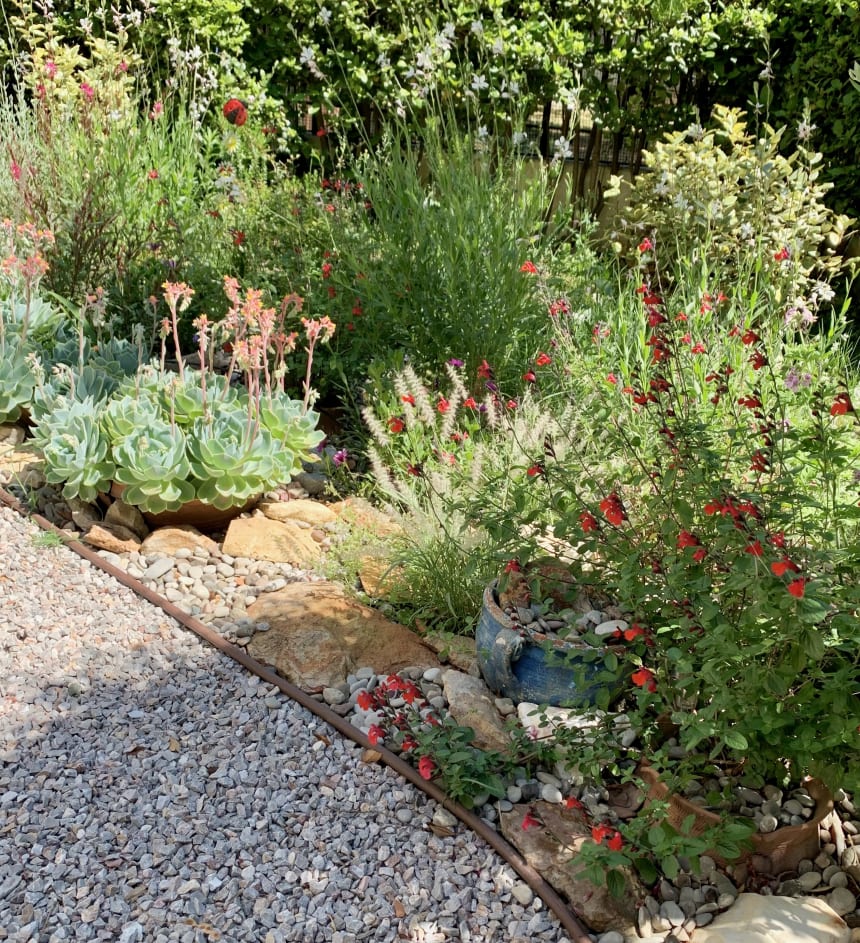
Garden Redesign
A Small Garden Without Borders in Marousi

Container Gardens
Part of a Four-Level Planting Design Project for a Townhouse, Kifisia

Container Gardens
Balcony in Kallithea
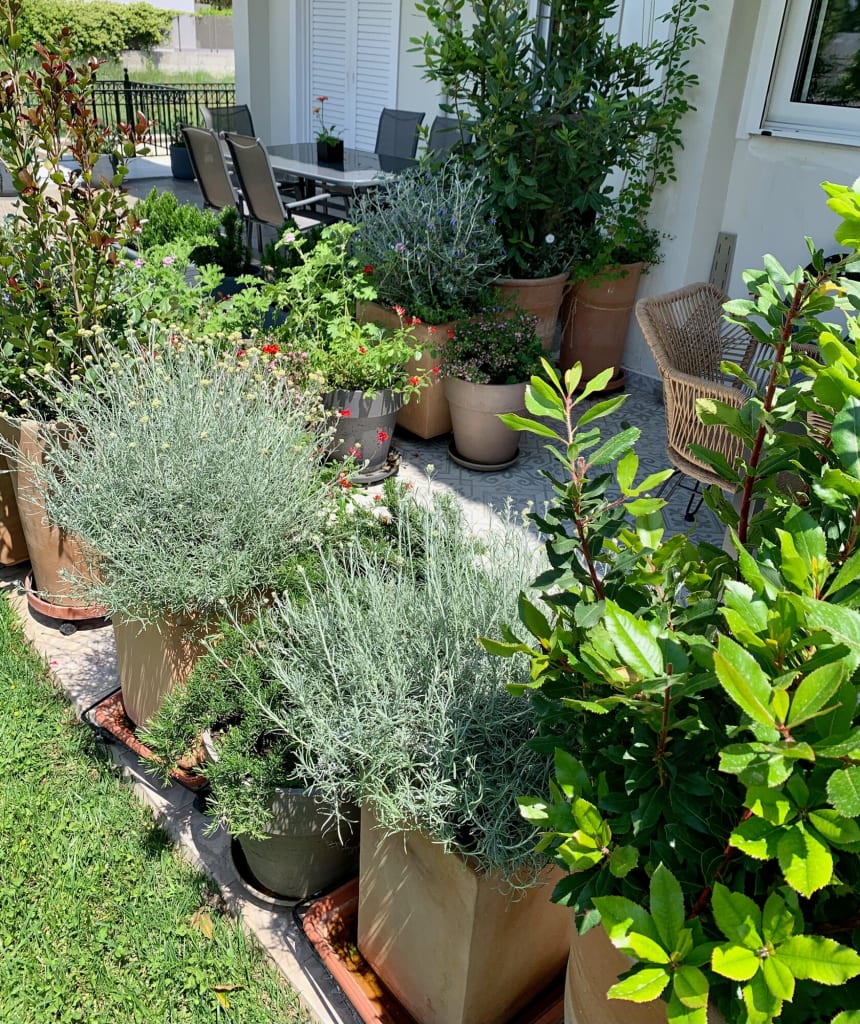
Container Gardens
Container Garden for a Townhouse in Kifisia

Container Gardens
Container Relaxation Garden in Nea Erythraia

Container Gardens
Container Landscaping of a Shaded Terrace for a Hotel in Alimos

Container Gardens
Container Landscaping for an Outdoor Restaurant Terrace on the Waterfront in Aigio
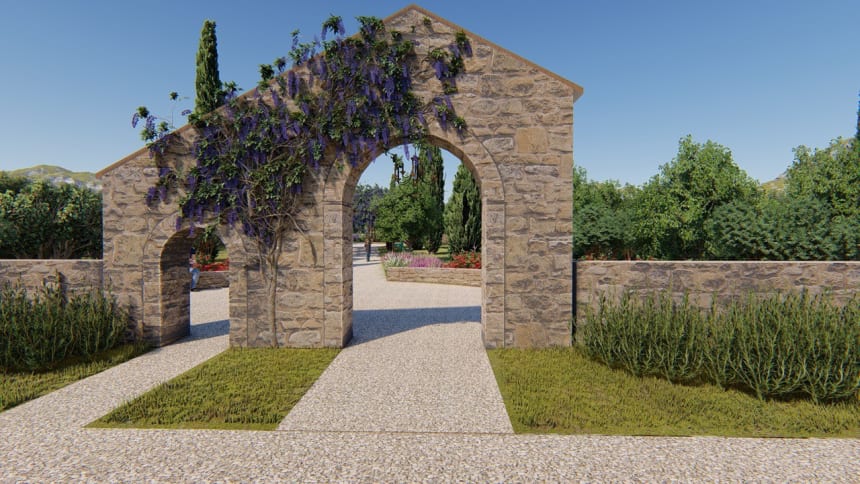
The Ideal Garden
Eco-Park in the Citrus Grove of a Peloponnese Hotel
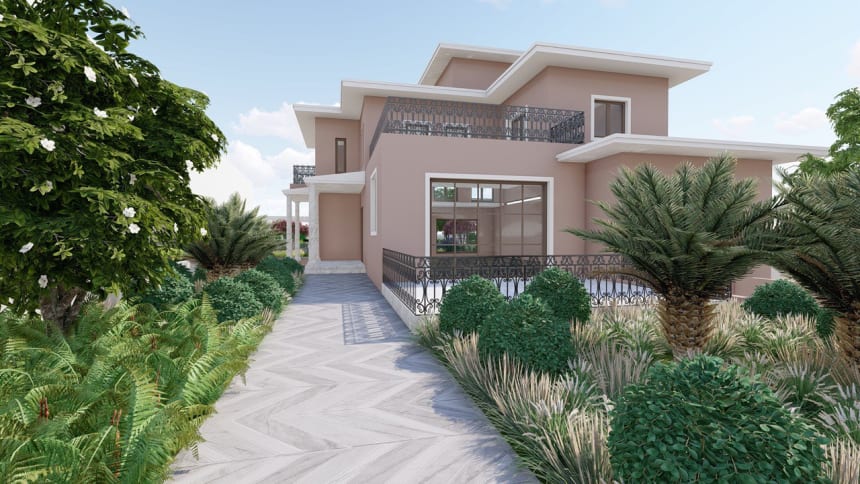
Garden Redesign
Family Garden in Glyfada

The Ideal Garden
Planting Design for a Private Boutique Hotel

Container Gardens


