Ficus carica
Common Fig
Light
Full sun
Origin
Mediterranean and Western Asia
Watering
Drought tolerant
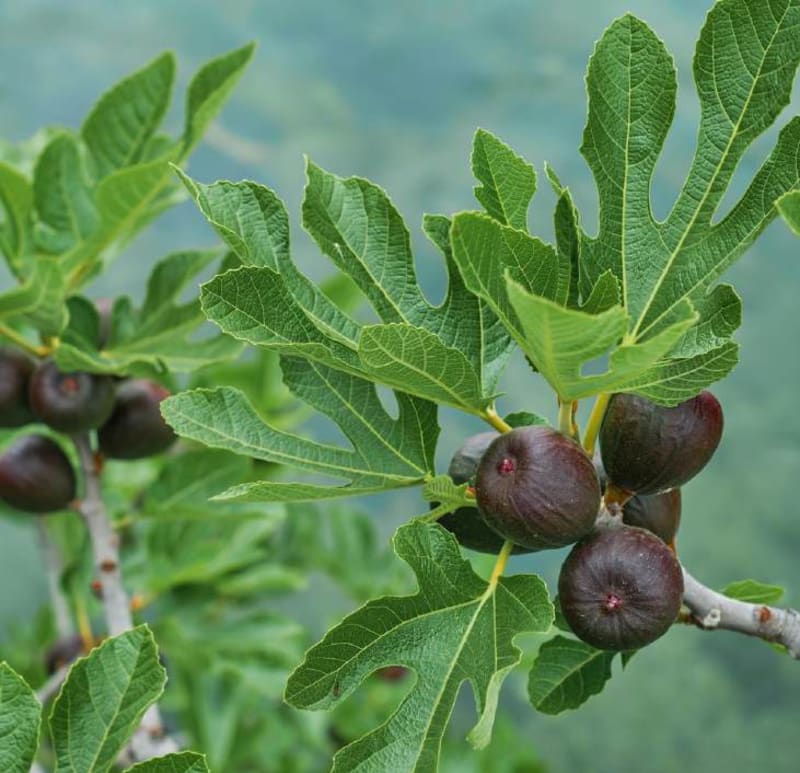
A sculptural deciduous tree with gnarled branching and large, deeply lobed leaves that cast generous dappled shade in summer. Its sweet late-season fruit makes it as productive as it is ornamental.
The common fig is one of the oldest cultivated plants of the Mediterranean basin, with archaeological evidence of cultivation going back 11,000 years. In the Mediterranean climate it produces two crops: 'breba' figs ripen on last year's wood in June, and the main crop ripens on current-season wood from August through October. The deeply lobed leaves are deciduous, dropping in late autumn and re-emerging in late spring; the bare winter silhouette of pale grey branches is distinctive. Hardy to -12°C, the fig tolerates poor soil, drought, alkaline conditions and heavy summer pruning. The latex sap from broken stems and leaves is irritating to skin in strong sun.
Figs reach 4–8 m tall and wide with a spreading low-branched habit, ideal for casting deep summer shade over terraces, dining areas and seating zones. Train as a single specimen with a clear trunk, or allow multi-stemmed growth as a large shrub against a south-facing wall — espalier-trained figs against warm masonry are a classic Italian and Greek garden tradition. Plant near outdoor dining where the fragrant leaves and ripening fruits can be enjoyed in late summer. Underplant with shallow-rooted, summer-dormant companions — Crocus, Iris reticulata, Erigeron karvinskianus — that won't compete with the fig's surface roots. The dark sculptural bare winter form contrasts beautifully with the evergreen verticals of Cupressus and the silver-grey of Olea europaea.
Our Mediterranean projects
All Projects →
Garden Redesign
Rose Garden Reconstruction for a Monastery-Style Hotel, Peloponnese
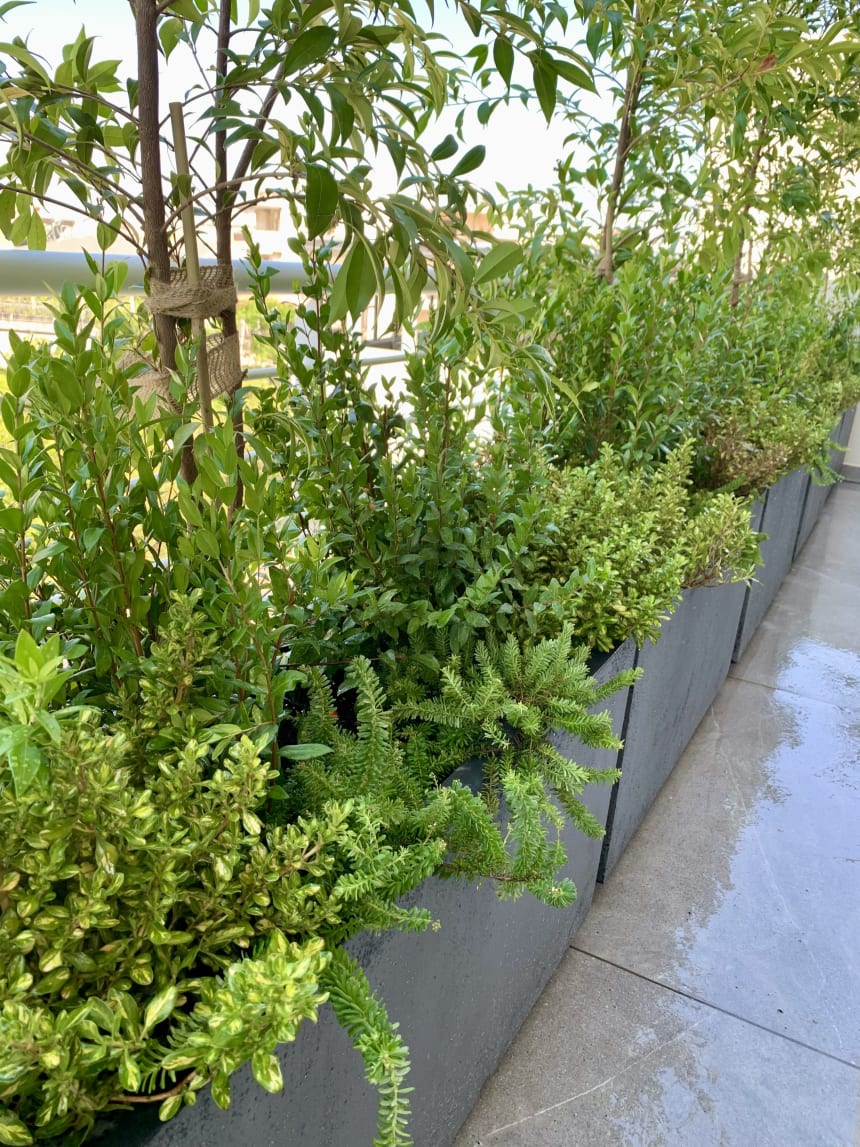
Container Gardens
Office Garden. Glyfada, Athens

The Ideal Garden
Part of a Four-Level Planting Design Project for a Townhouse in Kifisia
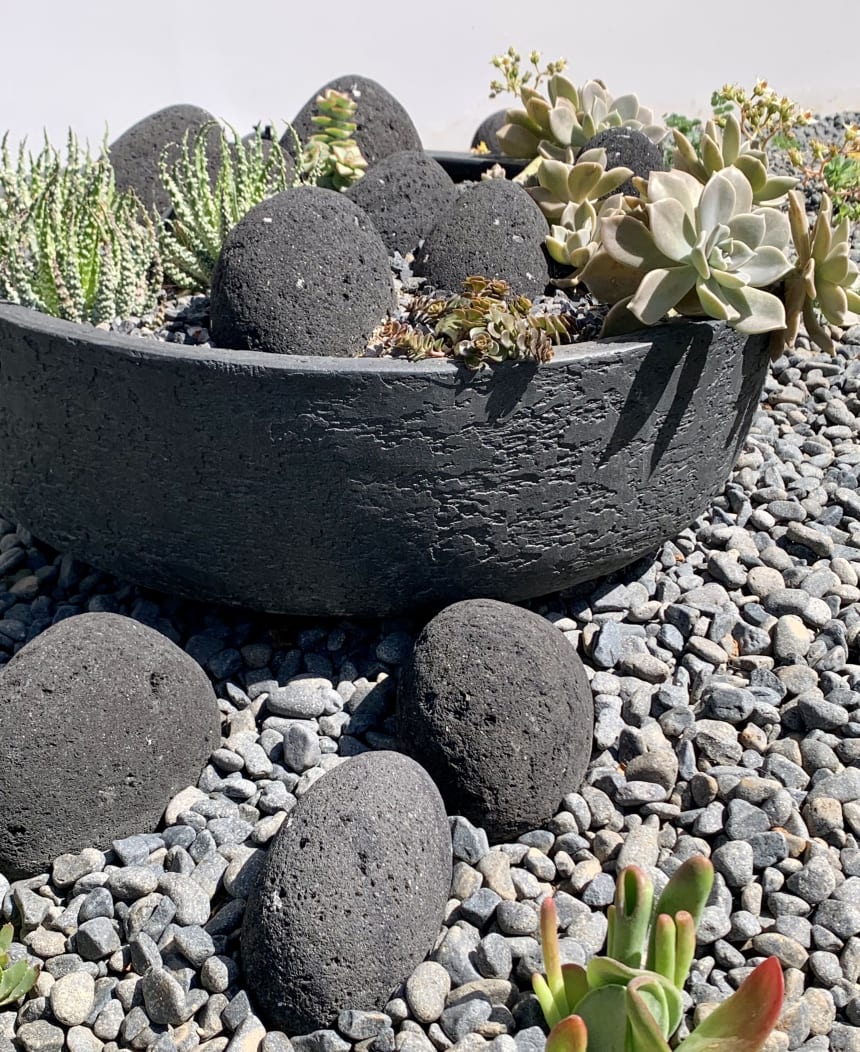
The Ideal Garden
Part of the "Family Garden in Glyfada" Project. The Stone Garden

Garden Redesign
A Small Garden Without Borders in Marousi, 1.5 Years Later
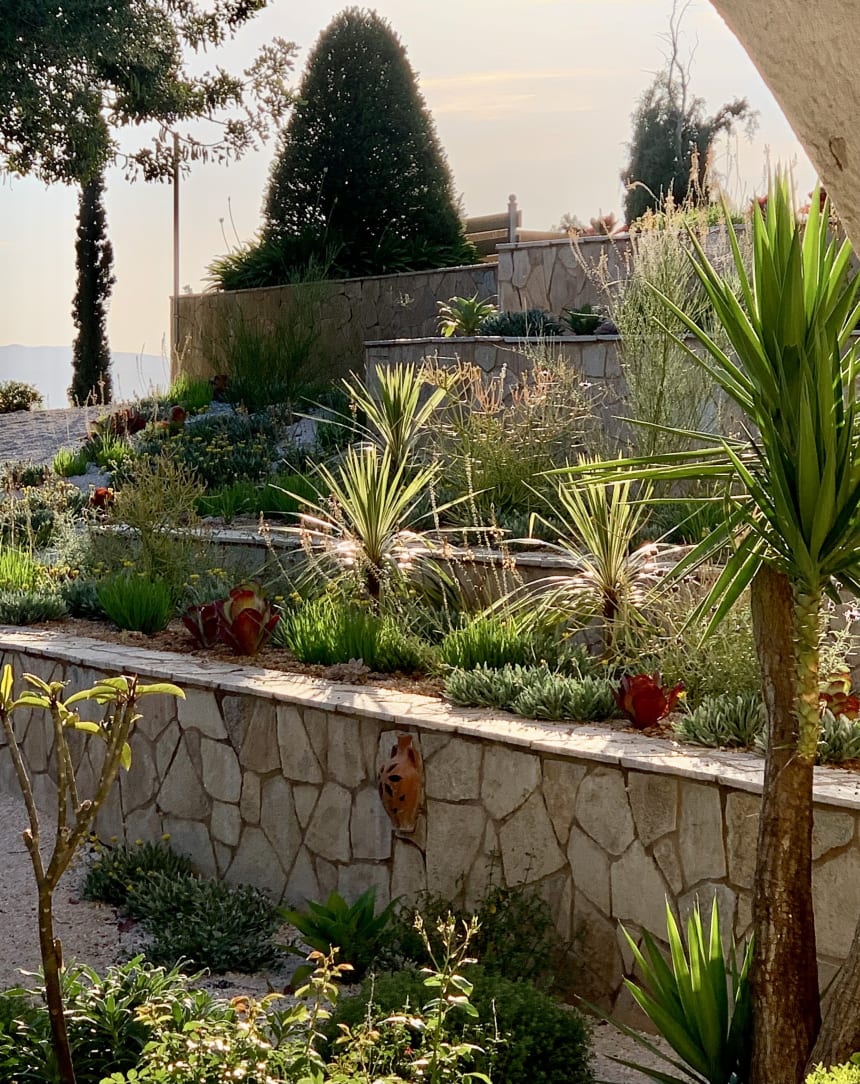
Garden Redesign
A Garden in an Olive Grove. Kalamata

Garden Redesign
Family garden in Glyfada. Project realization.
Garden Redesign
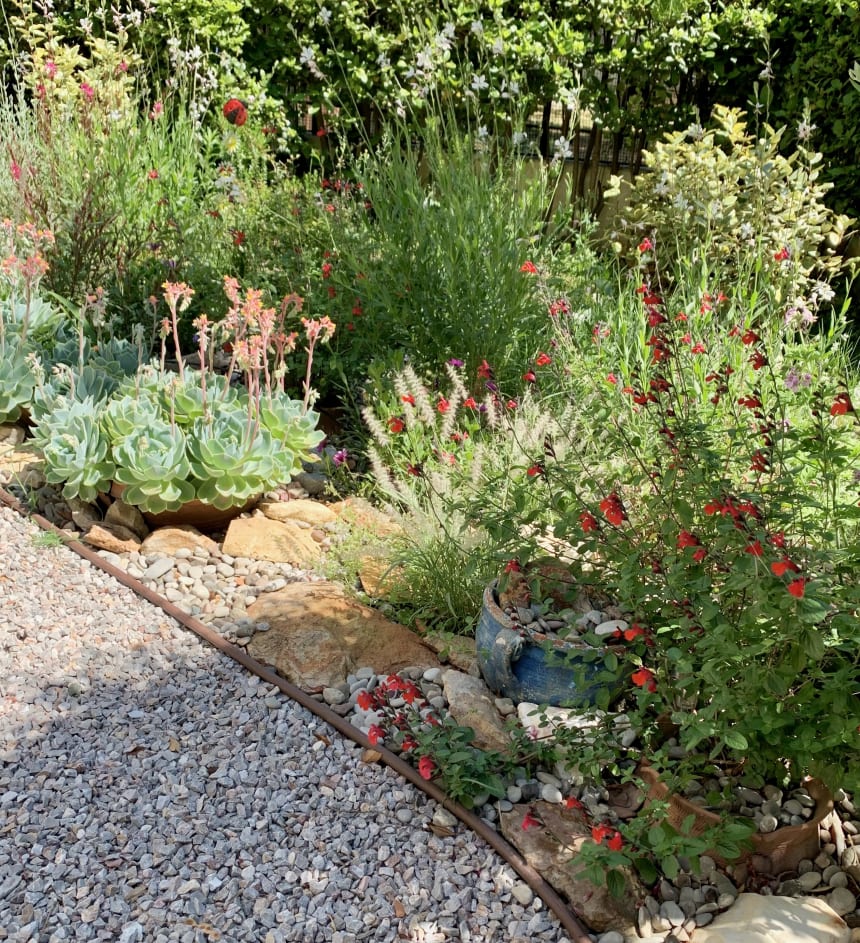
A Small Garden Without Borders in Marousi

Container Gardens
Part of a Four-Level Planting Design Project for a Townhouse, Kifisia

Container Gardens
Balcony in Kallithea
Container Gardens
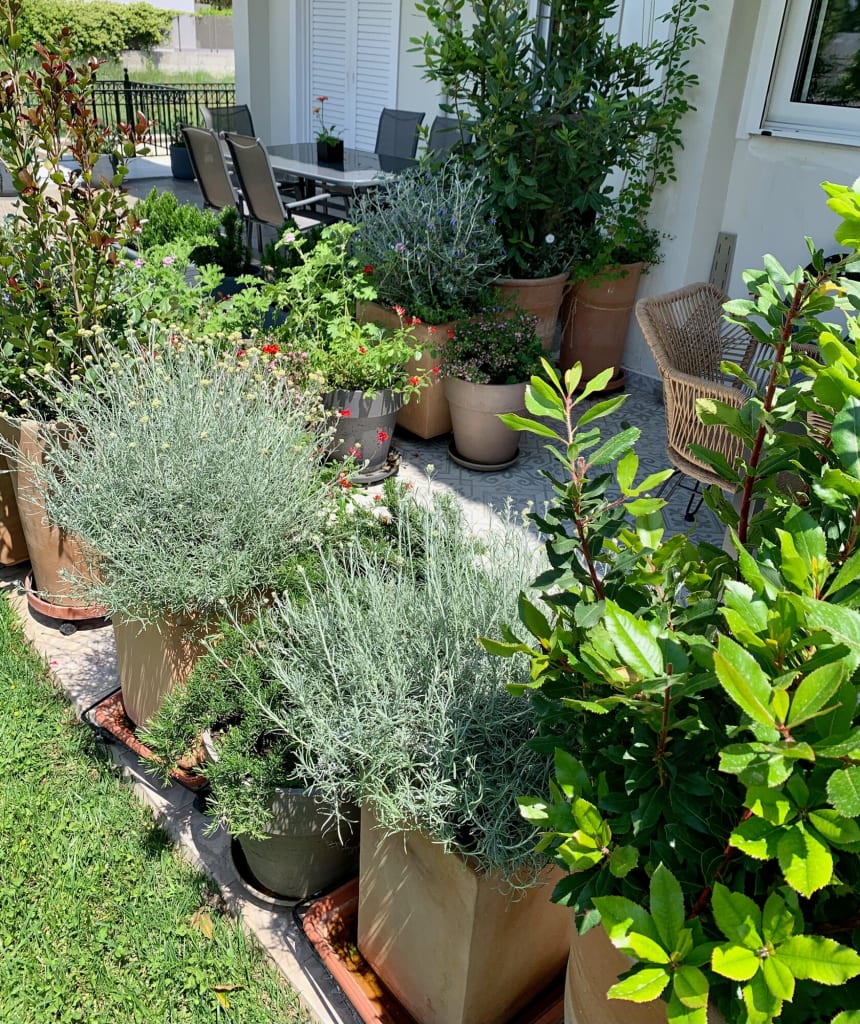
Container Garden for a Townhouse in Kifisia

Container Gardens
Container Relaxation Garden in Nea Erythraia

Container Gardens
Container Landscaping of a Shaded Terrace for a Hotel in Alimos

Container Gardens
Container Landscaping for an Outdoor Restaurant Terrace on the Waterfront in Aigio
The Ideal Garden
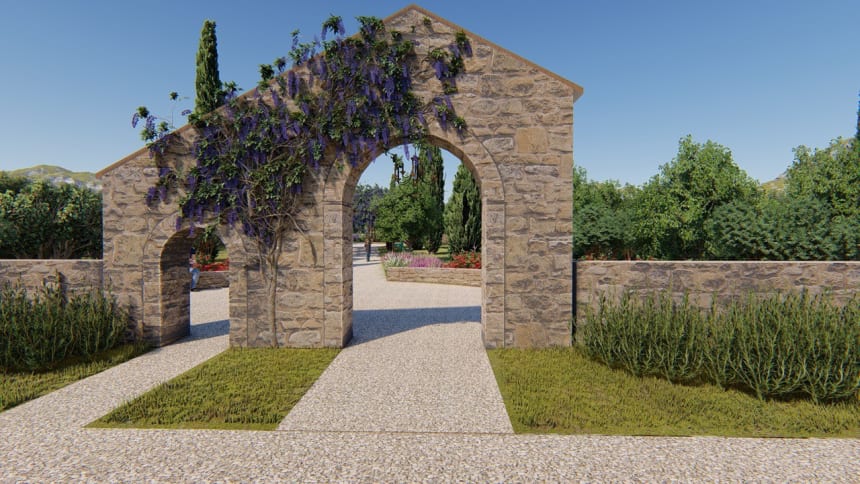
Eco-Park in the Citrus Grove of a Peloponnese Hotel
Garden Redesign
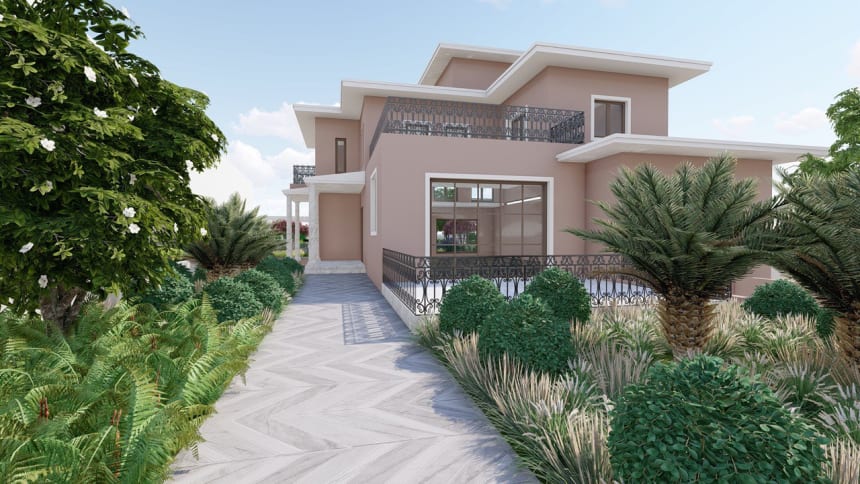
Family Garden in Glyfada

The Ideal Garden
Planting Design for a Private Boutique Hotel

Container Gardens


