Cycas revoluta
Sago Palm
Light
Full sun to part shade
Origin
Japan
Watering
Drought tolerant
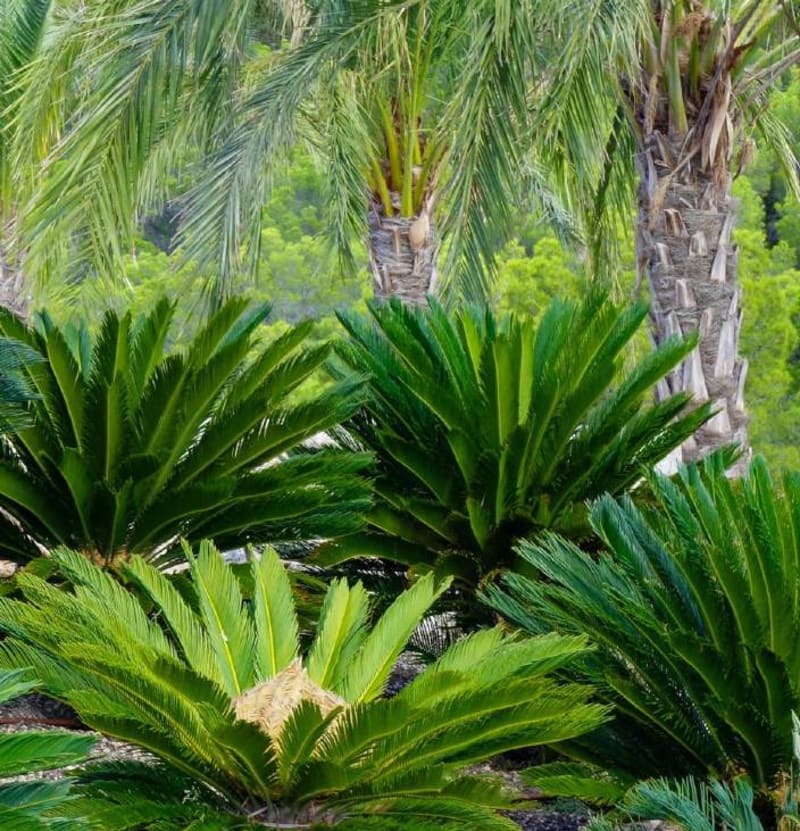
A striking, slow-growing evergreen with dark green, feather-like fronds that give it a distinctive palm-like appearance, though it is not a true palm. It adds an exotic, tropical dimension to terraces and gardens.
Cycas revoluta is not a true palm but a primitive cycad, one of the oldest plant lineages on Earth. It produces a single rosette of stiff, glossy dark green pinnate leaves 60–120 cm long each year, slowly building a thick trunk over decades. In the Mediterranean climate it flushes new leaves in late spring and again sometimes in autumn; the rest of the year it remains in elegant suspended animation. Mature plants are dioecious: male cones are pineapple-shaped and yellow, female cones are large yellow-orange globes with bright red seeds. Hardy to -10°C, the plant tolerates drought, coastal exposure, alkaline soil and full sun once established, though young plants benefit from afternoon shade.
Sago palm grows extremely slowly — about 2–3 cm of trunk per year — reaching 1.5–3 m tall over many decades. Its perfect symmetry and prehistoric character make it a high-impact specimen plant in formal Mediterranean compositions. Use in pairs flanking pool steps, entry gates and pergola pillars; in low geometric arrangements in courtyards; or as a single sculptural focus in a gravel garden. The dark glossy leaves contrast strikingly with pale stone, white-washed walls and silver-grey foliage of Olea europaea, Lavandula and Senecio. Excellent in large terracotta containers, where the slow growth means the plant remains a designed scale-element for many years. Note: all parts are highly toxic to dogs.
Our Mediterranean projects
All Projects →
Garden Redesign
Rose Garden Reconstruction for a Monastery-Style Hotel, Peloponnese
Container Gardens
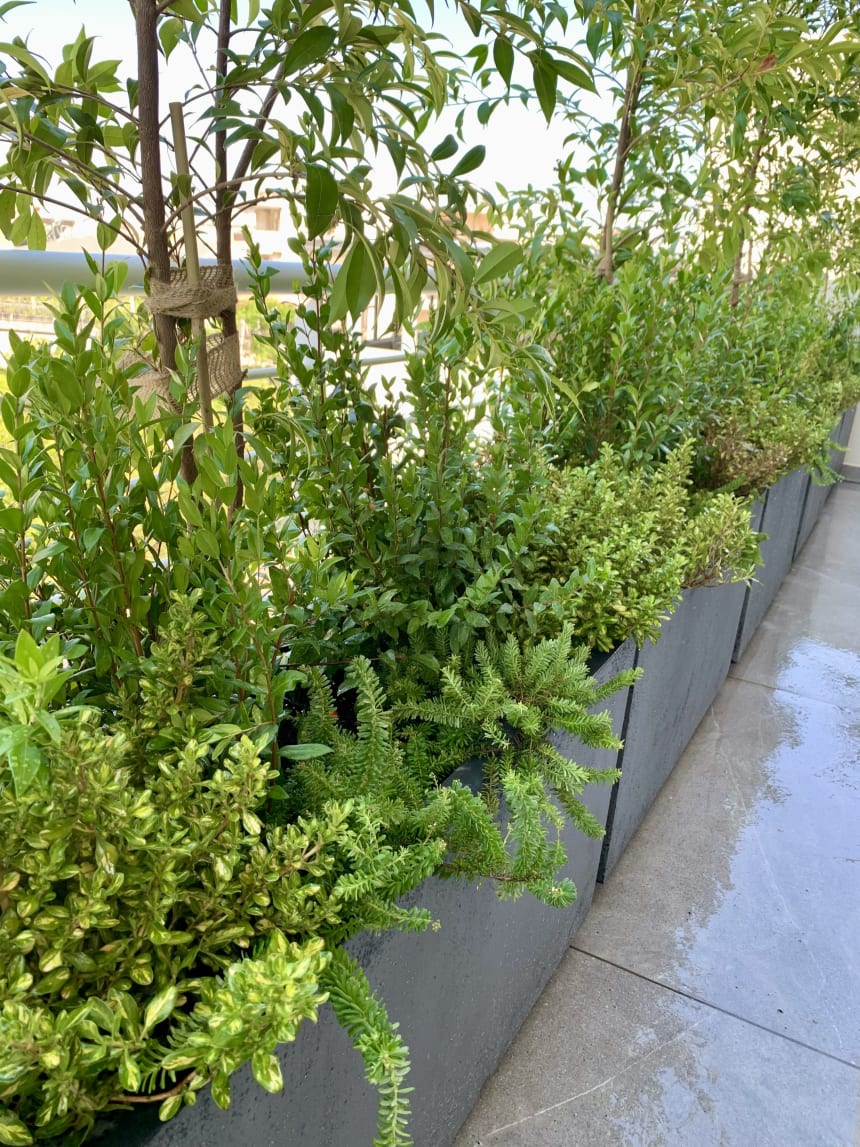
Office Garden. Glyfada, Athens

The Ideal Garden
Part of a Four-Level Planting Design Project for a Townhouse in Kifisia
The Ideal Garden
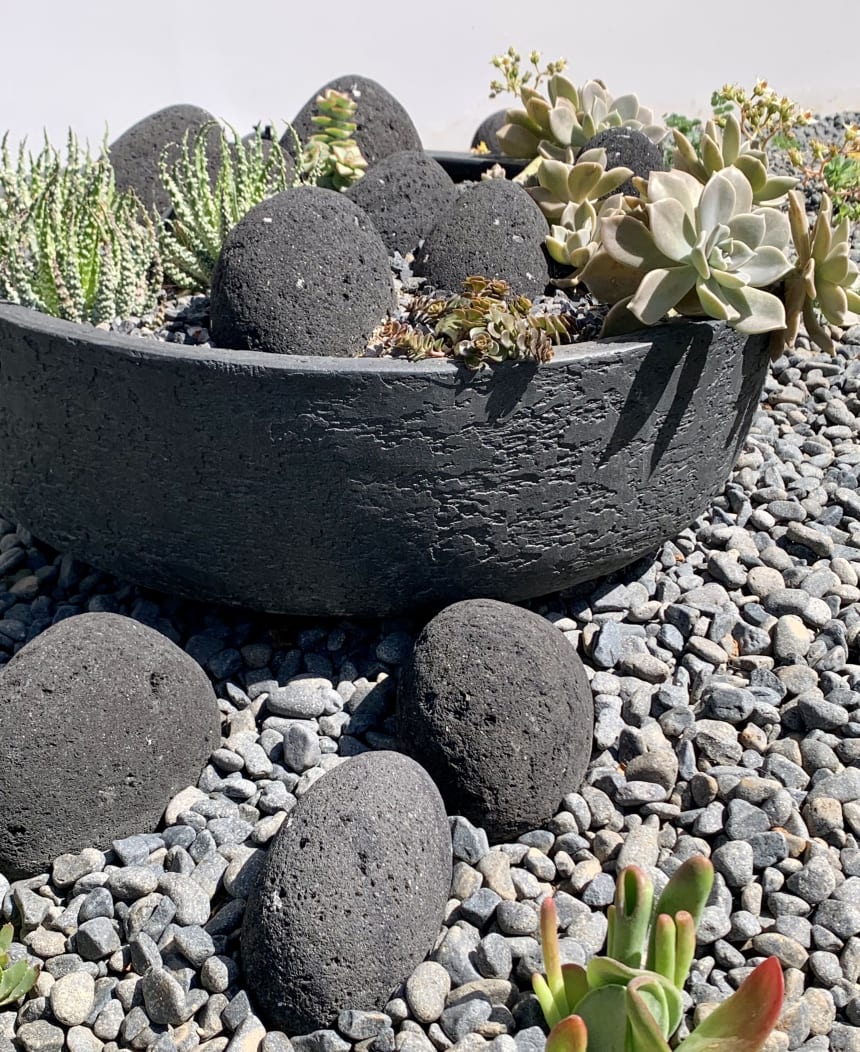
Part of the "Family Garden in Glyfada" Project. The Stone Garden

Garden Redesign
A Small Garden Without Borders in Marousi, 1.5 Years Later
Garden Redesign
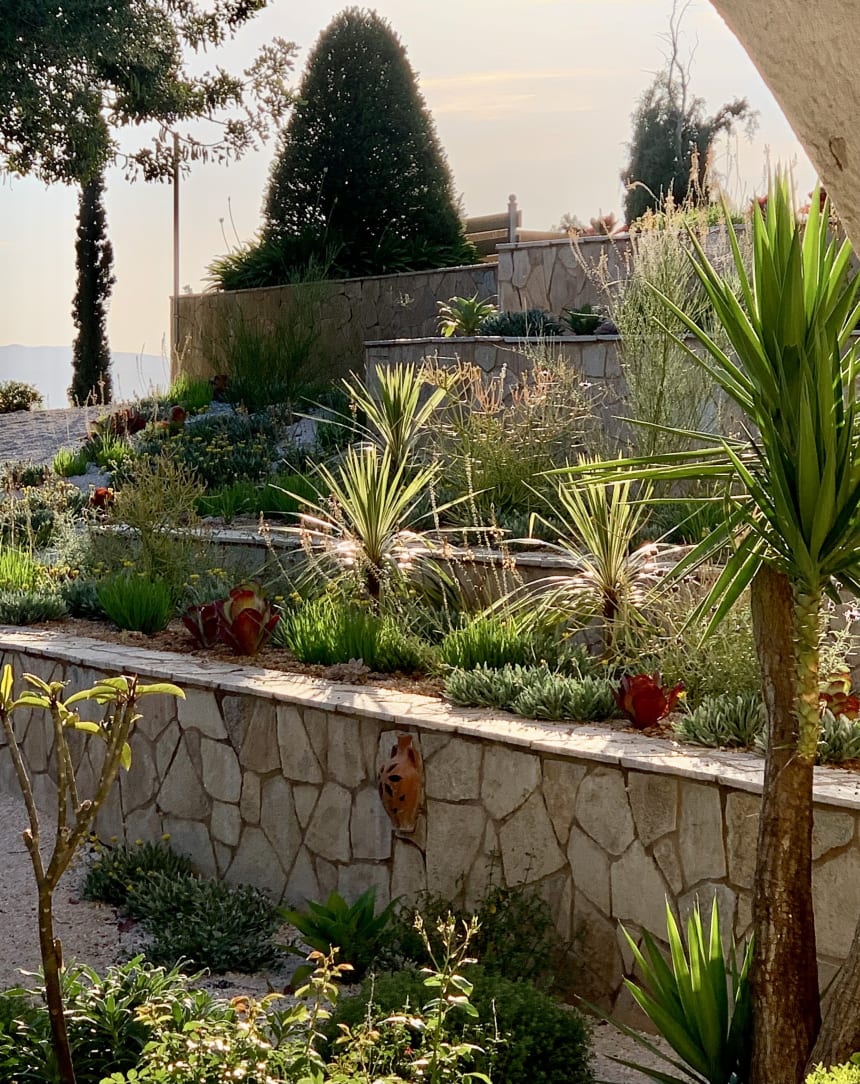
A Garden in an Olive Grove. Kalamata

Garden Redesign
Family garden in Glyfada. Project realization.
Garden Redesign
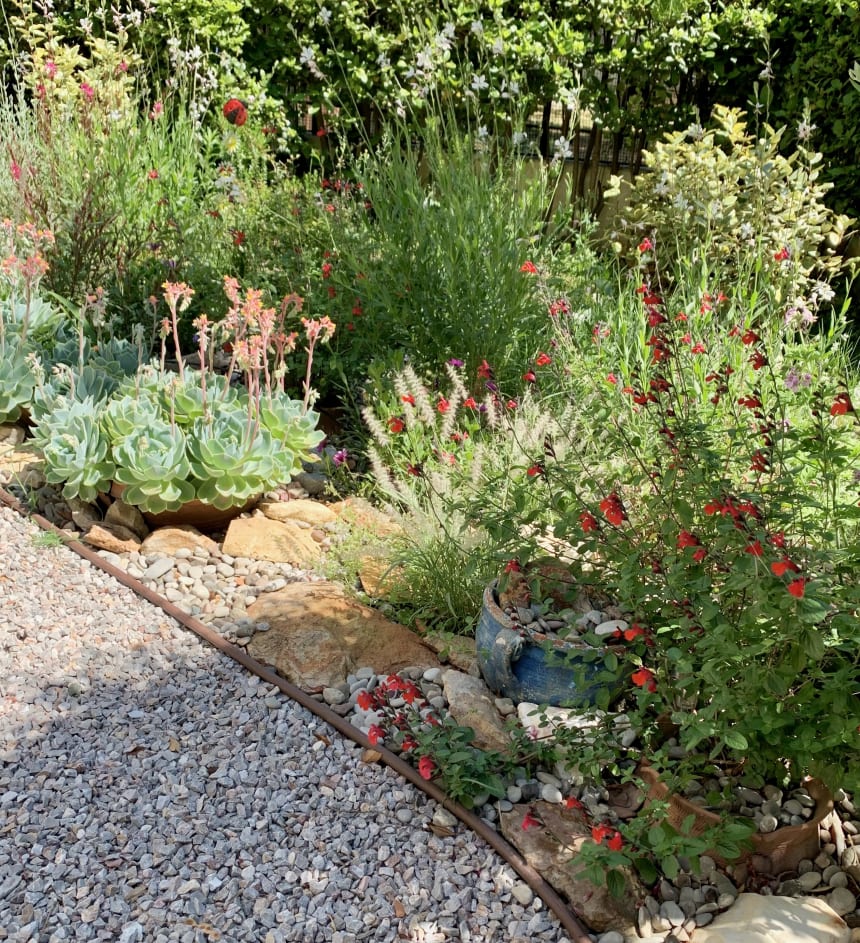
A Small Garden Without Borders in Marousi

Container Gardens
Part of a Four-Level Planting Design Project for a Townhouse, Kifisia

Container Gardens
Balcony in Kallithea
Container Gardens
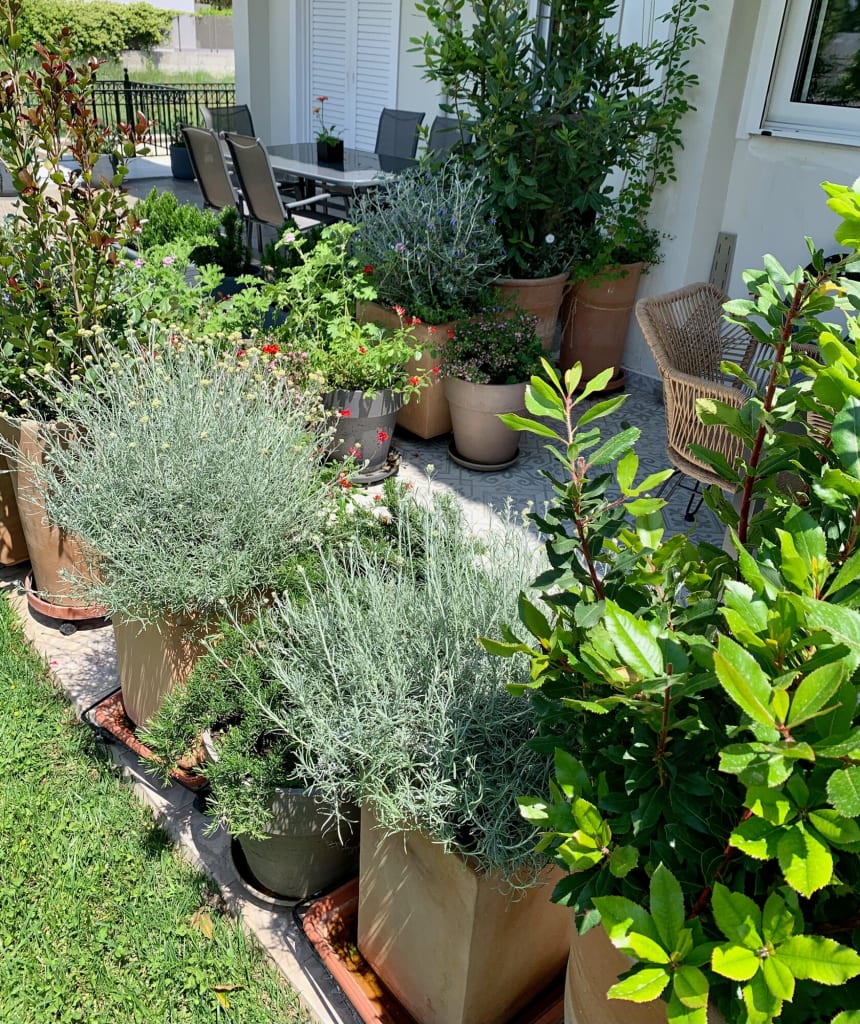
Container Garden for a Townhouse in Kifisia

Container Gardens
Container Relaxation Garden in Nea Erythraia

Container Gardens
Container Landscaping of a Shaded Terrace for a Hotel in Alimos

Container Gardens
Container Landscaping for an Outdoor Restaurant Terrace on the Waterfront in Aigio
The Ideal Garden
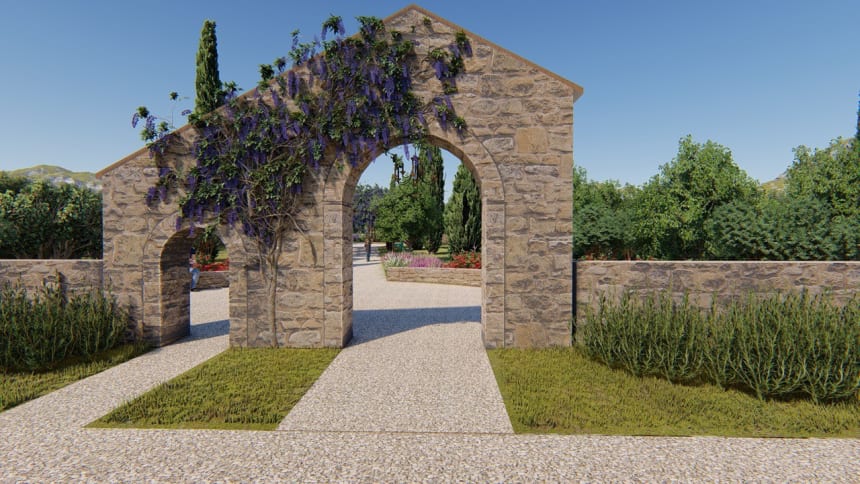
Eco-Park in the Citrus Grove of a Peloponnese Hotel
Garden Redesign
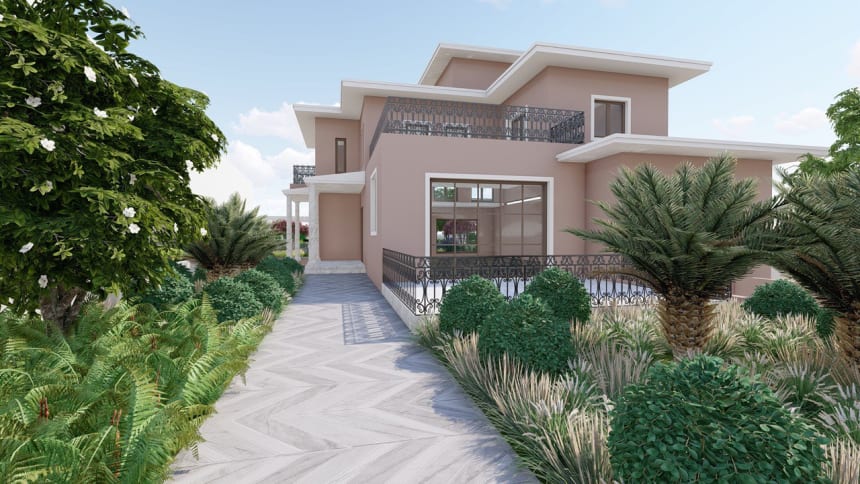
Family Garden in Glyfada

The Ideal Garden
Planting Design for a Private Boutique Hotel

Container Gardens


