Citrus spp.
Citrus Tree
Light
Full sun
Origin
Asia, primarily India, Myanmar and China
Watering
Regular watering
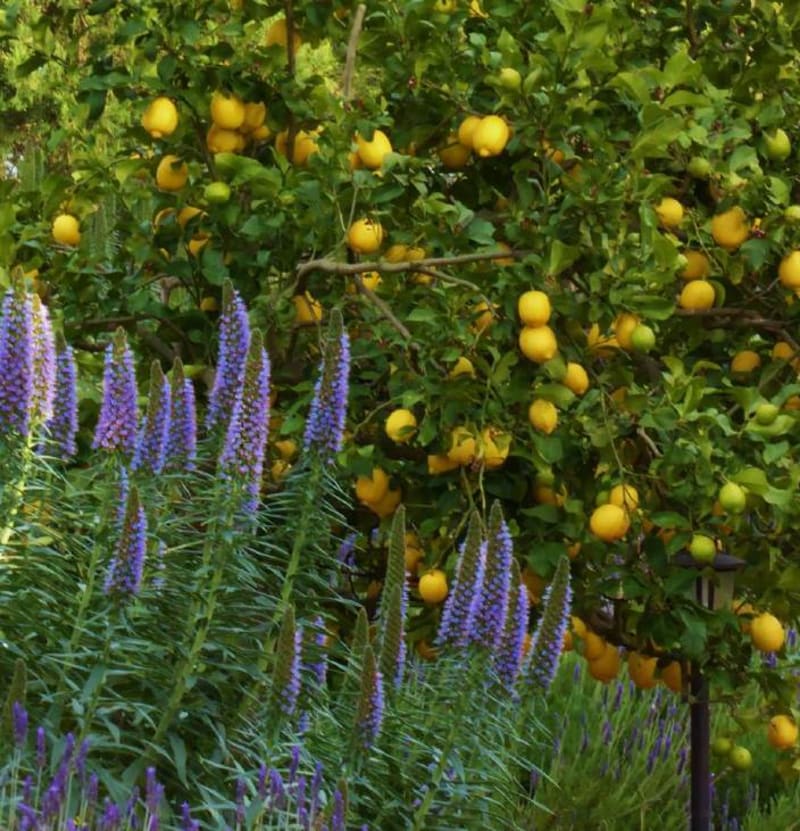
An essential Mediterranean garden tree — whether lemon, orange, mandarin or grapefruit — valued for its glossy evergreen leaves, fragrant flowers and bright, edible fruit. It delivers beauty and a rich sensory experience throughout the seasons.
Citrus is the quintessential Mediterranean fruit tree — orange, lemon, lime, mandarin, grapefruit and kumquat all thrive in the region's mild winters and hot dry summers. Flowering occurs in spring with intensely fragrant white blossoms; fruit ripens from late autumn through winter and can persist on the tree well into the following spring, providing continuous colour and harvest. Citrus is sensitive to frost — most species are damaged below -2°C, with lemons most susceptible and oranges the toughest — and benefits from south-facing sites sheltered from cold winds. The dark glossy evergreen foliage is decorative year-round, and the trees are heavy feeders requiring nitrogen-rich fertiliser and consistent summer water for good fruit set.
Most citrus varieties reach 3–6 m in the ground but can be kept at 1.5–2 m in large containers, where they make a defining feature of Mediterranean terraces, courtyards and entry zones. Plant a single specimen as a fragrant focal point near a doorway or seating area, group three or five for a small orchard, or train against a warm wall as a fan-trained espalier — a classic Italian garden technique. Underplant with shallow-rooted bulbs (Narcissus, Iris reticulata) and aromatic herbs (Thymus, Origanum) that benefit from the light dappled shade. Combine with Bougainvillea on adjacent walls for the iconic Mediterranean scent-and-colour composition of bitter orange blossom against magenta bracts.
Our Mediterranean projects
All Projects →
Garden Redesign
Rose Garden Reconstruction for a Monastery-Style Hotel, Peloponnese
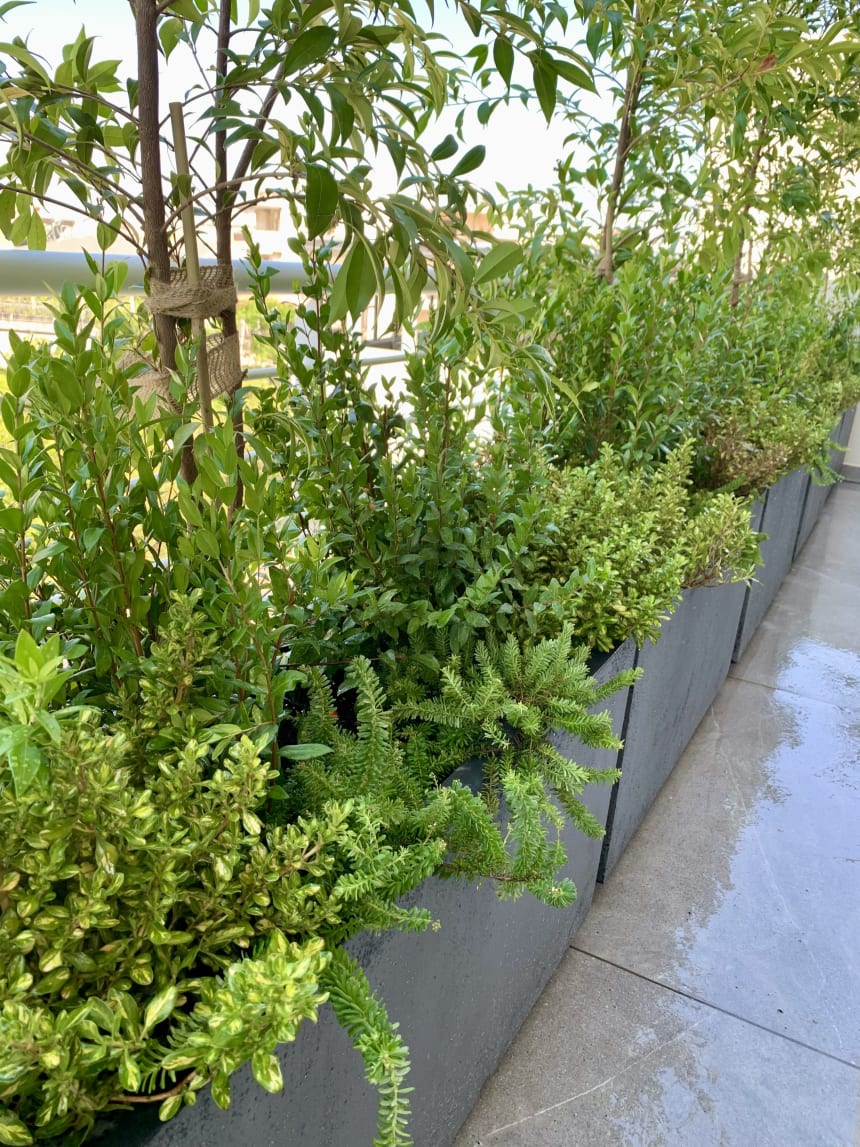
Container Gardens
Office Garden. Glyfada, Athens

The Ideal Garden
Part of a Four-Level Planting Design Project for a Townhouse in Kifisia
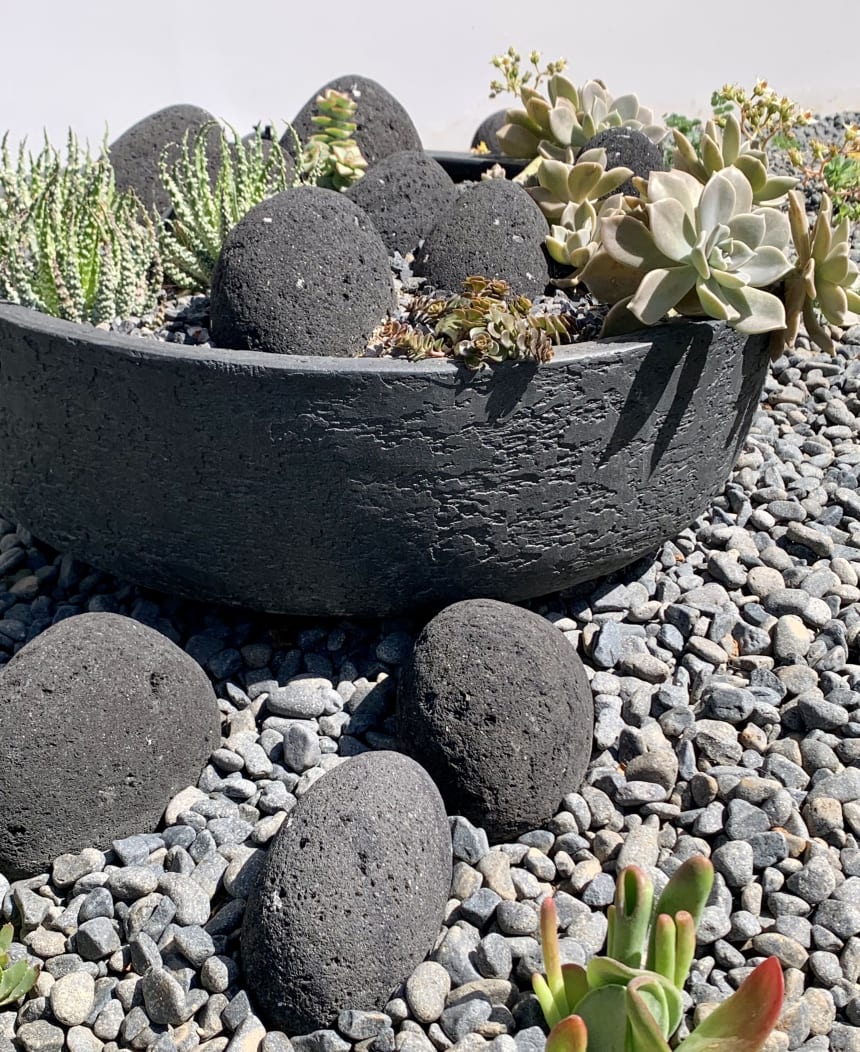
The Ideal Garden
Part of the "Family Garden in Glyfada" Project. The Stone Garden

Garden Redesign
A Small Garden Without Borders in Marousi, 1.5 Years Later
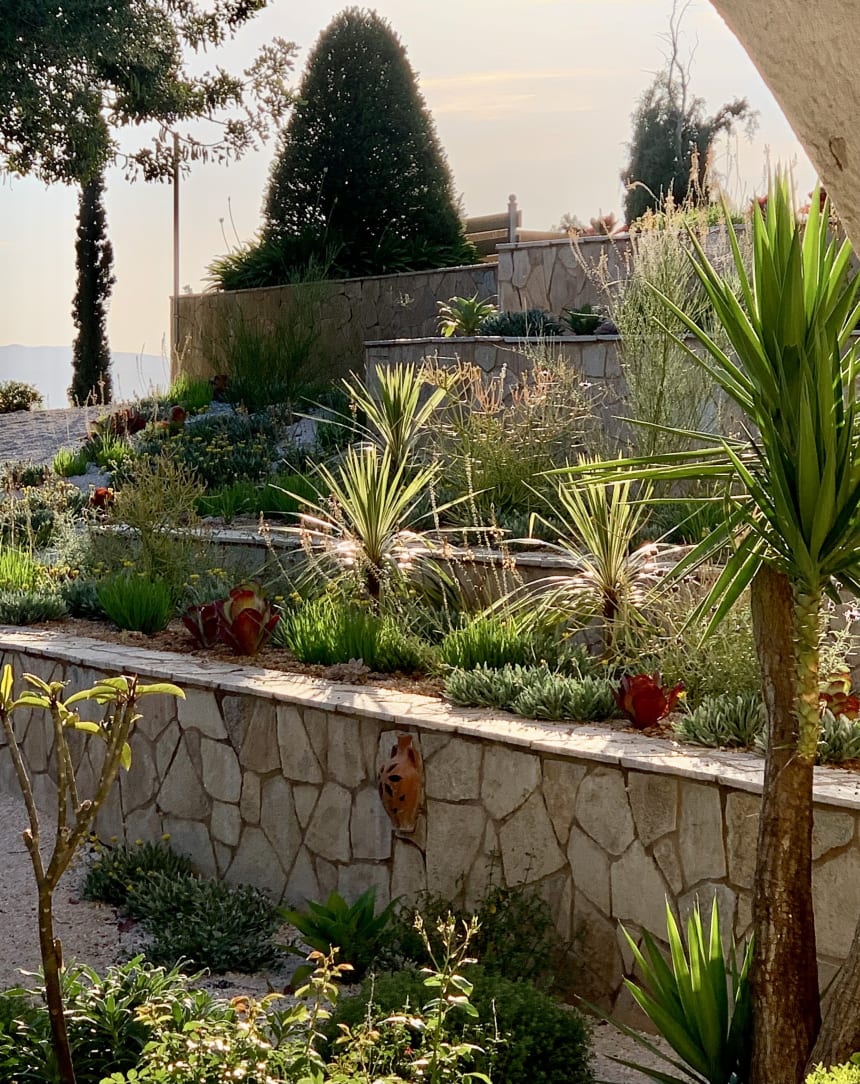
Garden Redesign
A Garden in an Olive Grove. Kalamata

Garden Redesign
Family garden in Glyfada. Project realization.
Garden Redesign
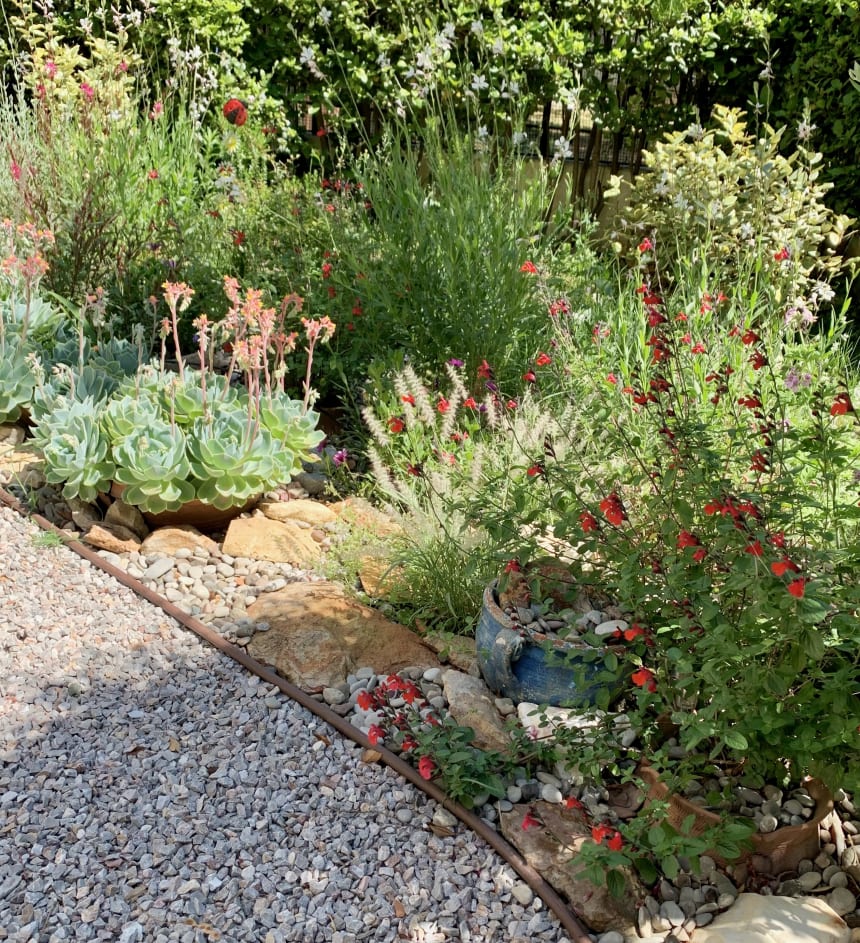
A Small Garden Without Borders in Marousi

Container Gardens
Part of a Four-Level Planting Design Project for a Townhouse, Kifisia

Container Gardens
Balcony in Kallithea
Container Gardens
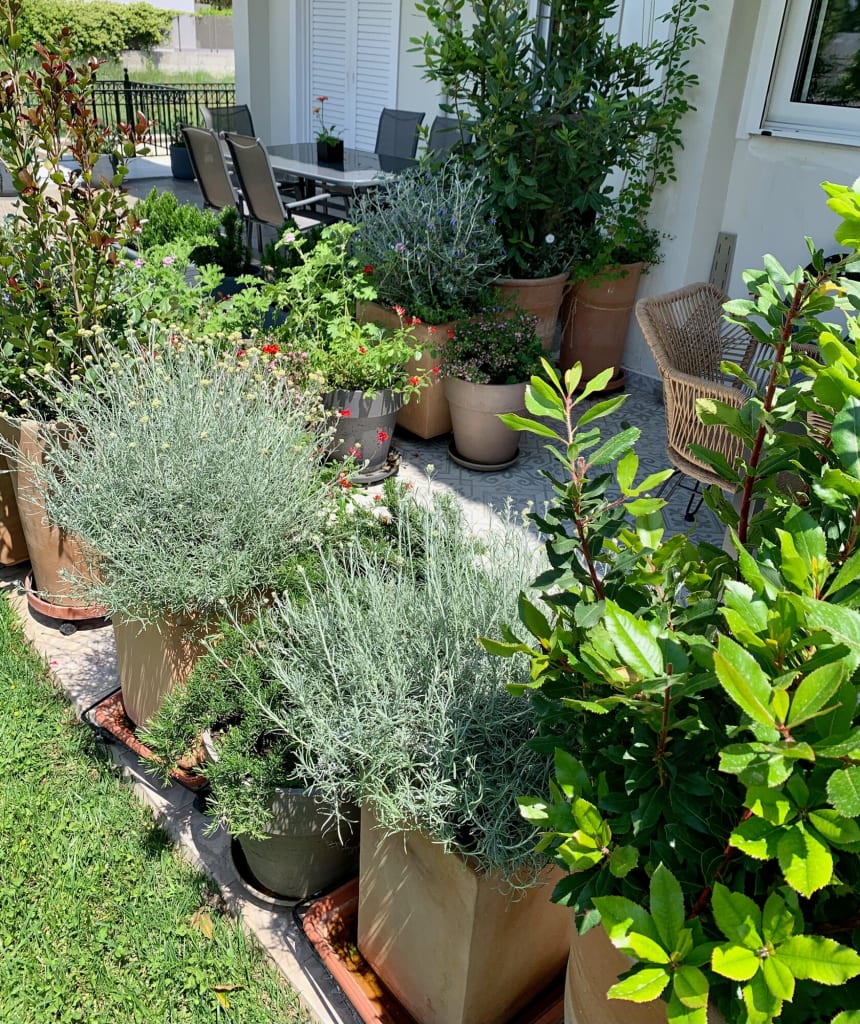
Container Garden for a Townhouse in Kifisia

Container Gardens
Container Relaxation Garden in Nea Erythraia

Container Gardens
Container Landscaping of a Shaded Terrace for a Hotel in Alimos

Container Gardens
Container Landscaping for an Outdoor Restaurant Terrace on the Waterfront in Aigio
The Ideal Garden
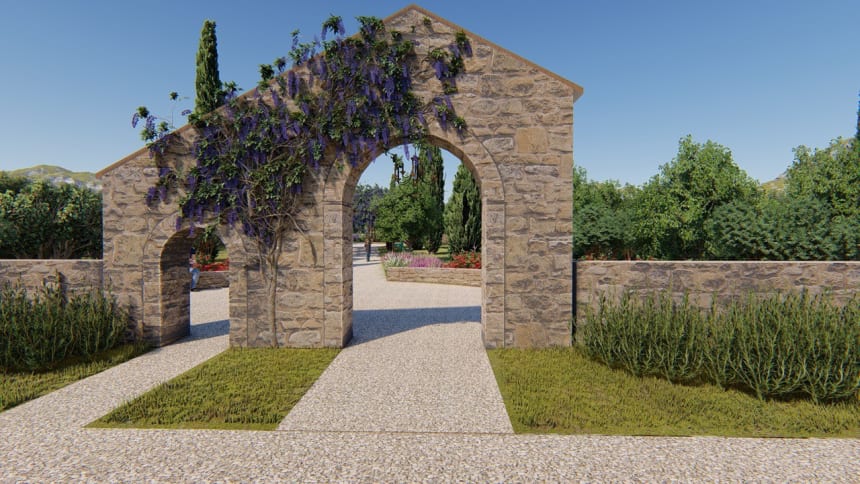
Eco-Park in the Citrus Grove of a Peloponnese Hotel
Garden Redesign
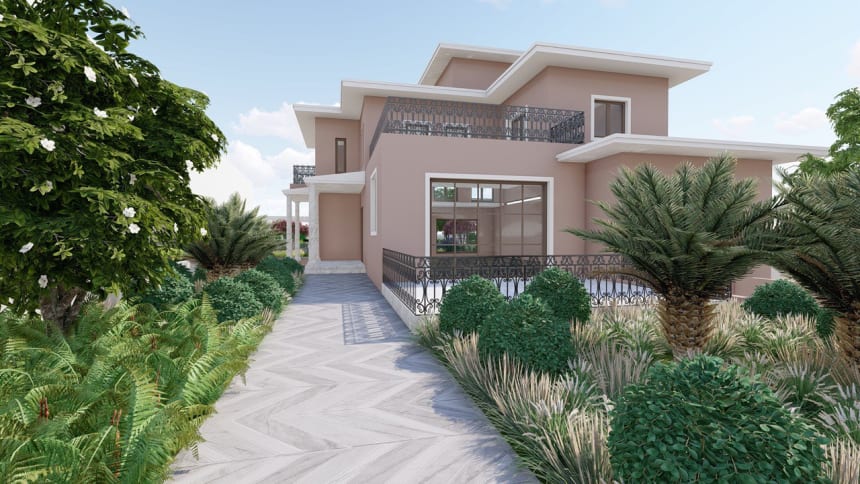
Family Garden in Glyfada

The Ideal Garden
Planting Design for a Private Boutique Hotel

Container Gardens


