Arbutus unedo
Strawberry Tree
Light
Full sun
Origin
Mediterranean Region and Western Europe
Watering
Drought tolerant
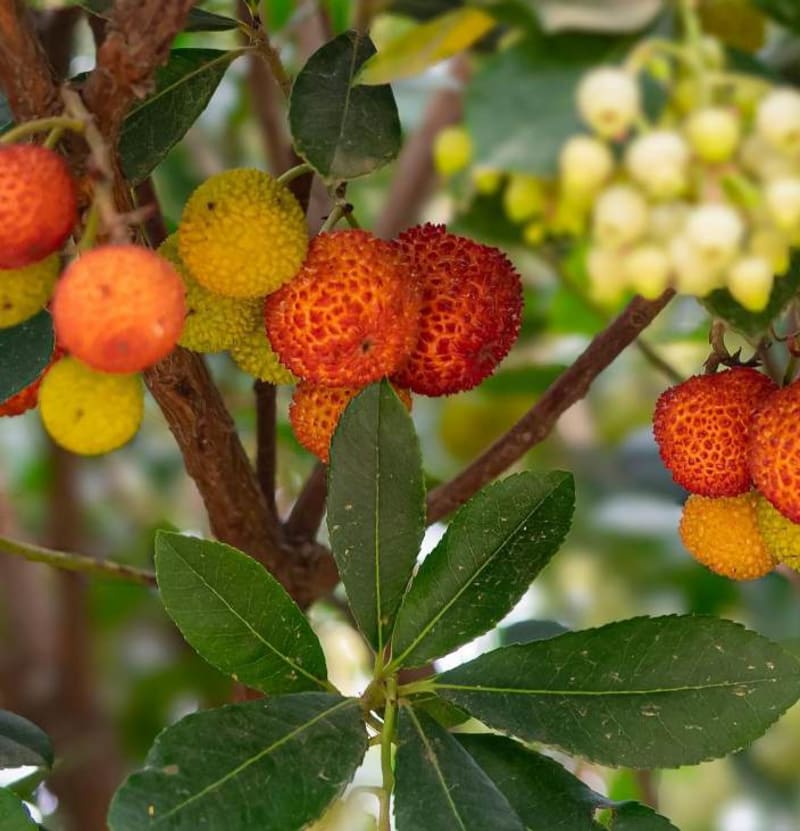
A multi-season evergreen with sculptural form, the strawberry tree produces delicate bell-shaped white flowers in autumn, often blooming alongside its striking fruits that resemble strawberries. Peeling reddish bark and dense foliage add further character.
In the Mediterranean climate Arbutus unedo flowers in autumn from October to December, exactly when last year's fruits ripen on the same tree — a rare and ornamental simultaneity that gives the plant its old name 'unedo'. The white urn-shaped flowers attract late-season pollinators; the red, slightly granular fruits are edible though bland fresh, and are traditionally used for jams, liqueurs and the Portuguese spirit medronho. Hardy to -10°C, the tree tolerates drought once established, coastal exposure and poor stony soils, and is naturally fire-resistant. Growth is slow but steady, with the trunk developing characteristic peeling cinnamon-red bark over decades.
At maturity Arbutus unedo reaches 3–8 m with a rounded multi-stemmed habit, making it ideal as a small specimen tree, a tall evergreen hedge component, or pruned high as a canopy over benches and terraces. Companion plant with other Mediterranean natives — Pistacia lentiscus, Cistus, Lavandula, Salvia rosmarinus, Phlomis fruticosa — for an authentic maquis composition. The dark glossy foliage works as a backdrop for silver-grey lavenders and santolinas; the red autumn fruits add seasonal colour just as the rest of the garden enters dormancy. Beautiful as a single specimen in a small courtyard, or as a screening row along a property boundary, especially when the cinnamon bark is displayed by removing lower branches.
Our Mediterranean projects
All Projects →
Garden Redesign
Rose Garden Reconstruction for a Monastery-Style Hotel, Peloponnese
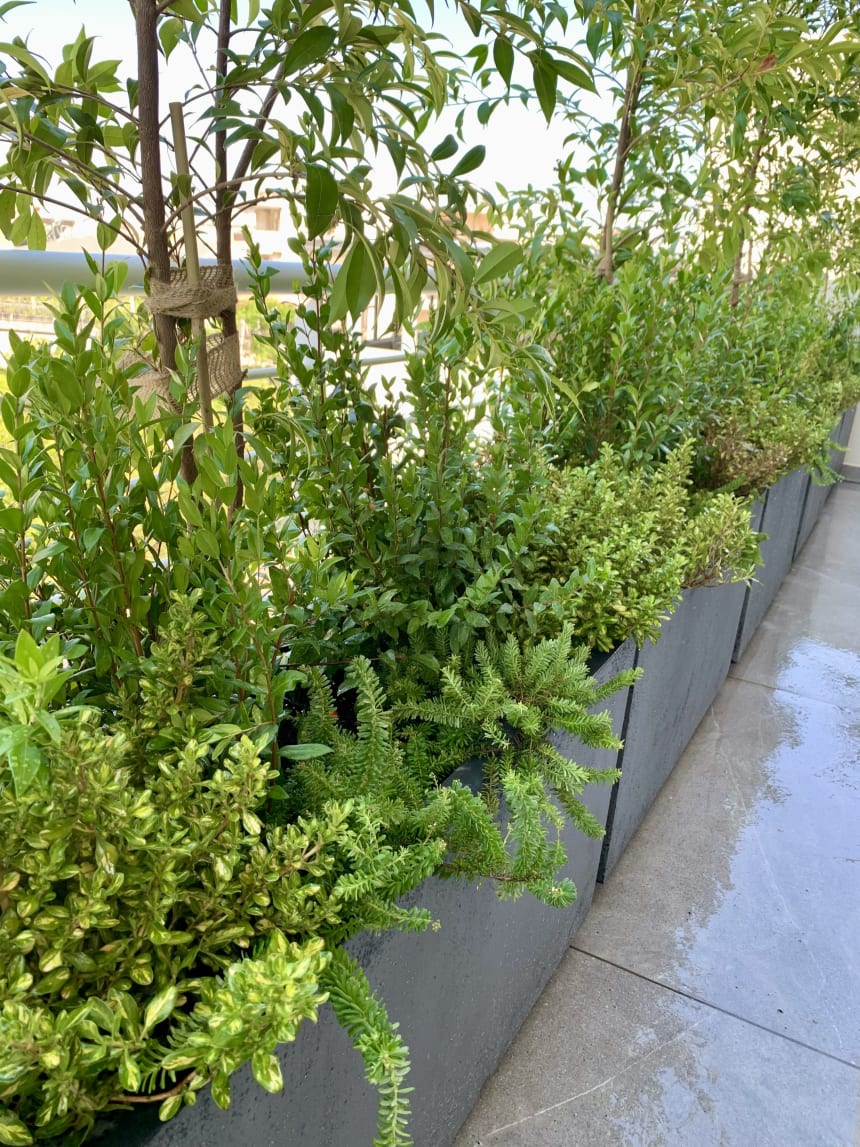
Container Gardens
Office Garden. Glyfada, Athens

The Ideal Garden
Part of a Four-Level Planting Design Project for a Townhouse in Kifisia
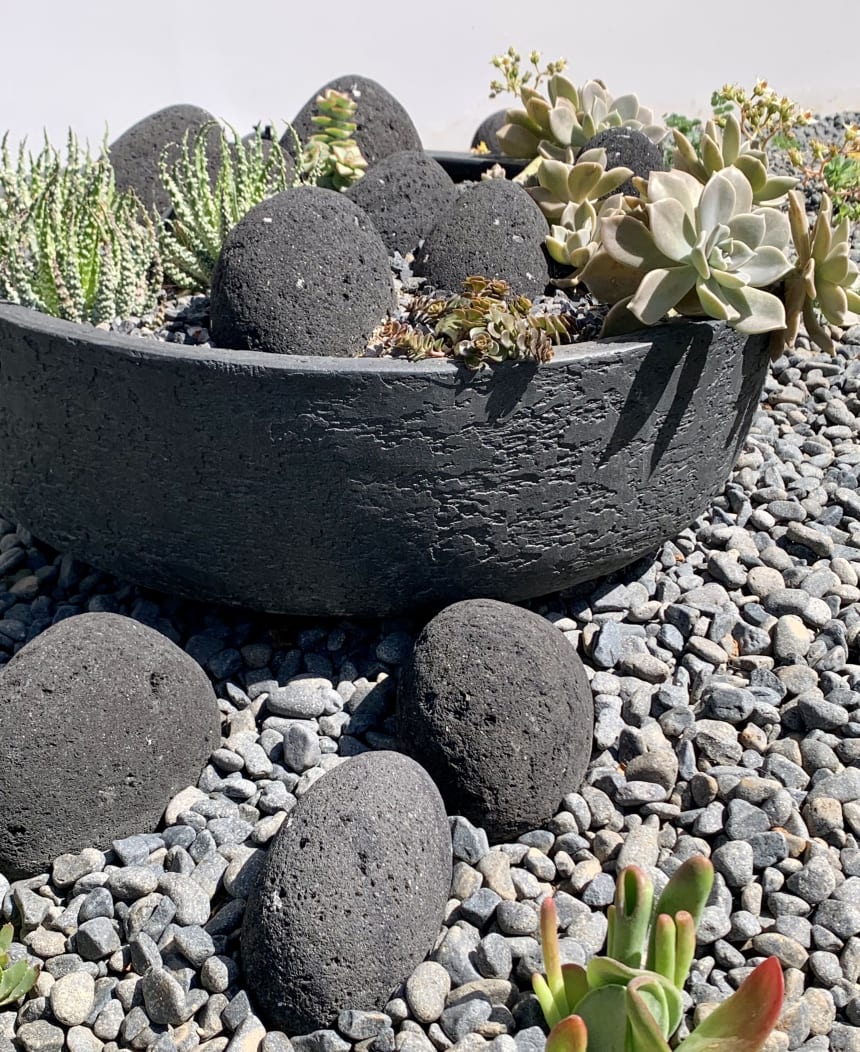
The Ideal Garden
Part of the "Family Garden in Glyfada" Project. The Stone Garden

Garden Redesign
A Small Garden Without Borders in Marousi, 1.5 Years Later
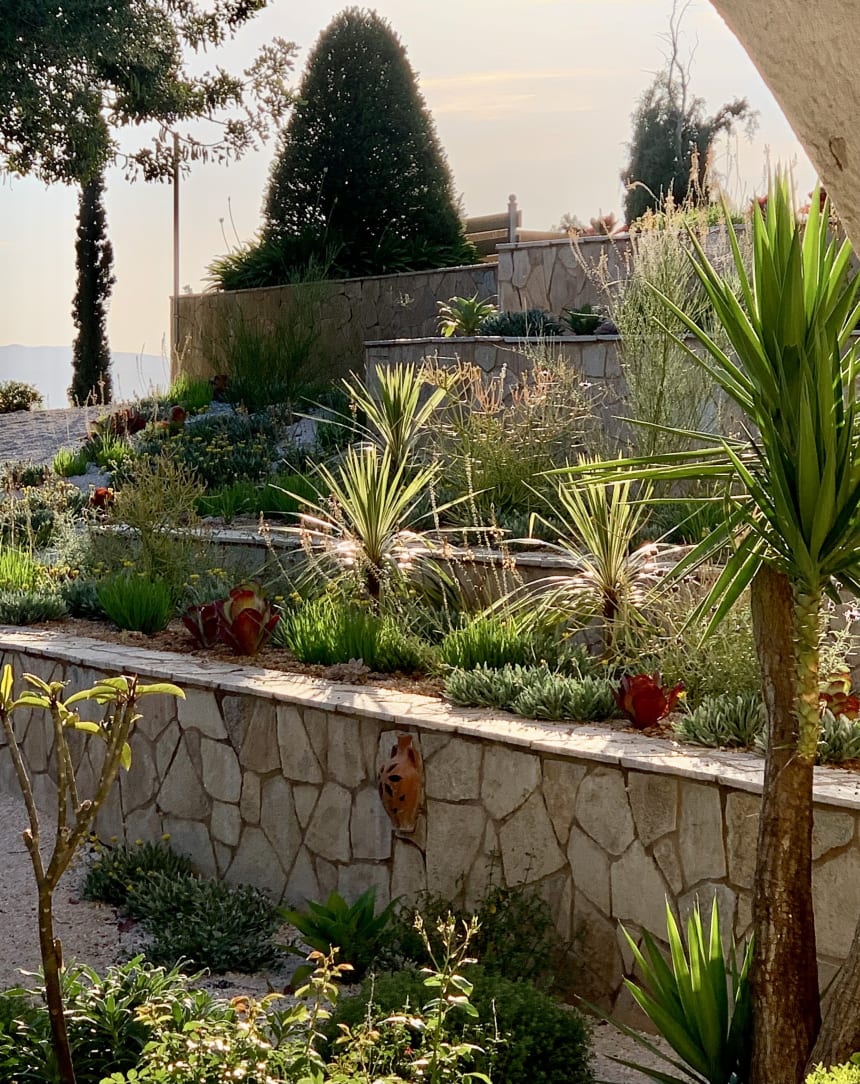
Garden Redesign
A Garden in an Olive Grove. Kalamata

Garden Redesign
Family garden in Glyfada. Project realization.
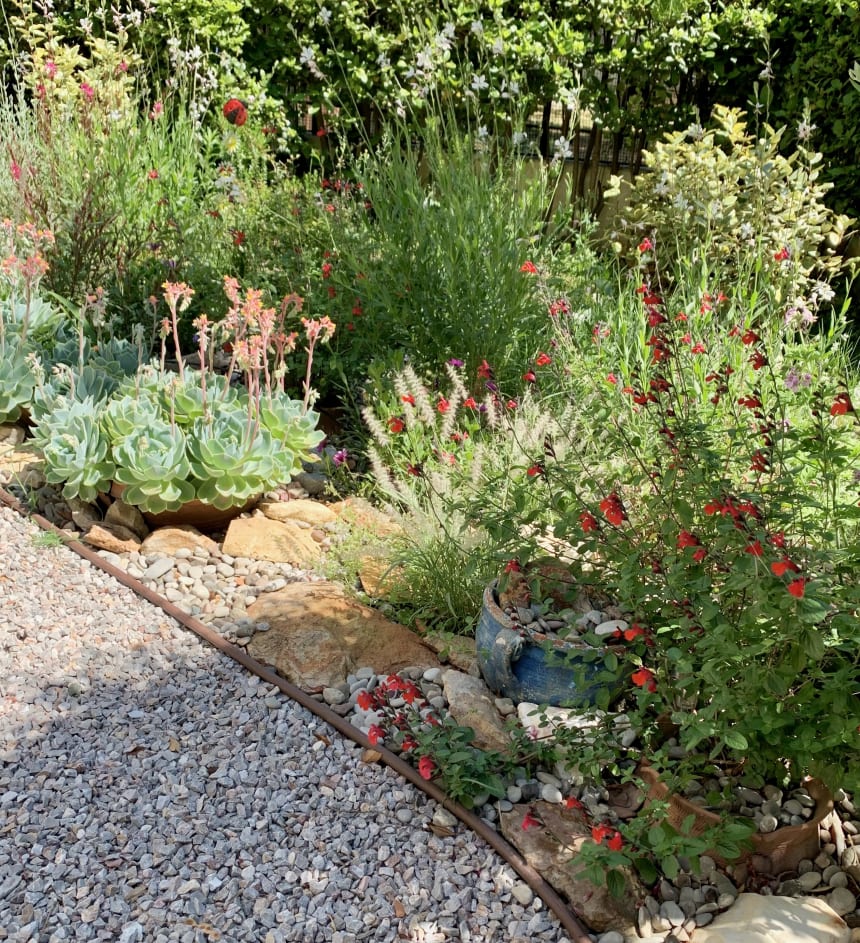
Garden Redesign
A Small Garden Without Borders in Marousi

Container Gardens
Part of a Four-Level Planting Design Project for a Townhouse, Kifisia

Container Gardens
Balcony in Kallithea
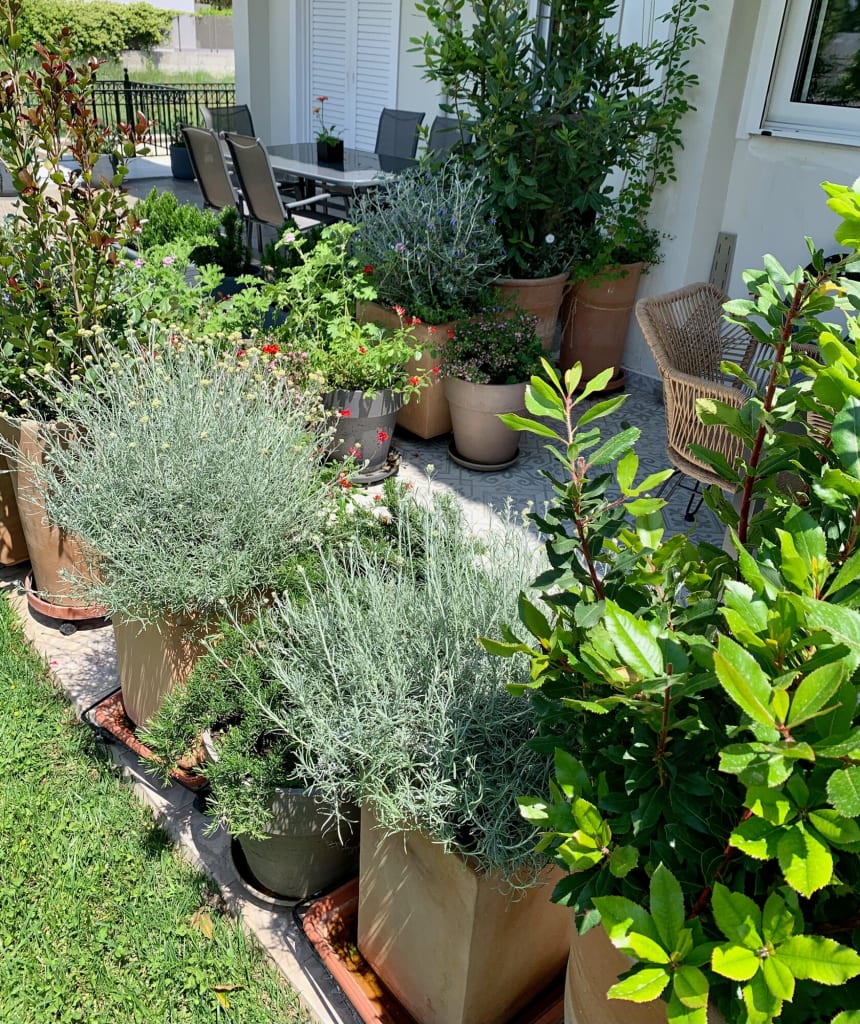
Container Gardens
Container Garden for a Townhouse in Kifisia

Container Gardens
Container Relaxation Garden in Nea Erythraia

Container Gardens
Container Landscaping of a Shaded Terrace for a Hotel in Alimos

Container Gardens
Container Landscaping for an Outdoor Restaurant Terrace on the Waterfront in Aigio
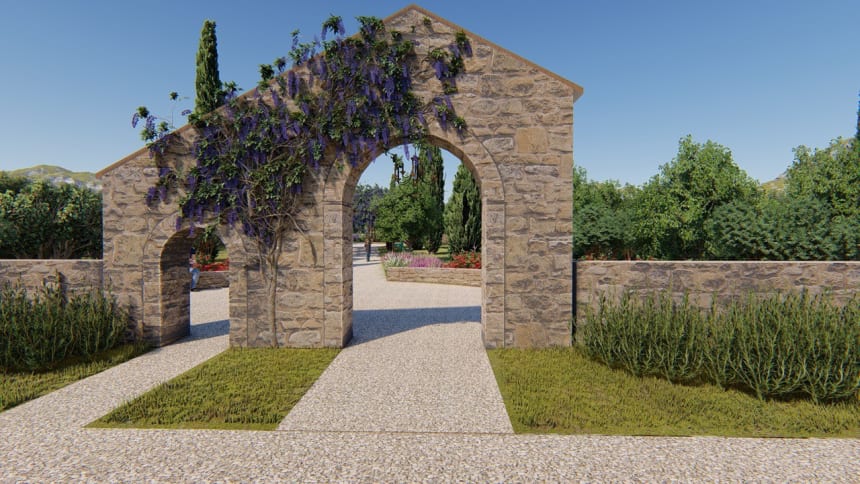
The Ideal Garden
Eco-Park in the Citrus Grove of a Peloponnese Hotel
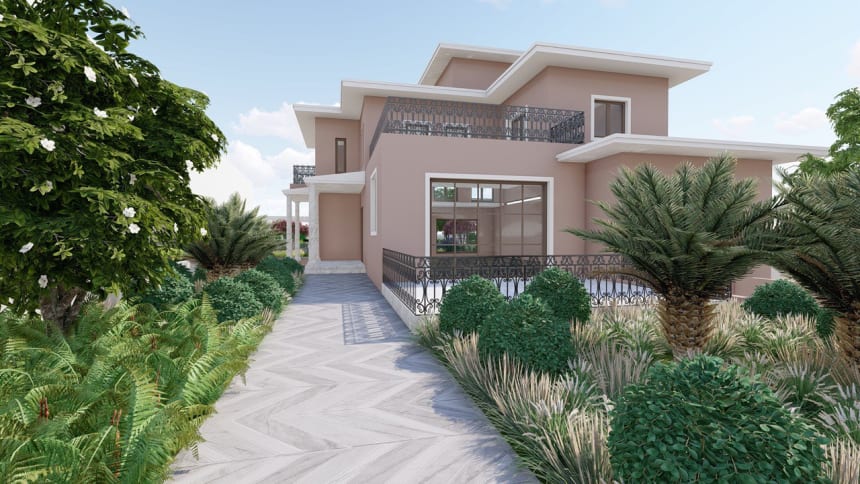
Garden Redesign
Family Garden in Glyfada

The Ideal Garden
Planting Design for a Private Boutique Hotel

Container Gardens


