Aloe barbadensis Miller
Aloe Vera
Size
40-60 x 30-60 cm
Light
Full sun to part shade
Origin
Mediterranean Region, Arabian Peninsula and Northern Africa
Watering
Drought tolerant
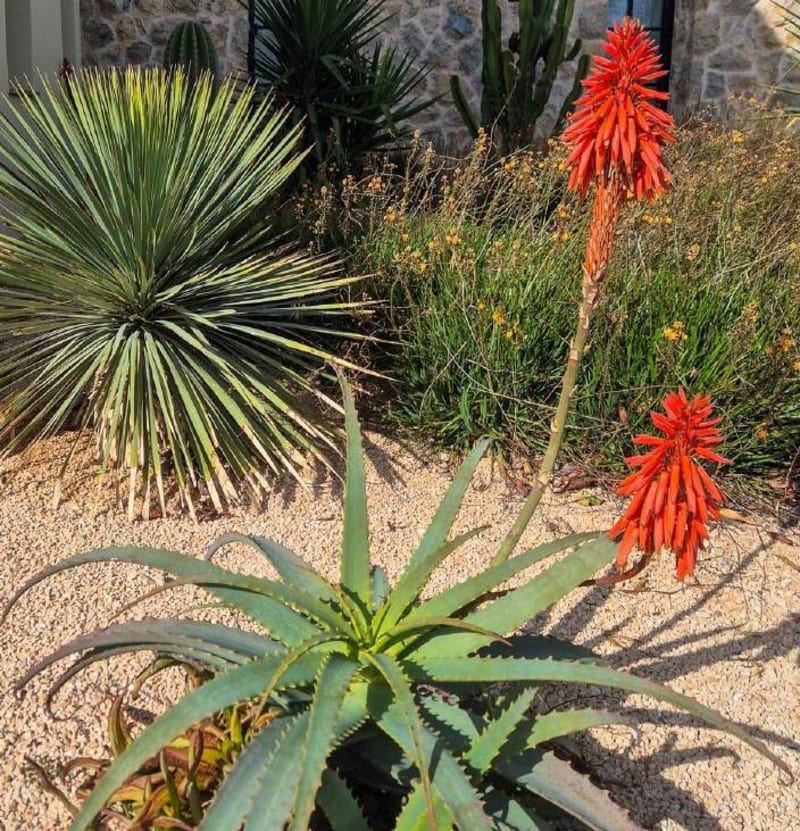
Aloe’s rosettes and springtime spires of orange-red flowers make it a garden asset, while the soothing gel in its leaves offers a natural remedy for sunburn, skin irritations and minor wounds.
Aloe vera flowers from late winter into spring in the Mediterranean, sending up branched racemes of tubular yellow-to-red flowers that attract bees and sunbirds on warm days. Active growth occurs in autumn, winter and spring; in the hottest weeks of summer growth slows and the plant relies on moisture stored in its leaves. It tolerates drought, poor soils, salt air and reflected heat from walls, but rots quickly in cold wet conditions and is damaged below -2°C. Plants in full sun develop firmer, more colourful leaves; partial shade is acceptable inland but reduces flowering.
Aloe vera forms clumps 60–90 cm tall and wide via offsets, gradually building into a substantial colony. Use it in gravel beds, slopes, dry stone walls, and especially in shallow terracotta bowls and dish gardens on terraces, where the offsets fill in over time. It pairs naturally with other Mediterranean succulents such as Aeonium, Echeveria, Agave, Sempervivum and trailing Delosperma, and its blue-green tone offsets the silver-grey foliage of Lavandula, Salvia rosmarinus and Westringia. Plant beside informal paths so the medicinal gel is easy to harvest, or mass on south-facing slopes where flower spikes provide vertical winter colour against the dormant Mediterranean palette.
Our Mediterranean projects
All Projects →
Garden Redesign
Rose Garden Reconstruction for a Monastery-Style Hotel, Peloponnese
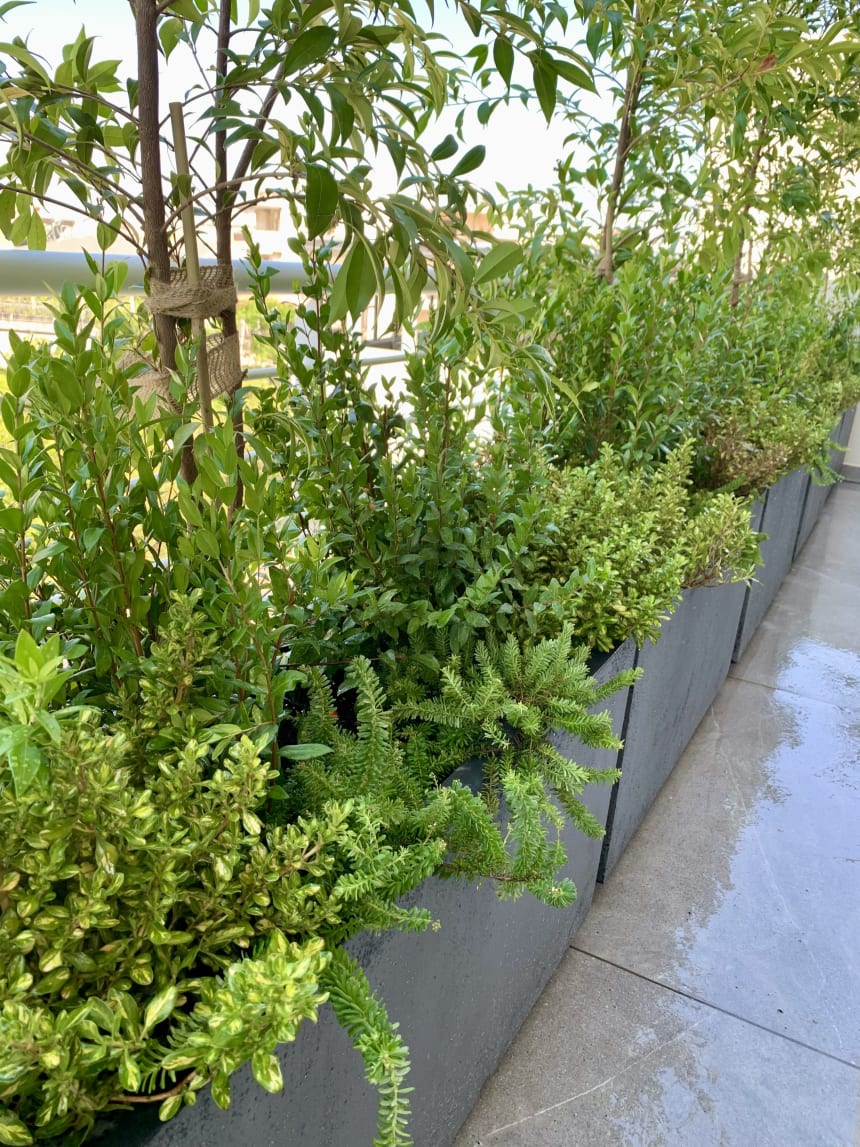
Container Gardens
Office Garden. Glyfada, Athens

The Ideal Garden
Part of a Four-Level Planting Design Project for a Townhouse in Kifisia
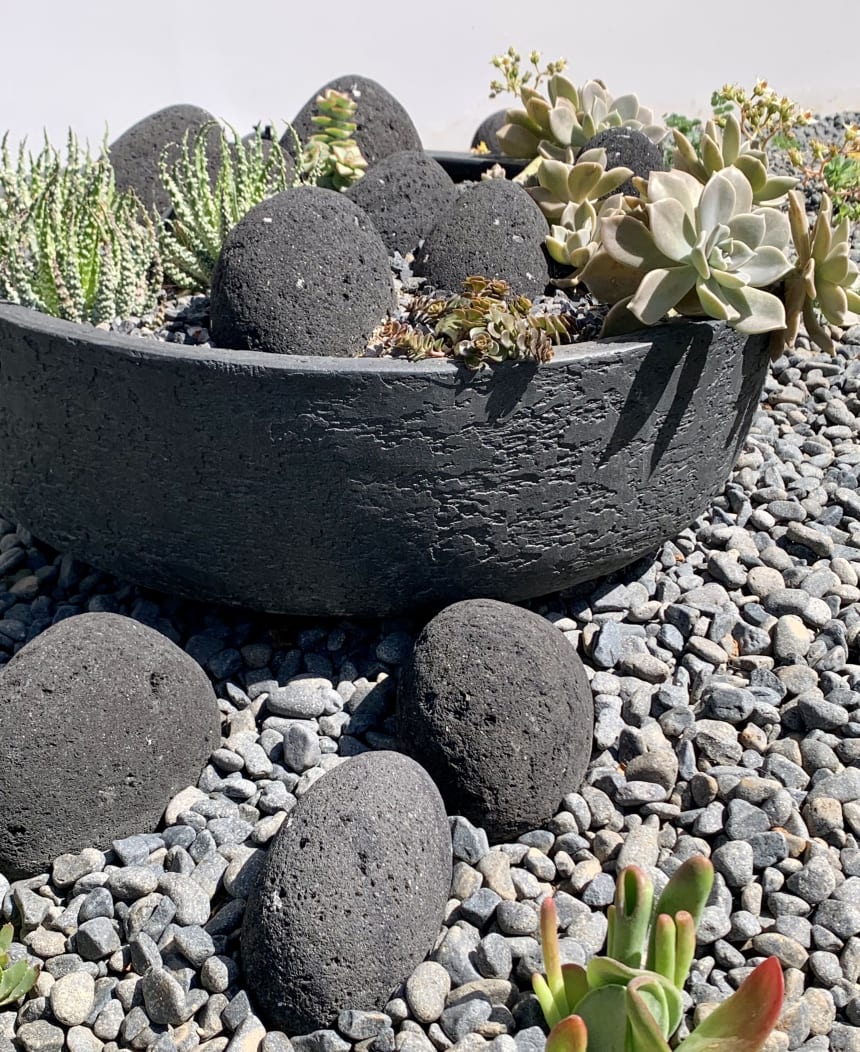
The Ideal Garden
Part of the "Family Garden in Glyfada" Project. The Stone Garden

Garden Redesign
A Small Garden Without Borders in Marousi, 1.5 Years Later
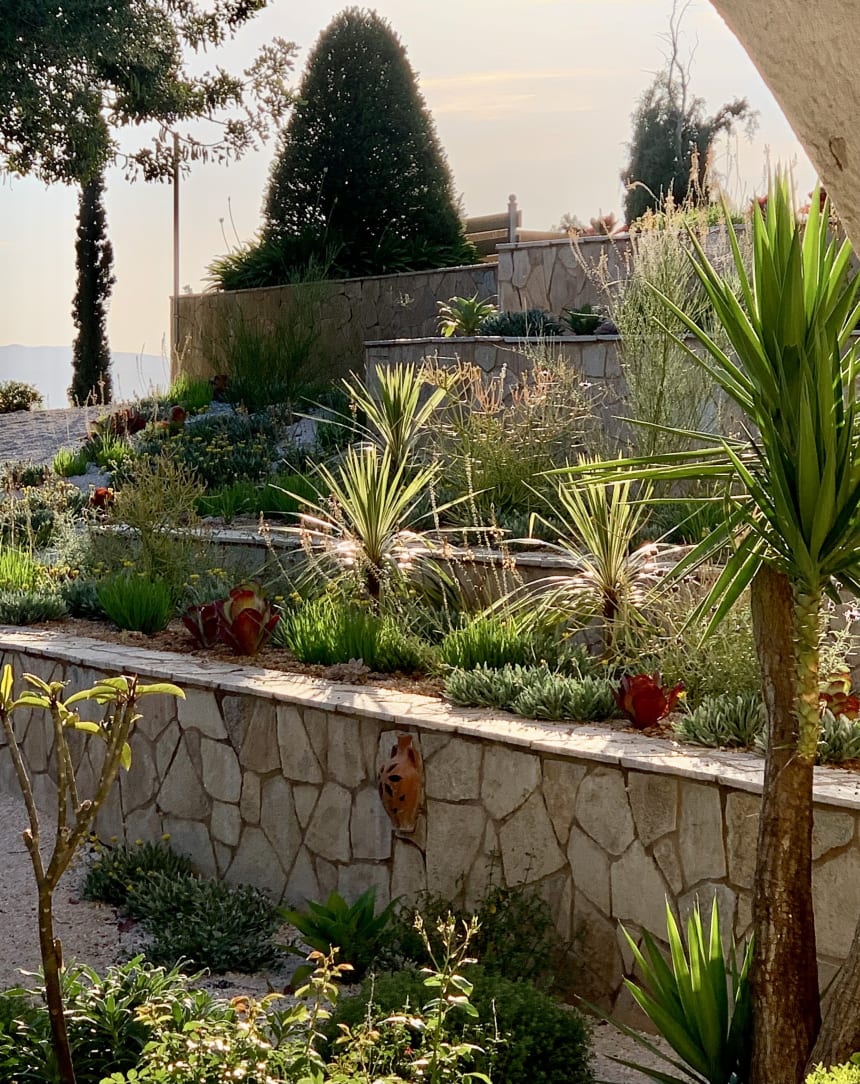
Garden Redesign
A Garden in an Olive Grove. Kalamata

Garden Redesign
Family garden in Glyfada. Project realization.
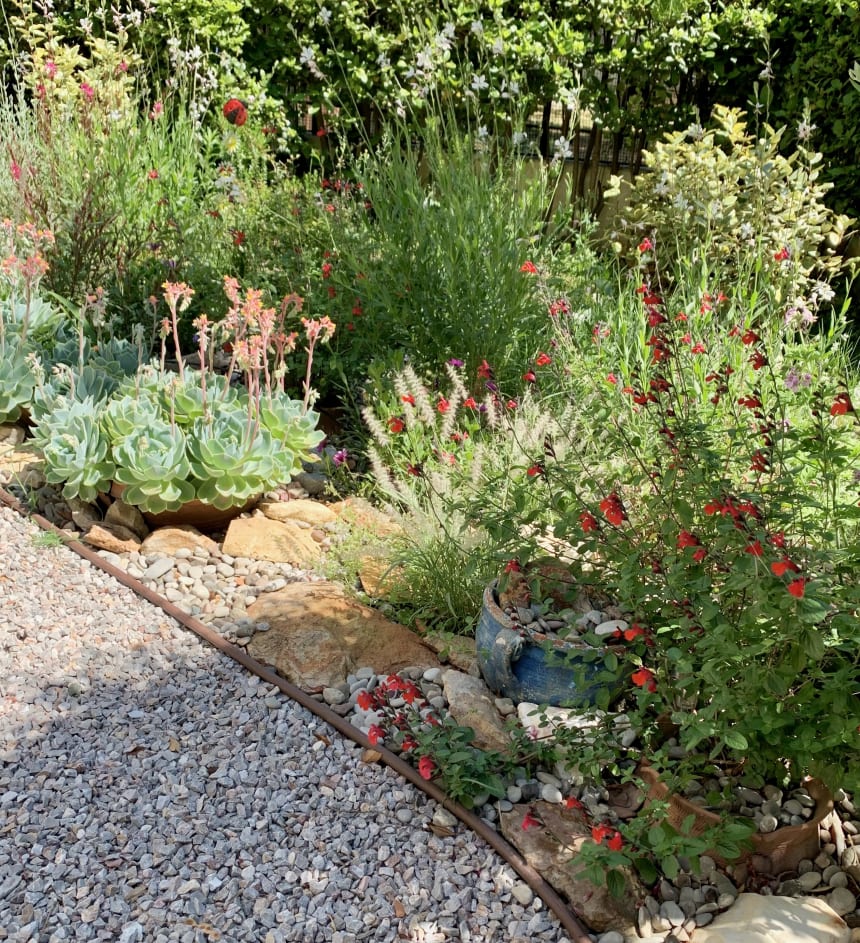
Garden Redesign
A Small Garden Without Borders in Marousi

Container Gardens
Part of a Four-Level Planting Design Project for a Townhouse, Kifisia

Container Gardens
Balcony in Kallithea
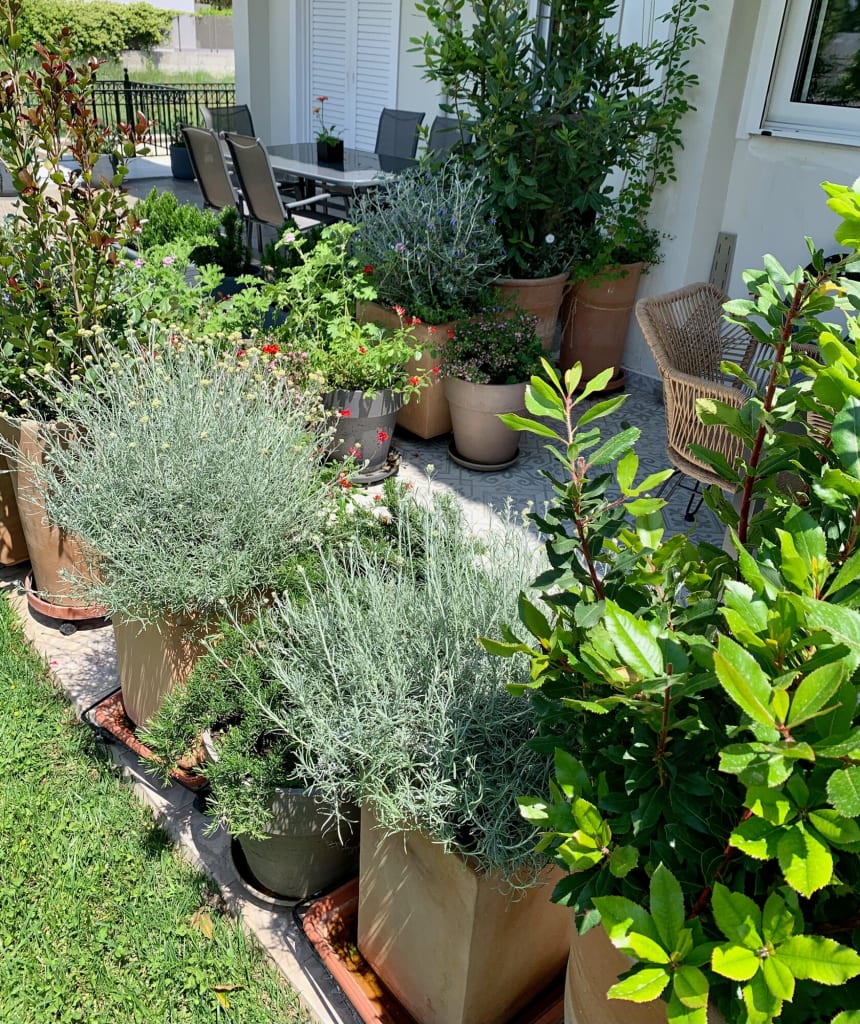
Container Gardens
Container Garden for a Townhouse in Kifisia

Container Gardens
Container Relaxation Garden in Nea Erythraia

Container Gardens
Container Landscaping of a Shaded Terrace for a Hotel in Alimos

Container Gardens
Container Landscaping for an Outdoor Restaurant Terrace on the Waterfront in Aigio
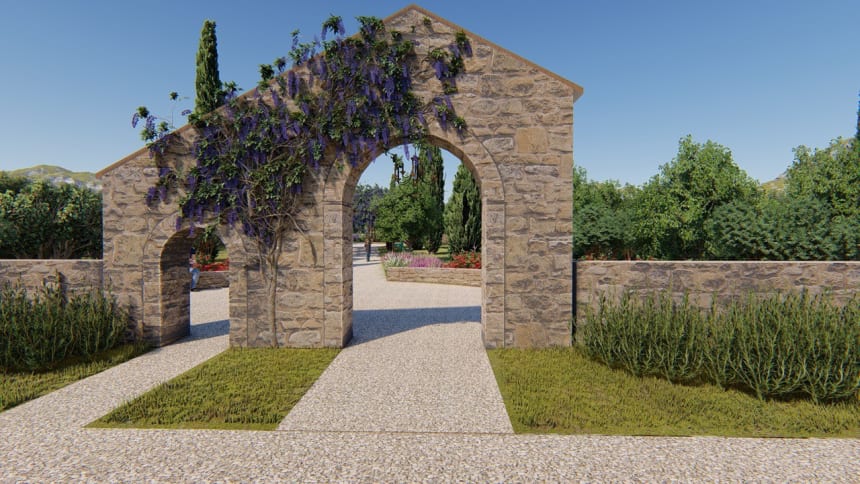
The Ideal Garden
Eco-Park in the Citrus Grove of a Peloponnese Hotel
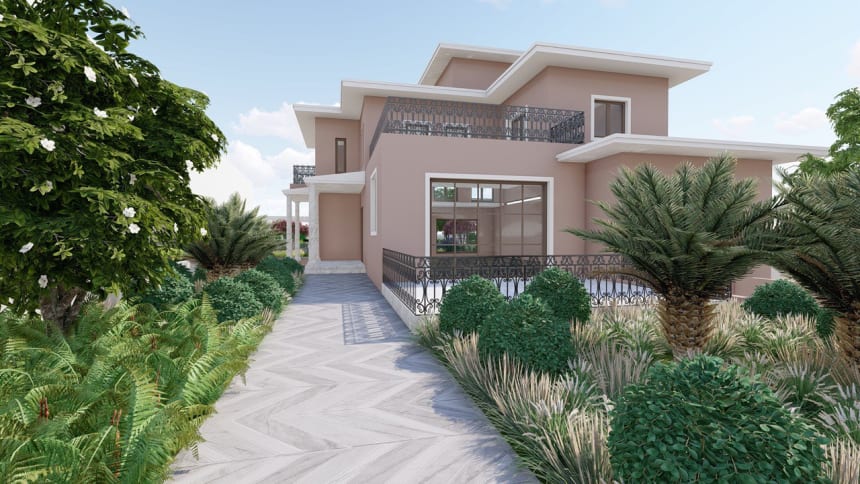
Garden Redesign
Family Garden in Glyfada

The Ideal Garden
Planting Design for a Private Boutique Hotel

Container Gardens


