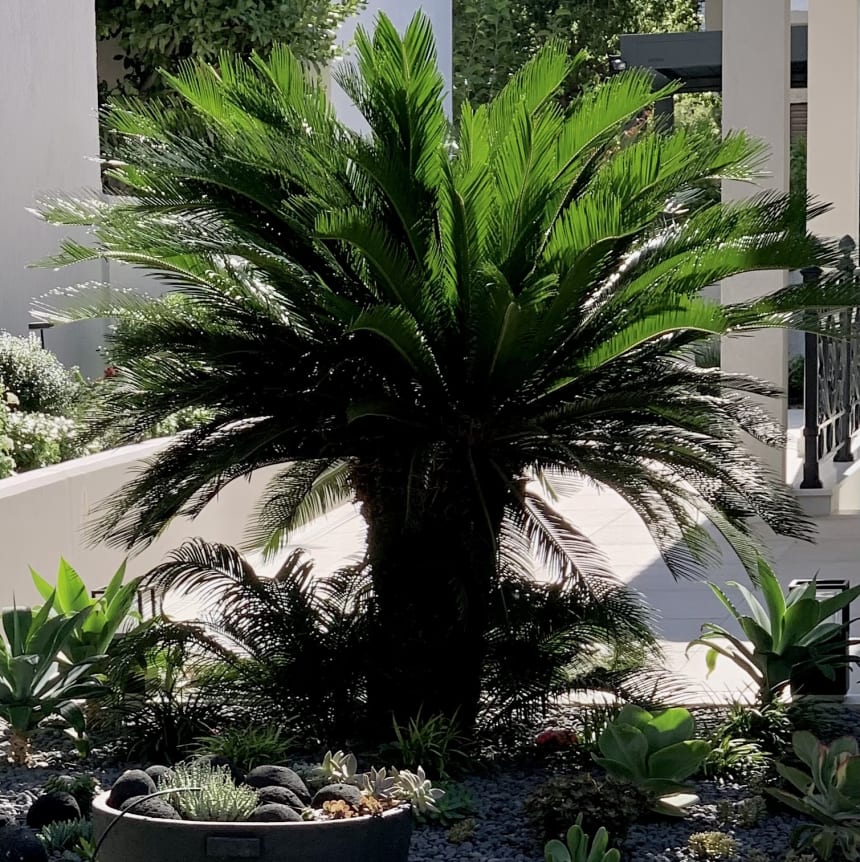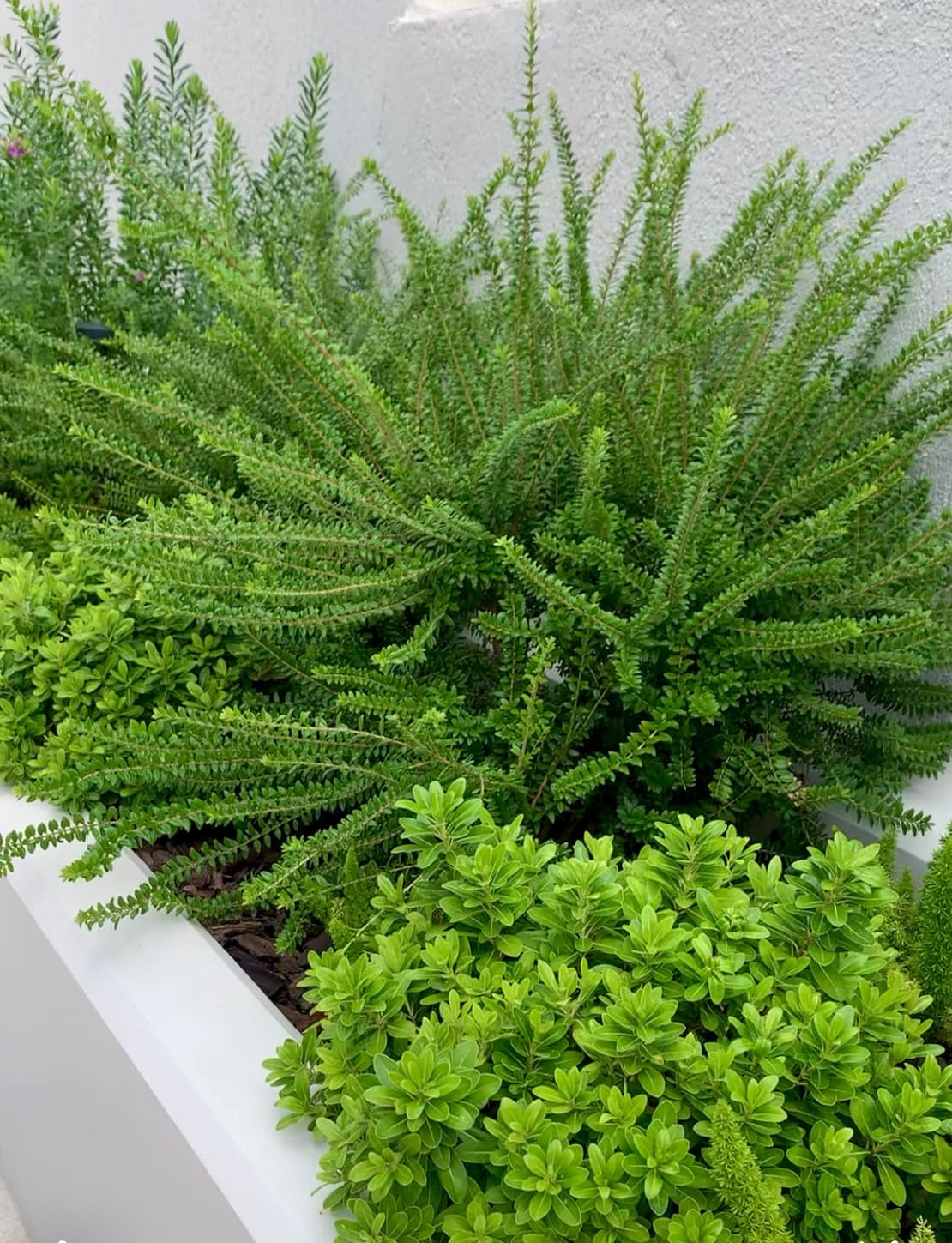
Choose plants that are found in nature in places comparable to your garden, and you will be guaranteed success in their thriving.
Virtually any challenge in the garden can be resolved using only shrubs. They provide structure, color, texture, and visual interest in every season.
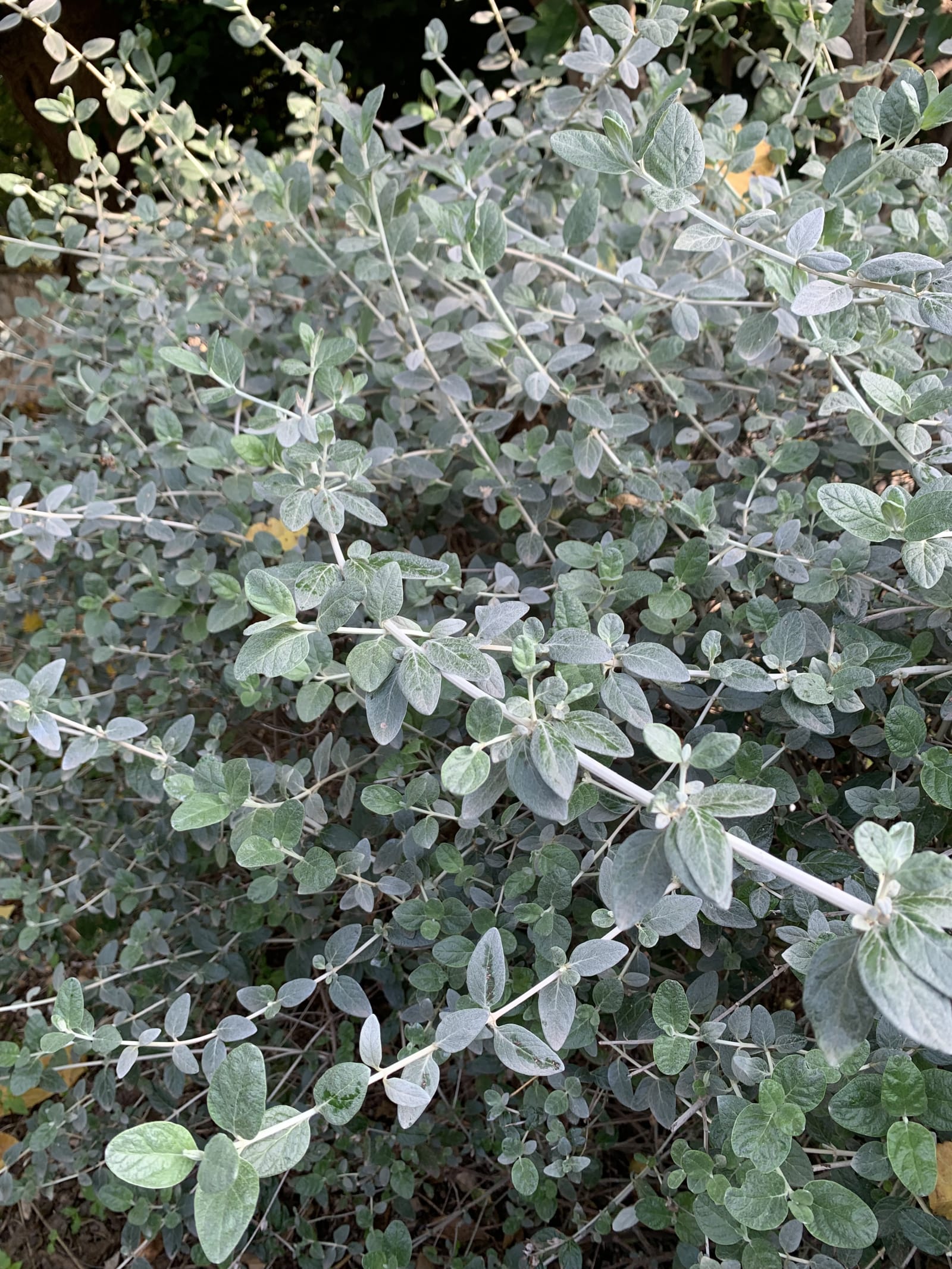
In a Mediterranean climate, shrubs are the finest solutions for the garden. A vast array of species, both native and from various corners of the world, are resilient, long-lived, and undemanding under conditions of heat and poor soils.
It is crucial to select the right plant from the outset. The diversity of shrubs both complicates and simplifies this task.
To ensure that life in the garden does not turn into an endless struggle for the desired dimensions, it is essential to proceed from the ultimate height and spread attainable for a given species. A shrub's height can range from 20 cm to 6–8 m.
(Some species are best allowed to become small trees in the future, planning for this at the garden design stage; or, when renovating mature gardens, rather than felling them, one can shape a beautiful structure and plan new plantings on the exposed ground.)
For example, Japanese pittosporum, Japanese privet, Japanese spindle, dodonaea, laurustinus, and glossy viburnum can become small trees.
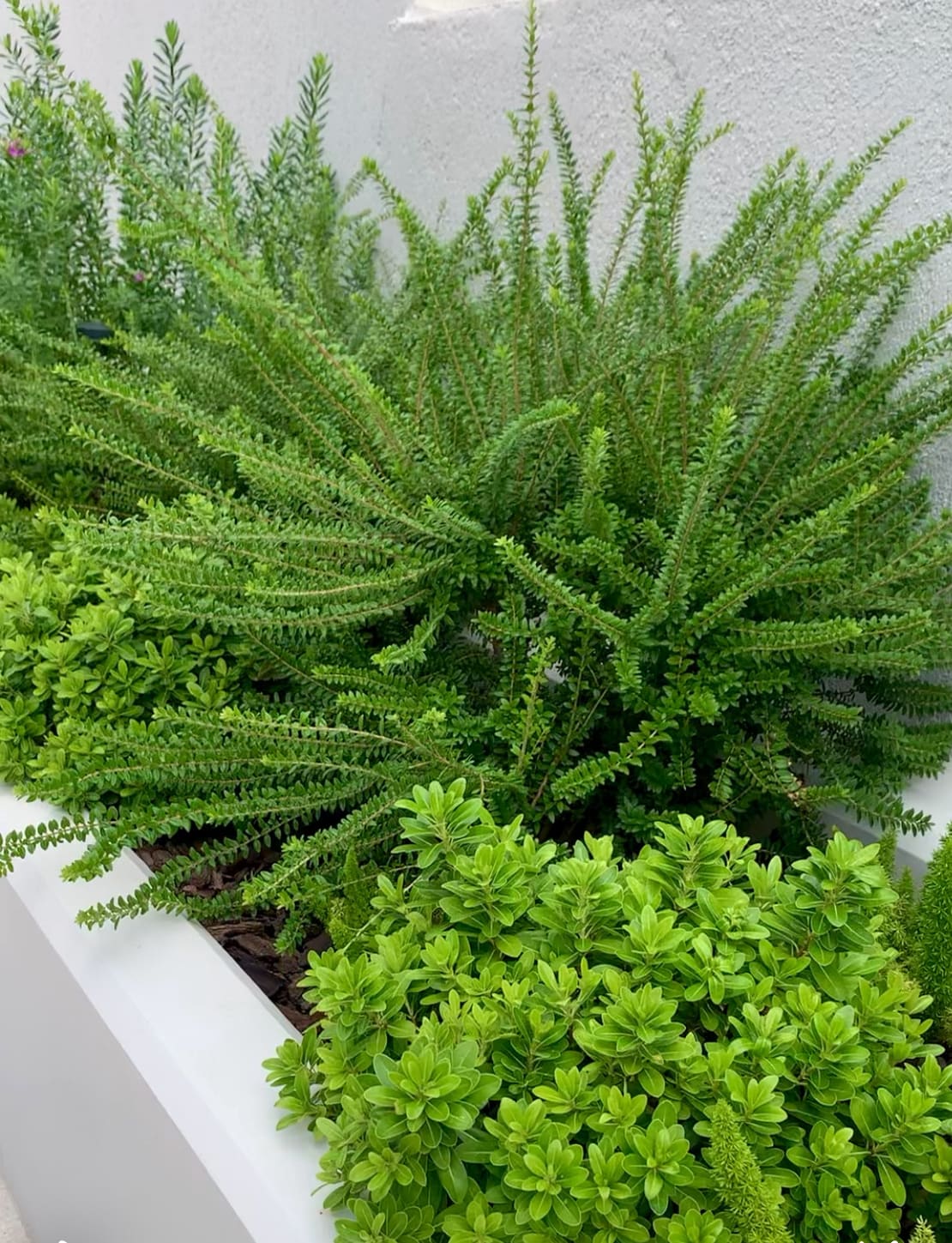
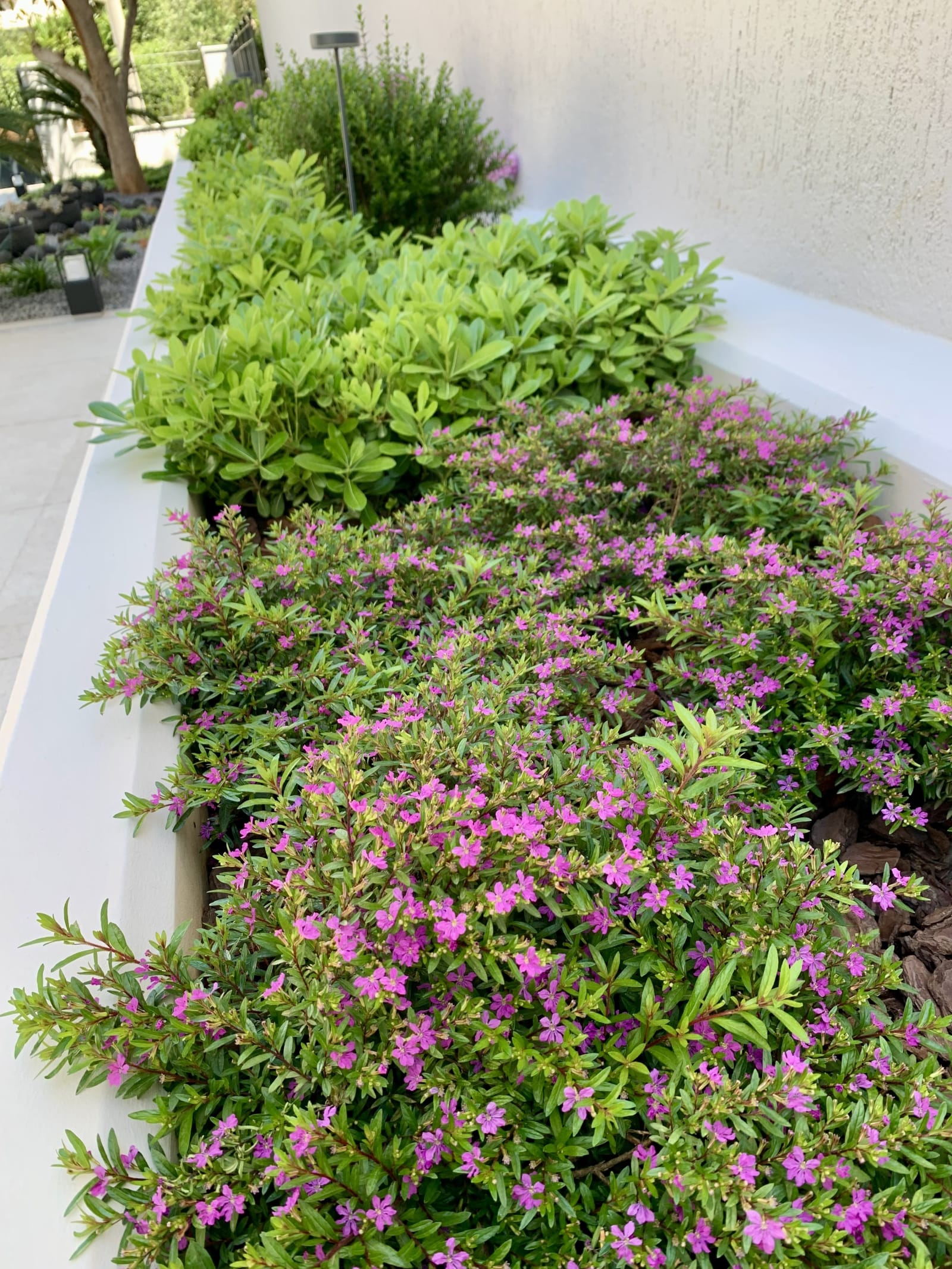
There is a fairly wide selection of low-growing and compact options: for instance, abelia, dwarf Japanese pittosporum, rockroses, shrubby veronica, dwarf myrtle, and rhaphiolepis. A truly tiny shrub is false heather. Selecting a plant of the appropriate size saves maintenance effort in the future.
Plant growth habit is yet another opportunity for endless design possibilities.

Yana Danyuk
Principal Designer
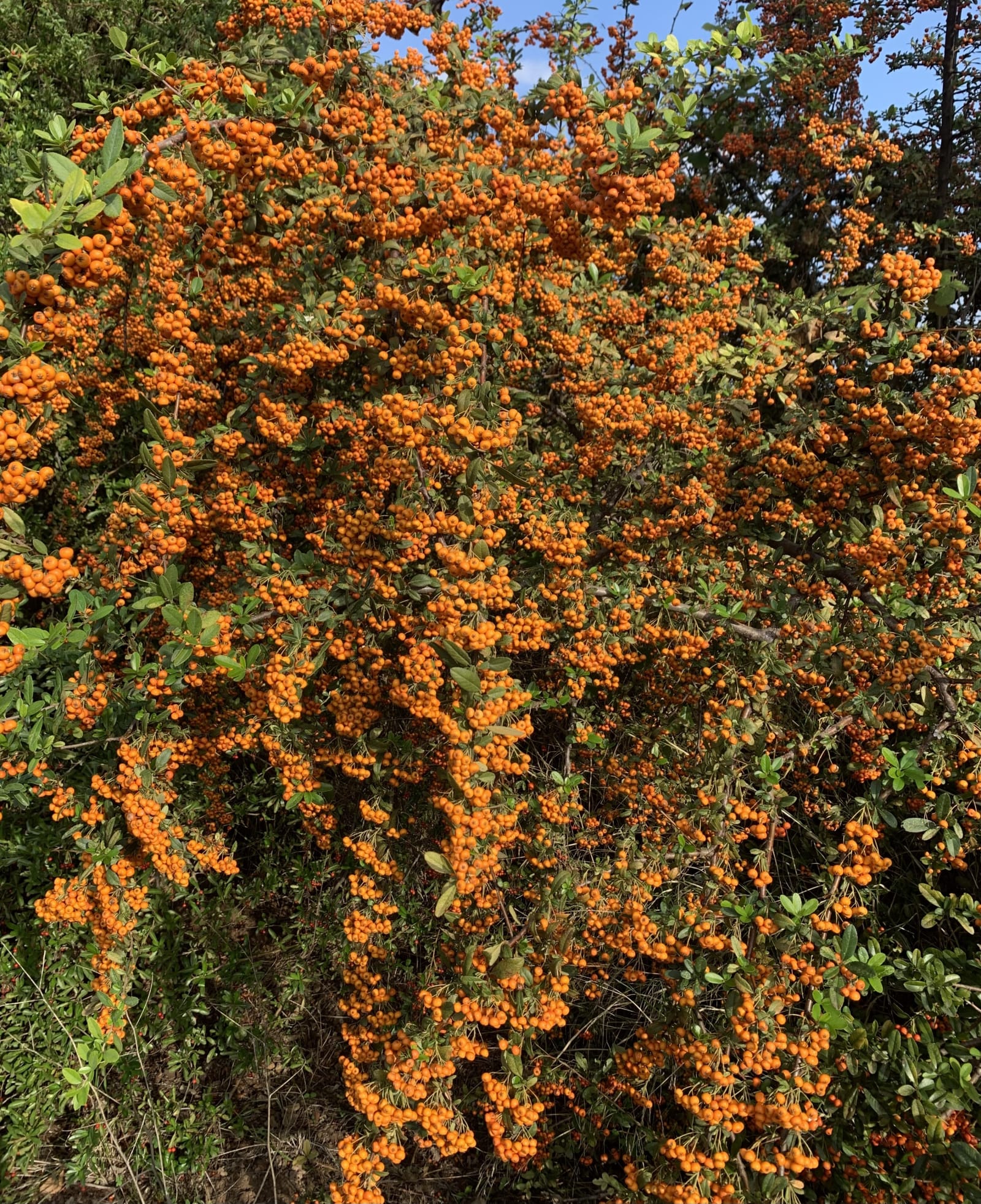
Whether it is nandina with its upright, bamboo-like stems, rock cotoneaster spreading laterally and cascading over walls, or pyracantha with tall, finely branched stems arching like a fountain under the weight of its fruit. Visual effects are numerous, and one could list them endlessly.
And, of course, ornamental fruits, flowers, stems, and foliage.
The role of shrubs in modern landscape architecture lies in constructing shrub-based garden biotopes, using large drifts of a single species, combining shrubs with ornamental grasses, integrating trees and shrubs, and fostering biodiversity in the garden.
Yana Danyuk
Principal Designer

Yana Danyuk
Principal Designer of Gardeniana. She creates designer gardens in Athens and throughout Greece.